

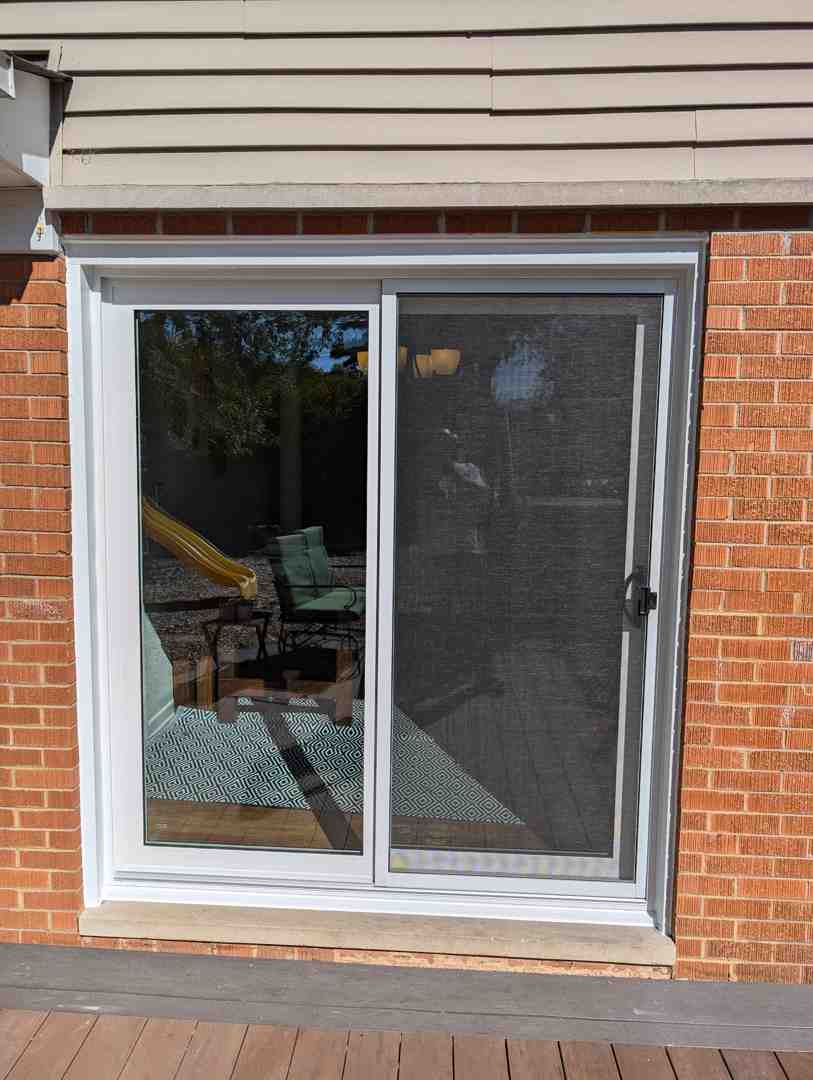
Roll With It: A Step-by-Step Guide to Changing Sliding Glass Door Rollers
Replace Worn Sliding Door Rollers for a Smooth Glide
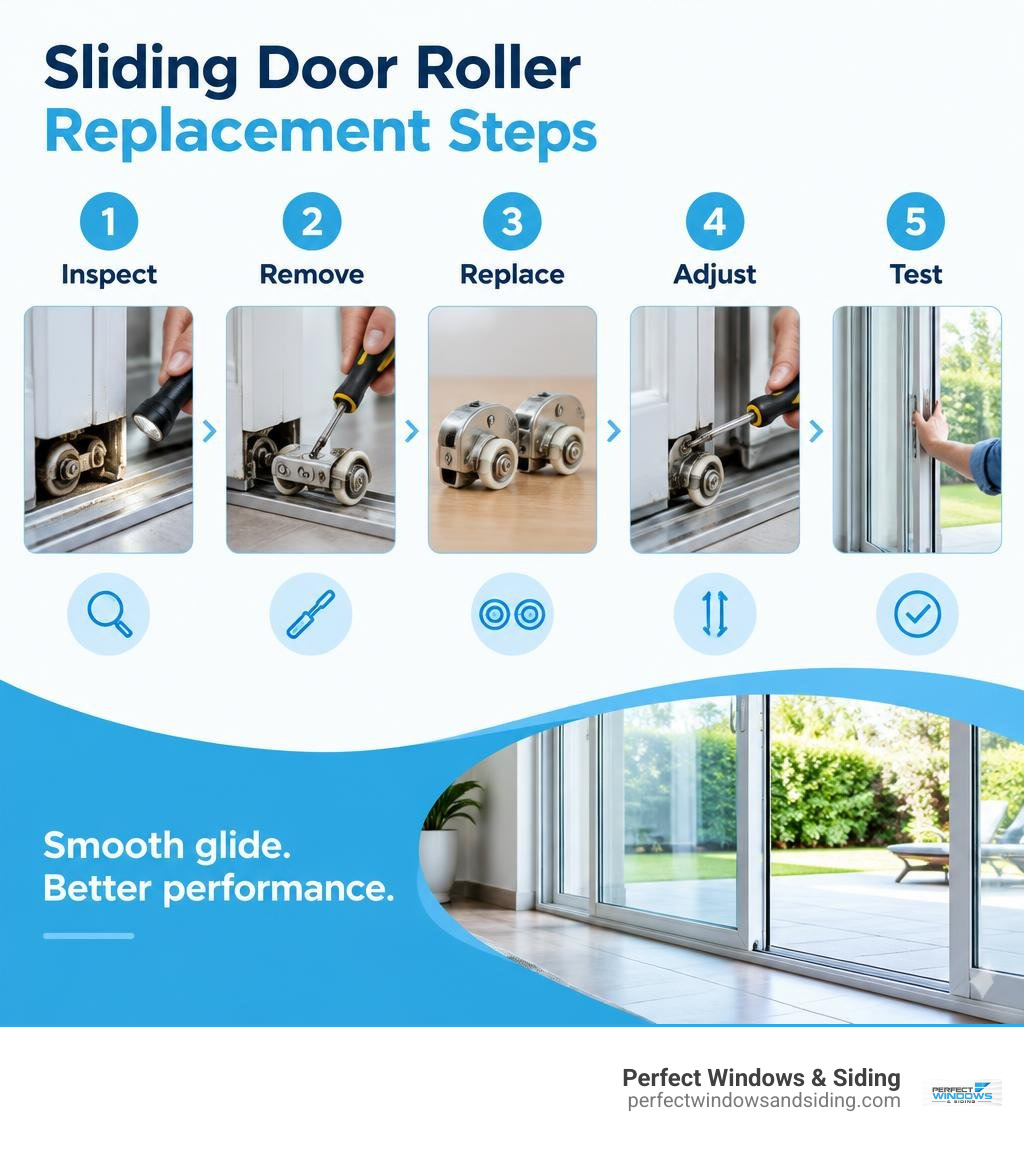
Changing sliding door rollers usually means removing the moving door panel, taking out the worn roller assemblies at the bottom, installing exact-match replacements, then adjusting both sides until the door rolls smoothly and locks correctly. First, vacuum the track and try the height-adjustment screws. If the wheels are seized, flattened, grinding, or the door still drags after adjustment, replace both rollers as a pair.
A standard patio panel can weigh 80 to 150 pounds, so use a helper, protect the floor with moving blankets, and avoid DIY removal for very heavy impact-glass panels. Matching the roller housing, wheel diameter, and screw-hole placement matters as much as the wheel itself. The wrong part can cause dragging, uneven gaps, and a latch that will not line up.
For many Chicago-area homeowners, a roller replacement is a practical alternative to replacing the full patio door. Clean tracks and properly aligned rollers also help reduce wear on the frame and weather seals.
I am Voytek Glab, owner of Perfect Windows & Siding, with more than 20 years of hands-on carpentry and exterior remodeling experience across the Chicago suburbs. I have helped homeowners understand when changing sliding door rollers is a sensible repair and when a door, track, or frame needs a closer look.
Easy changing sliding door rollers glossary:
- glass door roller replacement
- aluminium sliding door lock replacement
- install weather stripping sliding glass door
Signs Your Sliding Door Rollers Need Replacement
A patio door that once glided with the push of a single finger shouldn’t require a full-body shoulder check just to let the dog out. When sliding door rollers reach the end of their operational lifespan, the symptoms usually start small before escalating into severe operation issues.
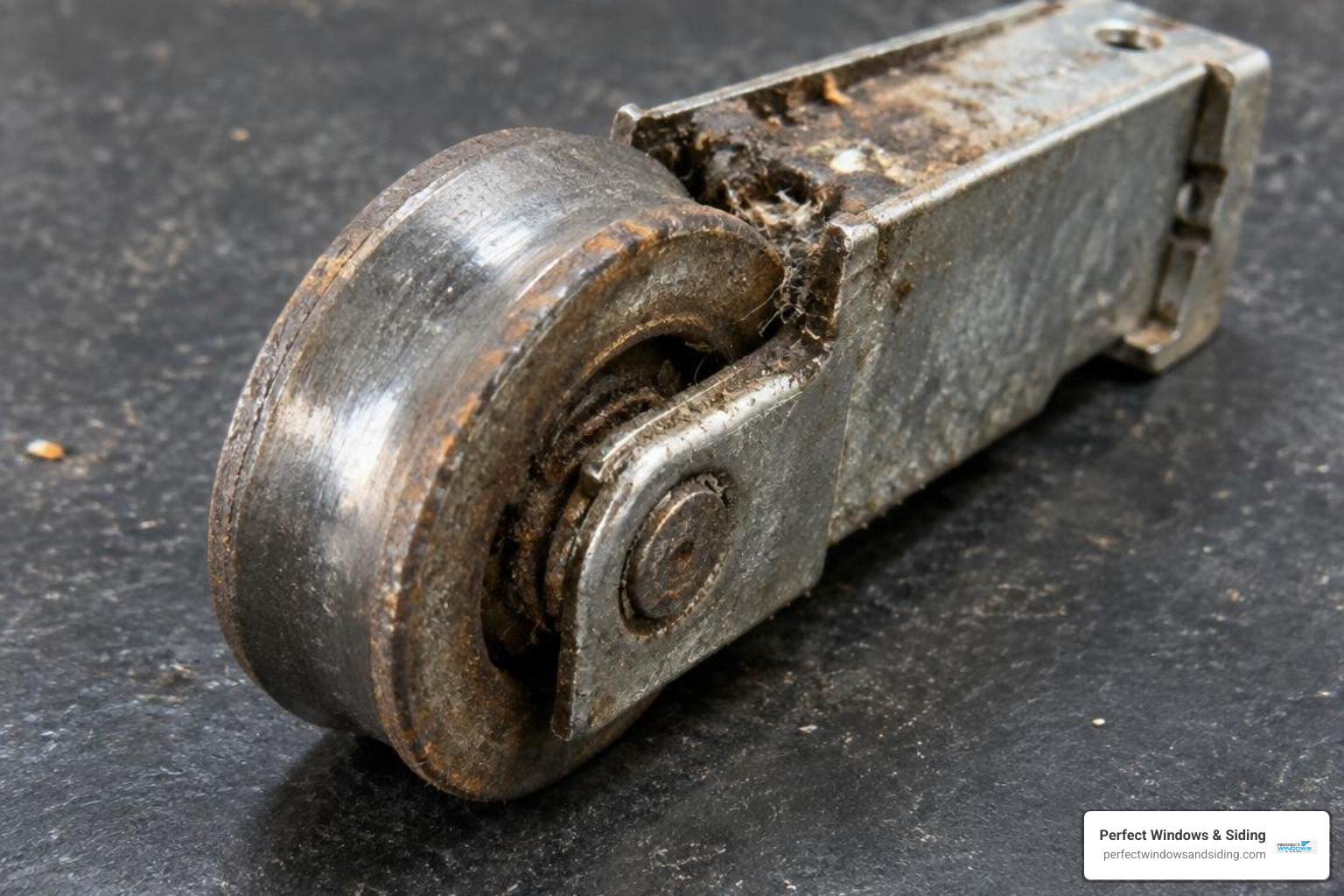
The most common indicator is a persistent grinding, scraping, or rattling sound every time the panel moves. This noise signals that the internal ball bearings have failed, disintegrated, or seized entirely. When bearings fail, the wheel stops spinning freely on its axle. Instead of rolling, the wheel drags along the metal threshold, flattening its round profile and creating heavy friction against the track.
Over time, this friction leads to:
- Uneven door operation that feels bumpy or jerky.
- A sagging door panel that rubs against the top or bottom frame.
- Latch misalignment where the locking mechanism no longer catches the strike plate.
- Increased physical effort required to operate the door.
When rollers collapse, the entire weight of the heavy glass panel rests directly on the bottom rail extrusion. This metal-on-metal contact quickly damages the underlying track. Addressing worn rollers early protects the rest of the door assembly. For Andersen units experiencing severe rail friction, learning about replacing your Andersen sliding patio door track can help restore smooth movement.
Diagnosing Roller Failure vs. Track Damage
Before taking the door apart, determine whether the problem lies within the roller assemblies or the track itself. Misaligned doors cause 70% of roller failures regardless of hardware material, but physical track damage can mimic roller failure.
Inspect the lower rail for deep gouges, dents, or metal shavings. If an aluminum rail is pinched or crushed downward from years of foot traffic, the roller cannot travel freely regardless of wheel condition. You can watch this helpful video walkthrough on sliding door roller hardware to see how healthy rollers interact with an undamaged track profile.
If the track rail is straight, smooth, and free of physical deformities, but the door sags to one side or thumps rhythmically as it slides, the internal roller springs or wheels have likely collapsed.
Air Leaks and Energy Efficiency Impacts
A malfunctioning roller assembly doesn’t just make the door hard to operate; it compromises the thermal envelope of your home. When rollers wear down unevenly, the panel drops out of square within the master frame. This creates noticeable perimeter gaps where the sash meets the jamb.
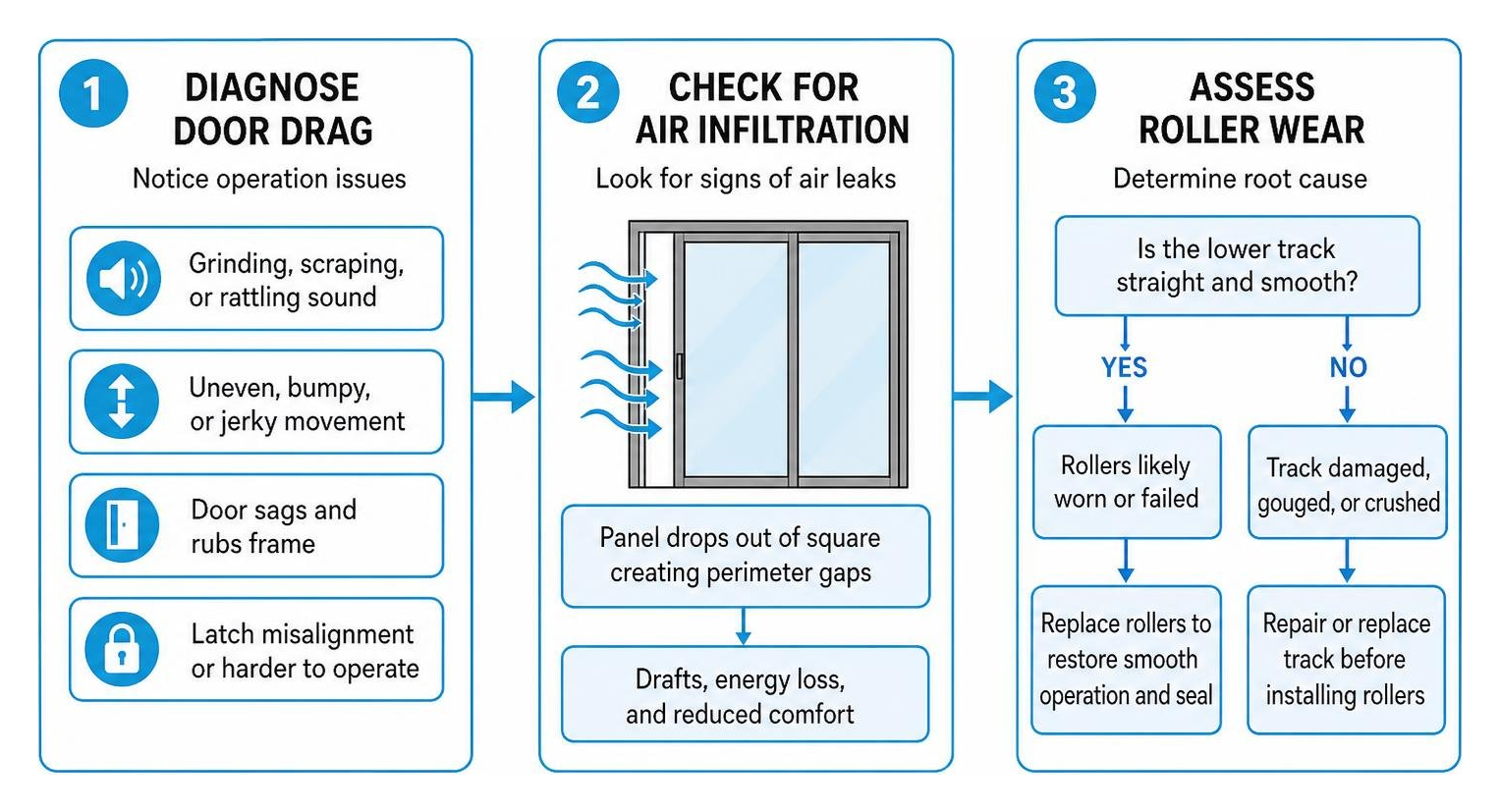
In regions like Chicagoland with freezing winters and humid summers, these gaps allow conditioned indoor air to escape while drafting exterior air directly into your living space. The gap pulls the door sash away from its perimeter seals. Pairing fresh rollers with proper weather stripping ensures an airtight barrier, preventing drafts and maximizing home comfort throughout every season.
Preparation and Essential Tools for Changing Sliding Door Rollers
Preparation is key to a smooth replacement process. Having the right tools and workspace ready ensures the project goes smoothly without damaging the door or surrounding trim.
Gather the following tools before starting:
- #2 and #3 Phillips Head Screwdrivers: For adjusting and removing roller mounting fasteners.
- Flathead Screwdriver or Putty Knife: Helpful for gently prying out stubborn roller cartridges.
- Rubber Mallet: Useful for nudging tight rail assemblies without marring finishes. Never strike the door frame or glass with a metal hammer.
- Vacuum with Narrow Crevice Attachment: To clean decades of accumulated dirt, pet hair, and grit from the bottom track.
- Dry Silicone Spray or PTFE Lubricant: For clean, long-lasting lubrication that will not attract airborne dust.
- Heavy-Duty Work Gloves and Safety Glasses: Essential personal protection when handling large glass panels.
Sizing and Sourcing Replacement Assemblies
Sliding door rollers are not universal. While many modern patio doors share similar configurations, variations in housing dimensions, wheel diameters, and mounting hole positions are common.
Standard residential sliding doors typically utilize 1-1/4 inch diameter wheels, but sizes can range from 1 inch to 1-1/2 inches or larger. Beyond the wheel diameter, you must match:
- Housing Style: Inline single roller vs. tandem (dual-wheel) assembly.
- Mounting Type: Top-mount screw, side-mount screw, end-adjustable, or snap-in tab.
- Wheel Material: Steel, nylon, or Delrin with heat-treated ball bearings.
- Housing Dimensions: Exact width, length, and height of the metal bracket.
If you have older custom units or large glass installations, such as custom sliding glass doors, finding an exact match might require taking the extracted roller directly to a specialty hardware supplier or matching the part number stamped on the assembly casing.
Preparing the Workspace and Door Panel Support
Never attempt to balance a removed door panel against a wall where it can slide or fall. Set up a secure staging area using two sturdy sawhorses covered with thick moving blankets, or lay down a pair of moving blankets directly on a flat, clean floor space near the opening.
Because a standard tempered glass patio panel weighs between 80 and 150 pounds, always perform this job with a capable helper. Clear curtains, blinds, furniture, and floor rugs out of the walkway to prevent tripping hazards during the lift.
How to Replace Sliding Glass Door Rollers
Step-by-Step Guide to Changing Sliding Door Rollers
Follow this systematic process to replace worn roller assemblies safely and efficiently:
- Retract the Existing Rollers: Locate the adjustment access holes at the bottom of the interior door stiles (often covered by small plastic plugs). Insert a screwdriver and turn the screws counterclockwise to retract the wheels fully inside the door rail. This lowers the panel and creates clearance between the top of the door and the head track.
- Remove the Moving Panel: Stand on the interior side with your helper, placing one person on each side of the sash. Firmly grip the vertical stiles, lift the entire panel straight up into the upper header pocket, tilt the bottom edge outward toward the room, and slowly lower the panel clear of the frame.
- Rest the Panel Safely: Carry the door to your prepared work surface and lay it flat with the bottom rail accessible.
- Extract the Old Rollers: Depending on the door manufacturer, the roller housing is secured by either an adjustment screw accessible through the face of the rail or an end-mounting screw on the edge. Remove the mounting fastener. If the roller is stuck due to corrosion, use a flathead screwdriver or hook tool to gently ease the metal cartridge out of its pocket.
- Clean the Housing and Track: Before installing new hardware, thoroughly vacuum out the internal roller cavity and the entire bottom door track. Wipe away grease and dirt using a clean microfiber cloth.
- Install the Replacement Rollers: Slide the new roller assembly into the bottom rail pocket, ensuring the height-adjustment screw lines up perfectly with the access hole on the door frame. Secure the assembly with the mounting screws.
- Preset the Wheels: Turn the adjustment screw until the wheels are retracted to their lowest position. This ensures the door will fit back into the track opening without catching the upper rail.
- Rehang the Panel: With your helper, lift the door back into place by inserting the top edge into the deep upper channel first, swinging the bottom over the lower track, and gently setting the new wheels down onto the center guide rail.
For detailed alternative approaches on different door brands, you can review this DIY sliding door roller replacement walkthrough or consult Quoteroot’s sliding glass door roller guide for additional component identification tips.
Height Adjustment and Track Alignment
Once the panel rests securely on the track, the door must be adjusted so that it sits square and level within the frame.
Locate the adjustment screws at the bottom of both vertical edges. Turn each screw clockwise to raise the door panel up off the threshold. Adjust both sides in equal increments:
- Raise the panel until the bottom weatherstripping clears the track without dragging.
- Slide the door nearly closed, leaving a thin 1/8-inch gap along the side jamb.
- Check whether the gap is perfectly even from top to bottom. If the gap is wider at the top, raise the roller on the latch side (or lower the roller on the rear side).
- Test the latch mechanism. If the lock does not engage smoothly, raise or lower the panel slightly until the locking hooks align with the keeper.
- Apply a light coating of dry silicone spray along the track rail to ensure quiet, effortless gliding.
DIY vs. Professional Replacement: Materials and Safety
Evaluating Risks and Mistakes When Changing Sliding Door Rollers
While changing sliding door rollers is a manageable project for an experienced DIYer, handling large sheets of glass involves inherent risks. Tempered glass is designed to crumble into thousands of small pieces if its edges suffer a direct impact against hard flooring or metal screws. Dropping a 150-pound panel can result in immediate glass breakage and potential injury.
Other frequent DIY pitfalls include:
- Installing the wrong replacement roller size, which leads to permanent frame binding.
- Stripping adjustment screws by using the wrong screwdriver size or over-torquing.
- Forcing the door out of the opening without retracting the rollers, which bends the aluminum track ribs.
For international perspectives on structural diagnostics and track fixes, Studio Matrx’s sliding door roller repair breakdown highlights how climate humidity and track warping influence roller performance. If your project involves heavy hurricane-rated or laminated units, review these impact sliding door upgrades to understand why professional handling is recommended for oversized panels.
Roller Material Comparison and Lifespan
Selecting high-quality hardware ensures you won’t have to repeat this repair anytime soon. Builder-grade rollers often use basic carbon steel bearings and soft plastic wheels that wear down rapidly, whereas premium assemblies feature precision-machined materials designed for decades of smooth operation.
| Roller Type | Wheel Material | Bearing Construction | Typical Lifespan | Best Use Case |
|---|---|---|---|---|
| Standard Residential | Nylon / Plastic | Open Carbon Steel Ball Bearings | 3 to 5 Years | Light interior closet doors or small secondary sliders. Nylon reduces noise by 30% compared to standard steel units. |
| Heavy-Duty Steel | Heat-Treated Carbon Steel | Semi-Sealed Steel Bearings | 5 to 8 Years | Standard 5ft and 6ft residential glass patio doors. High load capacity for daily use. |
| Premium Tandem | Delrin (Acetal Resin) or Stainless Steel | Precision Sealed Stainless Steel Bearings | 10 to 15+ Years | Heavy multi-panel patio doors, large architectural glass, and coastal or humid environments prone to corrosion. |
Choosing premium tandem rollers with sealed bearings provides superior resistance against moisture and dust intrusion, making them well-suited for Midwest seasonal temperature swings.
Evaluating Door Repair vs. Full Unit Replacement
Replacing worn rollers is an effective way to restore functionality when the surrounding frame and insulated glass unit are in good structural condition. However, if the door exhibits rotted wood framing, cracked vinyl, failed insulated glass seals showing internal condensation, or severely warped jambs, simply changing the rollers may not solve the underlying performance issues.
Reviewing a comprehensive patio door replacement guide can help you determine whether your patio door simply needs new hardware or if upgrading to a modern, energy-efficient door system will deliver better long-term comfort, insulation, and home security.
Frequently Asked Questions About Sliding Door Rollers
How do I know if my sliding door rollers need adjustment or complete replacement?
If your sliding door becomes hard to operate, start by vacuuming the track and adjusting the lower height screws to see if leveling the panel resolves the drag. If the door lifts and glides effortlessly afterward, a simple adjustment was all that was needed. However, if the door continues to grind, scrapes the track, has visible flat spots on the wheels, or if the adjustment screws spin freely without lifting the panel, the roller assembly has failed and requires complete replacement.
Can one person safely replace sliding door rollers alone?
We do not recommend replacing sliding door rollers alone. Standard sliding glass door panels weigh between 80 and 150 pounds, while impact-rated or double-pane units can exceed 200 pounds. Lifting, balancing, and maneuvering a heavy glass panel out of its track requires two people to prevent drops, severe glass breakage, and personal injury. A helper is essential to steady the weight while aligning the door back into the top header.
Should I apply grease or WD-40 to my sliding door track?
No, you should never use heavy grease, oil, or standard WD-40 on a sliding door track or roller assembly. Wet lubricants attract airborne dirt, pet hair, and sand, forming a thick, abrasive paste that clogs the roller bearings and accelerates wheel wear. Instead, thoroughly clean the track with a vacuum and damp cloth, then apply a dry silicone spray or PTFE dry lubricant, which provides smooth operation without attracting grime.
Conclusion
Restoring effortless glide to a sticking patio door transforms everyday living comfort while protecting your door’s frame and weather seals from premature wear. By identifying the right replacement hardware, working safely with a helper, and properly leveling the panel after installation, you can keep your patio door operating smoothly for years to come.
When door frames show extensive structural settling, severe track warping, or seal failure, professional replacement is often the best path toward lasting energy efficiency and security. For homeowners across Des Plaines, Park Ridge, Morton Grove, and the greater Chicago area, Perfect Windows & Siding brings over 20 years of exterior remodeling craftsmanship backed by our lifetime workmanship warranty.
Ready to upgrade your home with high-performance, custom-fit patio doors? Get a free estimate or schedule your consultation with our experienced team today.