

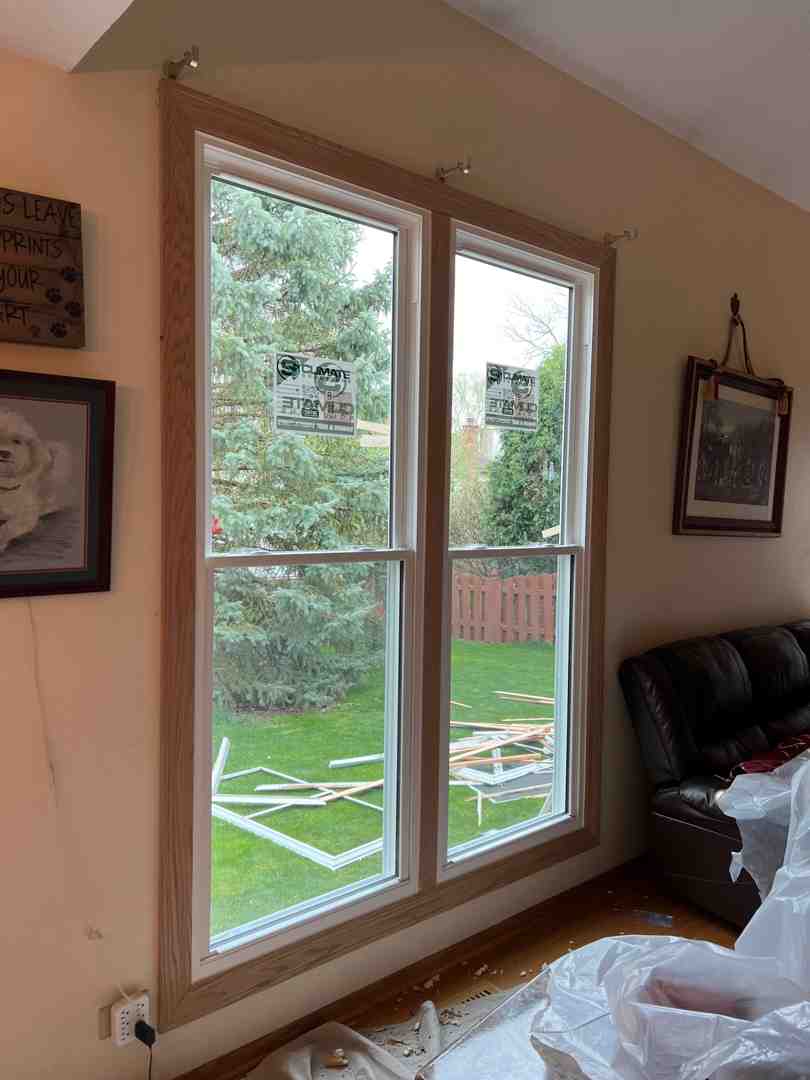
Wood window replacement is one of the most effective ways to preserve the warmth, craftsmanship, and architectural character of a traditional home while improving everyday comfort. Real wood frames bring a level of depth and detail that synthetic materials often cannot duplicate, especially in homes with original trim, stained interiors, divided-light patterns, or historically inspired exterior profiles. For homeowners in Chicago, Des Plaines, Park Ridge, Glenview, Wilmette, and nearby suburbs, the right wood windows can support better insulation, cleaner operation, and a more refined curb appeal without sacrificing the personality of the home.
A well-planned natural wood window upgrade can provide several important benefits:
- Architectural charm: Custom wood profiles can be matched to existing casing, sash proportions, grille patterns, and interior finishes.
- Home insulation: Wood naturally limits heat transfer, helping rooms feel more comfortable through cold Midwest winters and humid summers.
- Curb appeal: Freshly installed wood or clad-wood windows can sharpen the appearance of both historic and newer homes.
- Timeless beauty: Stain-grade wood interiors create a warm, furniture-quality finish that complements traditional and transitional design styles.
- Custom flexibility: Wood can be milled for specialty shapes, oversized openings, and detailed architectural requirements.
Key Wood Window Replacement Options and Styles
When selecting new frames for your home, matching the operative design and original architectural character is essential. Natural wood window replacement offers unparalleled versatility, allowing homeowners across Chicagoland to maintain historic beauty while upgrading to modern energy efficiency. To understand how various styles function within a complete exterior renovation project, explore our Window Replacement Complete Guide 2025.
Traditional Double-Hung Wood Window Replacement
Double-hung units are a hallmark of classic architecture throughout the Chicago area, from historic Victorian homes in Evanston to prewar Colonials in Park Ridge and Hinsdale. Featuring upper and lower sashes that slide vertically within the frame, double-hung windows offer complete control over natural air ventilation while simplifying cleaning from inside your living room. Real wood sashes provide exceptional structural rigidity, preventing twisting or warping and ensuring smooth operating movement season after season.
Double-hung wood windows are also especially useful when a homeowner wants to preserve the vertical proportions and balanced symmetry of the original facade. With carefully selected grille patterns, sash dimensions, and trim details, replacement units can blend naturally with existing siding, brick, stone, and interior millwork.
Custom Architectural Wood Window Replacement Options
Historic properties and unique architectural designs frequently feature non-standard window openings, arched tops, gothic curves, or custom radius shapes. When replacing original millwork, mass-produced off-the-shelf prefabricated units simply will not fit correctly or honor the building’s aesthetic integrity. Custom millwork allows us to replicate historical trim profiles, decorative muntins, and intricate casing details while seamlessly integrating high-performance insulated glass units. To explore custom shape configurations for your home in Wilmette or Skokie, read our Custom Windows Chicago Guide 2025.
Energy-Efficient Wood Casement Windows
Casement windows feature side hinges and operate using a smooth crank mechanism that pushes the sash outward, creating maximum opening area for natural ventilation. When closed, a multi-point locking system pulls the sash firmly against continuous weatherstripping around the frame perimeter, creating an exceptionally airtight seal. This design provides superior resistance against harsh Midwest winter wind drafts and driving rain. Learn more about performance features and frame styles in our guide to Energy Efficient Window Replacement.
Comparing Wood Species for Durability and Aesthetics

The long-term structural integrity, natural grain beauty, and decay resistance of your replacement windows depend heavily on the wood species selected for construction. Selecting the ideal wood material balances visual appeal with long-term weather performance.
Softwoods: Pine and Fir
Pine and Douglas fir are widely specified softwood options for interior frame construction and custom millwork. They feature a tight, even grain pattern that accepts paints and stains cleanly, providing endless flexibility to match existing interior room finishes.
- Pine: Highly workable and versatile, pine is a classic choice for custom interior finishes. Because softwoods require protection against exterior moisture penetration, pairing pine interior sashes with protective exterior cladding or multi-layer sealants ensures exceptional longevity.
- Douglas Fir: Known for higher natural density and strength, Douglas fir resists denting and structural sagging over time, making it ideal for oversized double-hung or casement sashes in northern Illinois homes.
Hardwoods: Mahogany, Cherry, and Teak
Hardwood species offer exceptional structural density, rich natural coloration, and heightened resistance to moisture exposure and temperature fluctuations.
- Mahogany & Cherry: Highly stable hardwoods that resist expanding, shrinking, or twisting under fluctuating indoor and outdoor humidity levels. They feature deep, luxurious grain patterns that look breathtaking when finished with clear or semi-transparent stains.
- Teak: A dense, naturally oil-rich hardwood species that offers innate resistance to moisture degradation, insect infestation, and wood decay without requiring heavy chemical preservatives.
Thermal Efficiency and Glass Options for Wood Frames
Wood is inherently an efficient natural insulator. Unlike cold aluminum or metal frames that readily transfer outdoor temperatures directly into your living spaces, solid wood forms a powerful thermal barrier. For more insight into comfort improvements and structural benefits, read Home Window Replacement a Smart Investment for Comfort and Value.
Double and Triple Glazing Options
Combining high-density solid wood frames with modern multi-pane insulated glass units maximizes overall thermal efficiency and lowers home HVAC heating and cooling demands. Guidelines from the ENERGY STAR program highlight how advanced multi-pane glazing significantly enhances residential thermal performance:
- Double Glazing: Features two individual glass panes separated by an insulating warm-edge spacer and filled with non-toxic argon gas to slow conductive heat transfer between inside and outside temperatures.
- Triple Glazing: Incorporates three glass panes and two distinct argon-filled air chambers, offering maximum thermal resistance and dramatic reduction of outdoor street noise in busy neighborhoods around Chicago, Des Plaines, and Morton Grove.
- Low-E Glass Coatings: Microscopic, multi-layer metallic coatings applied to glass surfaces reflect long-wave heat energy back into your room during freezing winters while blocking solar radiant heat gain during humid summer months.
Clad-Wood Window Alternatives
For homeowners seeking the classic aesthetic warmth of genuine interior wood paired with minimal exterior maintenance requirements, clad-wood replacement windows offer a modern solution. These hybrid windows feature complete structural solid wood interior frames combined with an exterior protective shield constructed from heavy-duty extruded aluminum or tough vinyl cladding. The exterior cladding protects the underlying wood frame against rain, ice, heavy snow, and UV radiation, eliminating the necessity for periodic exterior painting.
Professional Installation vs. DIY Considerations and Warranties
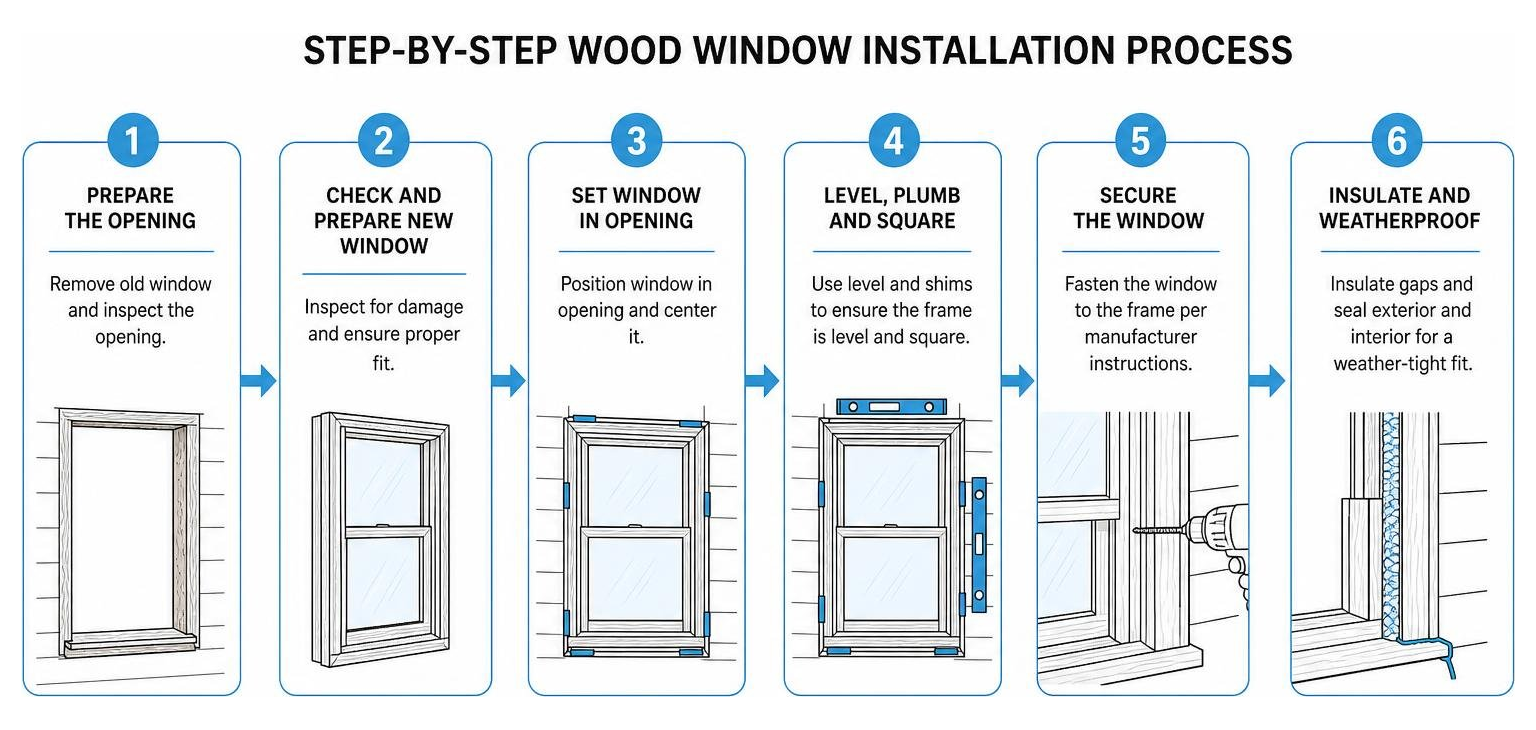
While experienced homeowners may consider tackling window replacement projects independently, authentic wood window installation demands precise craftsmanship, expert leveling, and specialized flashing knowledge. For an in-depth breakdown of proper fitting techniques, check out The Art of Wood Window Installation Tips for a Perfect Fit.
Why Professional Installation Ensures Long-Term Value
Installing custom wood windows requires meticulous wall cavity inspection, precision shimming to ensure square alignment, high-performance expansion foam sealing, and complete exterior flashings. Incorrect installation can lead to binding window sashes, drafty air leaks, or subtle water intrusion behind exterior wall siding that damages home framing over time.
Furthermore, federal regulations mandate EPA Lead-Safe certification practices when replacing original window frames in pre-1978 homes. Our licensed and insured installation specialists follow rigorous dust containment and safe removal protocols to protect indoor air quality for families across Glenview, Park Ridge, and surrounding suburbs.
Essential Warranty Coverage and Maintenance Guidelines
Even the highest quality wood window rely on expert installation to perform as engineered. Professional installation safeguards your manufacturer coverage by guaranteeing every component is fitted according to factory specifications. At Perfect Windows & Siding, we back our installation craftsmanship with comprehensive lifetime warranty coverage for total peace of mind.
To preserve your custom wood window investment for generations:
- Perform annual exterior sealant and caulk seam inspections to address minor hairline cracks.
- Maintain interior paint or stain finishes to seal raw wood pores against household air moisture.
- Clean lower window sash tracks and sill drain openings regularly to avoid water build-up.
Frequently Asked Questions About Wood Window Upgrades
How long do custom wood windows typically last?
When built from high-quality wood species and installed by certified professionals, wood replacement windows routinely last 30 to 50 years or more. Routine inspection of protective exterior finishes, maintaining tight caulk seals, and keeping interior wood sealed against ambient air humidity ensure long-term structural durability.
Why are wood windows superior for historic and prewar homes?
Many historic preservation commissions and architectural review boards throughout Chicagoland mandate real wood window replacements to protect historical authenticity. Real wood interior and exterior sashes can be custom-milled, profiled, stained, or painted to precisely replicate historic casing profiles, decorative grilles, and prewar architectural details that modern synthetic materials cannot match.
What ongoing upkeep do natural wood window frames require?
Unclad, painted exterior wood frames should be inspected annually and repainted or re-stained every few years to maintain a protective waterproof barrier against outdoor moisture and UV sunlight. Alternatively, selecting aluminum-clad or vinyl-clad wood windows eliminates exterior painting duties entirely while preserving authentic natural wood interiors inside your home.
Conclusion
Choosing real wood replacement windows brings unmatched natural beauty, superior thermal performance, and timeless architectural elegance to your home. At Perfect Windows & Siding, our family-owned business brings over 20 years of local expertise, custom millwork solutions, and dedicated lifetime warranty protection to every project across Chicago and the surrounding suburbs.
Ready to elevate your home’s curb appeal, interior comfort, and craftsmanship with precision-installed wood windows? Schedule your consultation with our expert team today to get a free estimate!