

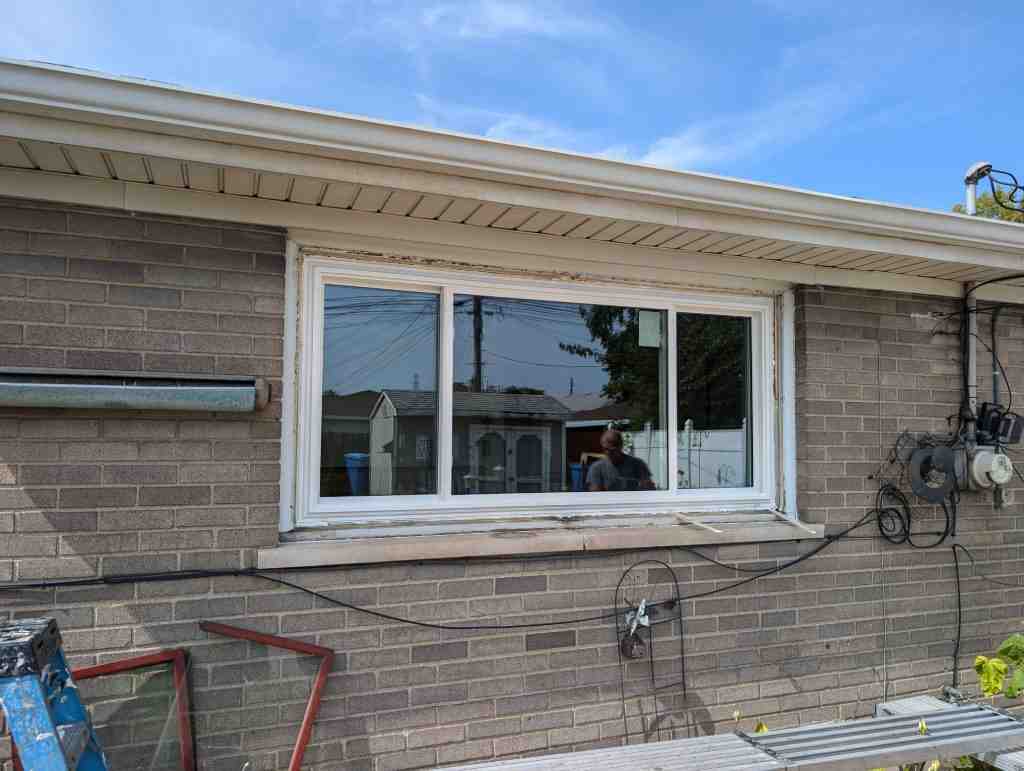
Why Home Window Replacement Matters for Chicago Homeowners
Home window replacement is one of the most impactful upgrades you can make to your property. If you’re considering this investment, here’s what you need to know:
Quick Answer: When to Replace Your Windows
- Single-pane windows wasting energy
- Persistent drafts or air leaks around frames
- Condensation between panes indicating seal failure
- Difficulty opening or closing windows
- Rising energy bills despite normal usage
- Rotting or warped frames and sills
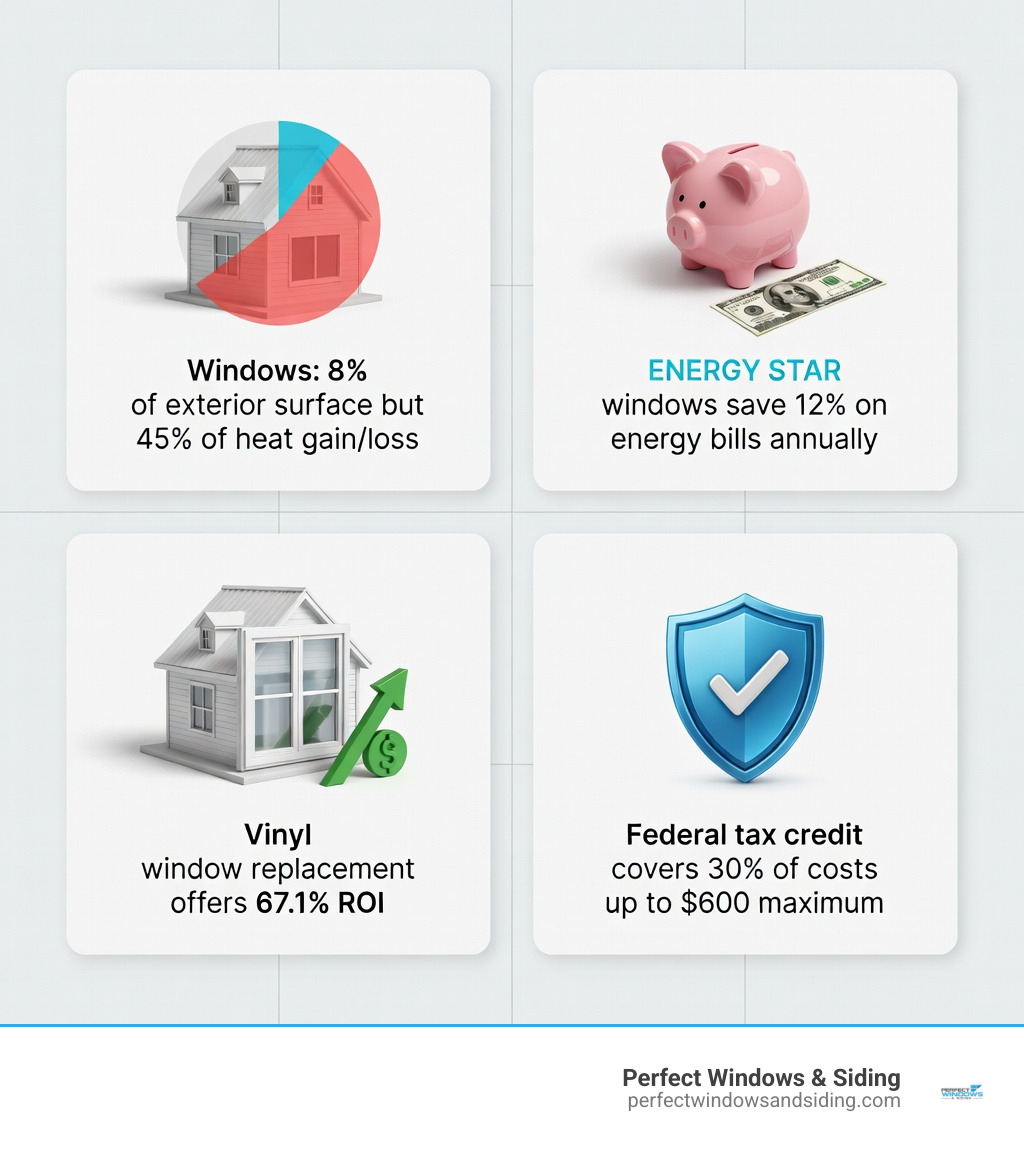
Your windows take up just 8% of your home’s exterior surface, yet they account for 45% of heat gain or loss. That’s a massive energy drain if your windows are old or damaged.
The good news? Upgrading to ENERGY STAR certified windows can reduce your energy bills by 12% on average—that’s $125 to $350 saved annually for most homeowners. Plus, vinyl window replacement delivers a 67.1% return on investment and can add over $14,000 to your home’s resale value.
But home window replacement isn’t just about energy savings. New windows eliminate drafts, reduce outdoor noise, improve security, and dramatically boost your home’s curb appeal. With federal tax credits covering up to 30% of installation costs (maximum $600 for windows) through 2032, there’s never been a better time to upgrade.
The challenge? Finding a trustworthy contractor who delivers quality materials, professional installation, and transparent pricing without high-pressure sales tactics.
I’m Voytek Glab, owner of Perfect Windows & Siding, and I’ve overseen thousands of home window replacement projects across the Chicagoland area for over 20 years. I’ll walk you through everything you need to make a smart, informed decision—from choosing the right materials to understanding costs and warranties.
Home window replacement glossary:
When to Prioritize Home Window Replacement
Knowing exactly when to pull the trigger on a Home window replacement project can be tricky. You don’t want to spend money prematurely, but waiting too long can lead to structural damage and astronomical utility bills. In our 20+ years serving the Chicago area—from Des Plaines to Wilmette—we’ve seen that homeowners usually notice one “smoking gun” sign that their windows are past their prime.
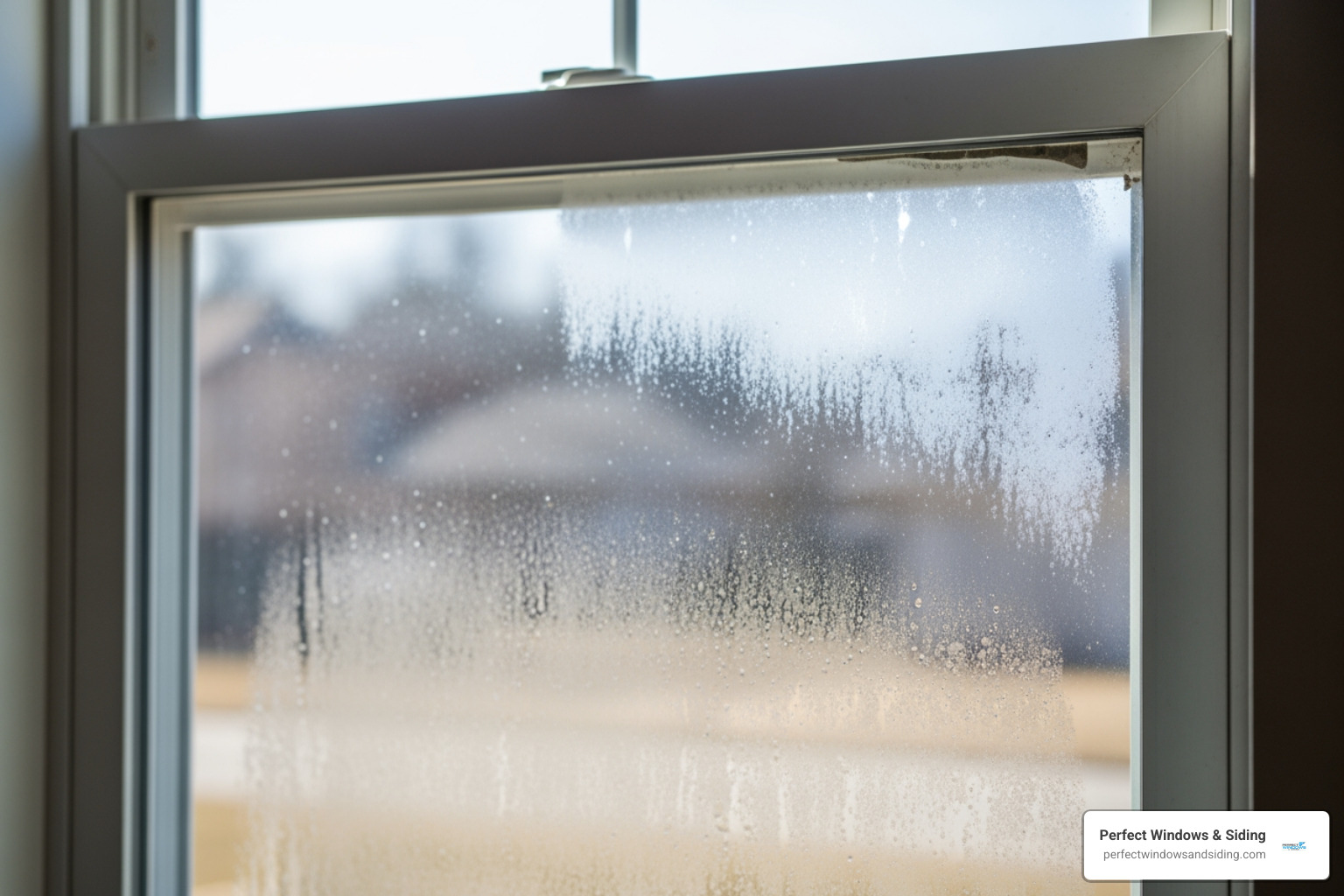
One of the most obvious red flags is condensation between the panes. If you see fogging or moisture that you can’t wipe away, it means the seal has failed. Once that inert gas (like argon) escapes, your window’s insulating power is gone. It’s no longer a barrier; it’s just two pieces of glass with a cloud in the middle.
Other signs are more about feel than sight. If you’re sitting on your couch in Park Ridge during a February blizzard and you feel a breeze, your windows are failing you. Drafts often stem from warped frames or degraded sills that no longer create a tight seal. Furthermore, if you’re struggling to muscle your windows open just to get a bit of fresh air, or if they refuse to stay up without a prop, it’s a safety hazard and a clear indicator for replacement.
According to the experts, Is it time to replace your windows? if they are single-pane or if the wood is beginning to rot. Rotting sashes can invite pests and water into your walls, turning a simple window job into a major structural repair.
Choosing the Right Materials and Styles
In Home window replacement, your choice of frame material is the foundation of your project’s success. Each material has its own personality, price point, and maintenance schedule.
- Vinyl: This is the most popular choice for a reason. Modern vinyl is incredibly durable, energy-efficient, and virtually maintenance-free. You never have to paint it, and it won’t rot. It’s also the most cost-effective option, offering a high ROI.
- Wood: For homeowners in historic areas like Hinsdale or Wilmette, wood offers an best aesthetic and high natural insulation. However, wood requires a commitment to painting or staining every few years to prevent rot.
- Fiberglass: Often considered the “premium” choice, Fiberglass replacement windows Chicago IL are incredibly strong. They expand and contract at the same rate as the glass itself, which reduces the risk of seal failure. They can also be painted if you ever want to change your home’s look.
Comparing Window Materials
| Feature | Vinyl | Wood | Fiberglass |
|---|---|---|---|
| Maintenance | Low (No painting) | High (Periodic staining) | Low (Optional painting) |
| Durability | High (Weather resistant) | Moderate (Prone to rot) | Very High (Strongest) |
| Insulation | Excellent | Excellent | Excellent |
| Average Cost | $100 – $900 | $150 – $1,300+ | $320 – $1,500+ |
| Resale Value | 67.1% ROI | 69.5% ROI | High |
Popular Home Window Replacement Styles
Once you’ve picked your material, it’s time to choose the style. This is where you can really let your home’s architecture shine. Whether you’re looking for Replacement windows Chicago or updating a suburban ranch, the right style improves both function and form.
- Double-Hung Windows: The classic American choice. Both the top and bottom sashes move, allowing for excellent ventilation. They also tilt inward, making them a breeze to clean from inside your house—no ladders required!
- Casement Windows: These crank outward like a door. They are fantastic for catching side breezes and provide a completely unobstructed view. Because they seal tighter when the wind blows against them, they are exceptionally energy-efficient.
- Sliding Windows: Perfect for wide openings, these slide horizontally. They are simple to operate and have fewer mechanical parts to worry about.
- Awning Windows: Hinged at the top, these open outward. You can even leave them open during a light Chicago rain shower without getting your floors wet!
- Bay and Bow Windows: These extend outward from the home, creating a cozy nook or “shelf” inside. They add square footage and flood a room with light.
- Picture Windows: These are fixed and do not open. They are designed to frame a beautiful view and offer the highest energy efficiency because they are permanently sealed.
Customizing with Grilles and Hardware
Don’t overlook the “jewelry” of your windows. Replacement windows Chicago IL can be customized with various grid lines (grilles) and hardware finishes to match your interior design.
Grilles can be placed between the panes of glass for easy cleaning, or “simulated divided lites” can be applied to the surface for a more authentic, historic look. While adding intricate grids can slightly increase the cost, they are essential for maintaining the architectural integrity of certain home styles. Hardware finishes like brushed nickel, oil-rubbed bronze, or classic white allow you to coordinate with your kitchen faucets or door handles, creating a cohesive look throughout the home.
The True Cost of Home Window Replacement
Let’s talk numbers. We know that “how much?” is the first question every homeowner asks. Nationally, the average cost to replace a window is around $650, including installation. However, in the Chicago market, prices can vary based on the complexity of the job and the materials chosen.
When budgeting, you aren’t just paying for the glass and frame. You are paying for:
- Materials: The window unit itself.
- Labor: Professional installation (typically $70-$150 per window).
- Disposal: Taking away your old, lead-laden windows (usually $14-$16 per window).
- Warranty: The peace of mind that if something breaks, it’s covered.
For a whole-house project (typically 15-25 windows), homeowners usually invest between $6,000 and $17,500. While that sounds like a lot, you have to look at the How much does window replacement cost? in the context of long-term savings and home value. If you’re searching for Window replacement cost near me, always ensure the quote includes the “extras” like insulation around the frames and interior trim work.
Maximizing ROI with Energy-Efficient Home Window Replacement
To get the most bang for your buck, you need to understand the labels. The National Fenestration Rating Council (NFRC) provides the “nutrition label” for windows.
- U-Factor: Measures how well the window keeps heat inside. For our Chicago winters, you want a lower number (ideally 0.27 or lower).
- SHGC (Solar Heat Gain Coefficient): Measures how much heat from the sun comes through the glass. In the North, we actually like a slightly higher number to help warm the house in winter, but a balanced number is best for year-round comfort.
- Low-E Coatings: These invisible metallic layers reflect heat back to its source. In summer, they keep the heat out; in winter, they keep your furnace’s heat in.
- Argon Gas: This non-toxic gas is denser than air and sits between the panes to provide superior insulation.
The 2024 Cost vs. Value report highlights that vinyl window replacement is a top-tier investment, recouping over two-thirds of its cost in immediate home value. When you combine that with Energy Star standards, the savings stack up quickly.
Incentives and Savings Strategies
We always tell our clients in places like Mount Prospect and Glenview to look for ways to offset the initial cost.
- Federal Tax Credits: Thanks to the Inflation Reduction Act, you can claim 30% of the cost of ENERGY STAR windows, up to $600 per year, through 2032.
- Utility Rebates: Many local utility companies offer cash back for energy-efficient upgrades. Check the DSIRE database for local Illinois incentives.
- Bulk Discounts: It is almost always cheaper to replace all your windows at once rather than doing them piecemeal. Contractors can offer better pricing when they don’t have to mobilize a crew multiple times.
- Off-Season Timing: Scheduling your Chicago home window replacement for late fall or winter can sometimes lead to better rates as companies look to fill their schedules.
Professional Installation and Warranty Standards
You could buy the most expensive, high-tech window in the world, but if it’s installed poorly, it’s just an expensive piece of trash. Professional installation is non-negotiable, especially in older Chicago homes where the house may have settled and the openings are no longer perfectly square.
There are three main types of installation:
- Sash Pack: Replacing just the moving parts. This is only an option if your frames are in perfect condition.
- Pocket (Insert) Replacement: The new window is tucked into the existing frame. This is faster and preserves your interior trim, but it slightly reduces the glass area.
- Full-Frame Installation: The entire old window, including the frame and trim, is removed down to the studs. This is the “gold standard” because it allows the installer to check for rot and add proper insulation around the opening.
When hiring, look for certifications from the American Window and Door Institute or Installation Masters. Also, if your home was built before 1978, it likely contains lead paint. You must hire lead-safe certified contractors who follow EPA protocols to protect your family from toxic dust. For a deep dive into the process, check out our Window replacement complete guide 2025.
Comparing Quotes and Avoiding High-Pressure Sales
We’ve all heard the stories of the salesman who stays in your kitchen for four hours until you sign a contract. Avoid that! A reputable company will provide a detailed bid and then give you space to think.
Your quotes should always be “apples to apples.” Ensure they specify the brand, model, glass type, and whether labor and disposal are included. Always check Window replacement companies near me reviews to see how the company handles issues after the sale. A company that has been around for 20 years is much more likely to be there to honor a warranty than a “trunk slammer” who started last week.
Frequently Asked Questions about Window Upgrades
Is it cheaper to replace all windows at once?
Yes, absolutely. When you do a Window replacement for house Chicago, you typically save 15-30% per window. This is because the contractor only has to pay for one permit, one delivery fee, and can keep the crew on-site until the job is done. It also ensures that all your windows match perfectly in color and style, which is great for curb appeal.
How long does a typical window installation take?
The actual on-site work is surprisingly fast. A professional crew can usually install 10 to 15 windows per day. A single window usually takes about 30 to 60 minutes. However, the total project timeline—from the moment you sign the contract to the final walkthrough—is usually 2 to 4 weeks, as most high-quality windows are custom-ordered to fit your home’s specific dimensions. You can learn more about the timeline in our guide to Replacement windows Chicago 2.
What should I look for in a window warranty?
Not all warranties are created equal. You want to look for:
- Lifetime Warranty on the Unit: This should cover the frame and the glass seal.
- Glass Breakage: Some premium warranties even cover accidental breakage (like a stray baseball).
- Labor Warranty: This is separate from the manufacturer’s warranty. It covers the installation work itself. At Perfect Windows & Siding, we take pride in being the Best window replacement company near me by offering comprehensive coverage that gives you total peace of mind.
Conclusion
Replacing your home’s windows is a big decision, but it doesn’t have to be a stressful one. By choosing the right materials, understanding the energy ratings, and insisting on professional installation, you are making a smart investment that will pay dividends in comfort, aesthetics, and lower energy bills for decades to come.
At Perfect Windows & Siding, we are proud to be a local, family-owned business serving the entire Chicagoland area—from Addison and Elk Grove Village to Skokie and Evanston. We don’t believe in high-pressure sales; we believe in providing custom solutions and personalized service that treats your home like our own. With over 20 years of experience and a commitment to quality backed by a lifetime warranty, we’re here to help you see your home in a whole new light.
Ready to upgrade your home’s comfort and value? Explore our Window installation services and let’s get started on your project today!