

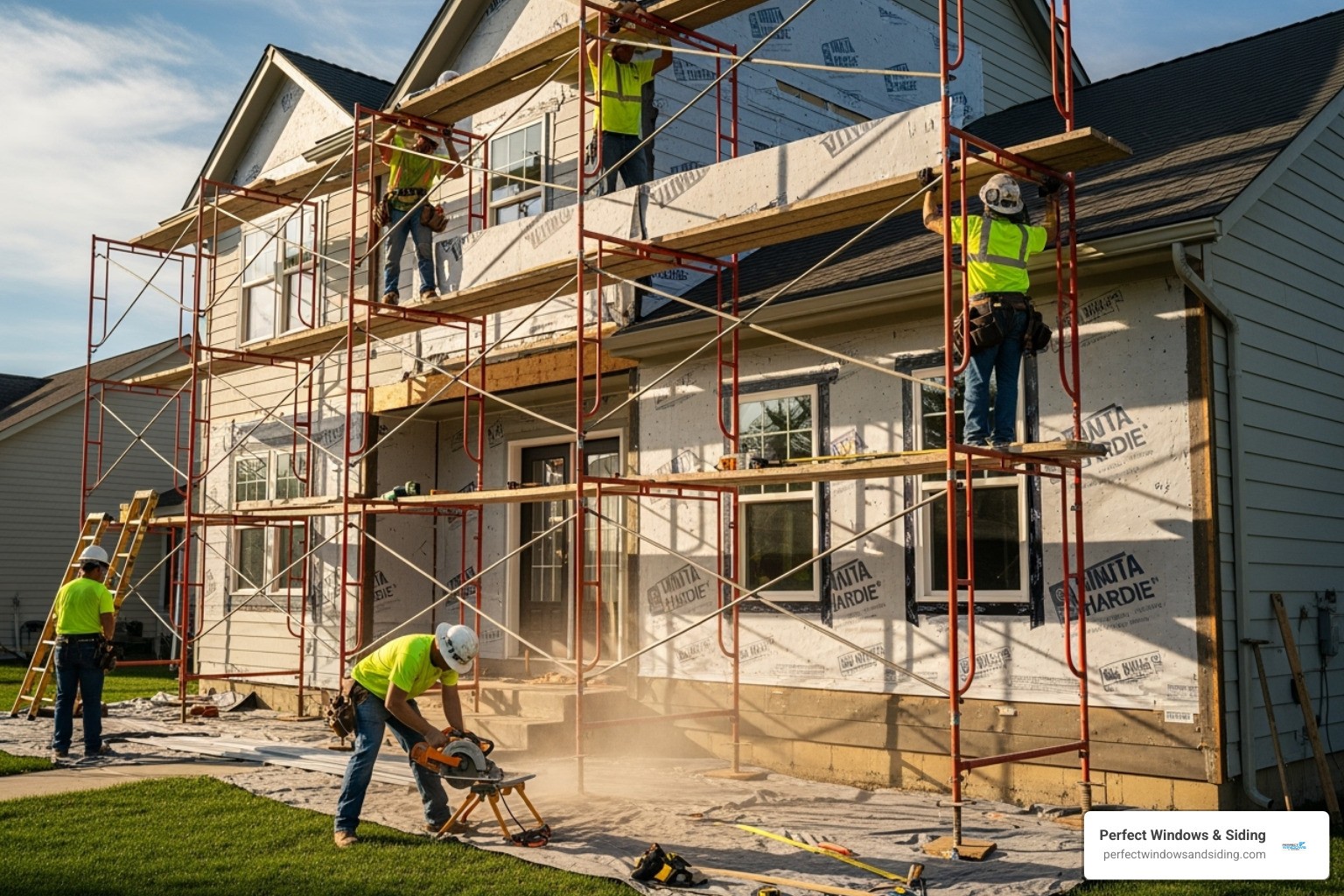
What should a Hardie siding replacement estimate include?
A useful Hardie siding replacement estimate separates siding and trim, labor, removal and disposal, wall preparation, flashing and any repairs discovered behind the old siding. Compare the same measured wall area and scope of work. The price ranges below are planning figures, not a current quote for a specific Chicago-area home.
Why Understanding Hardie Siding Replacement Costs Matters for Your Home Investment
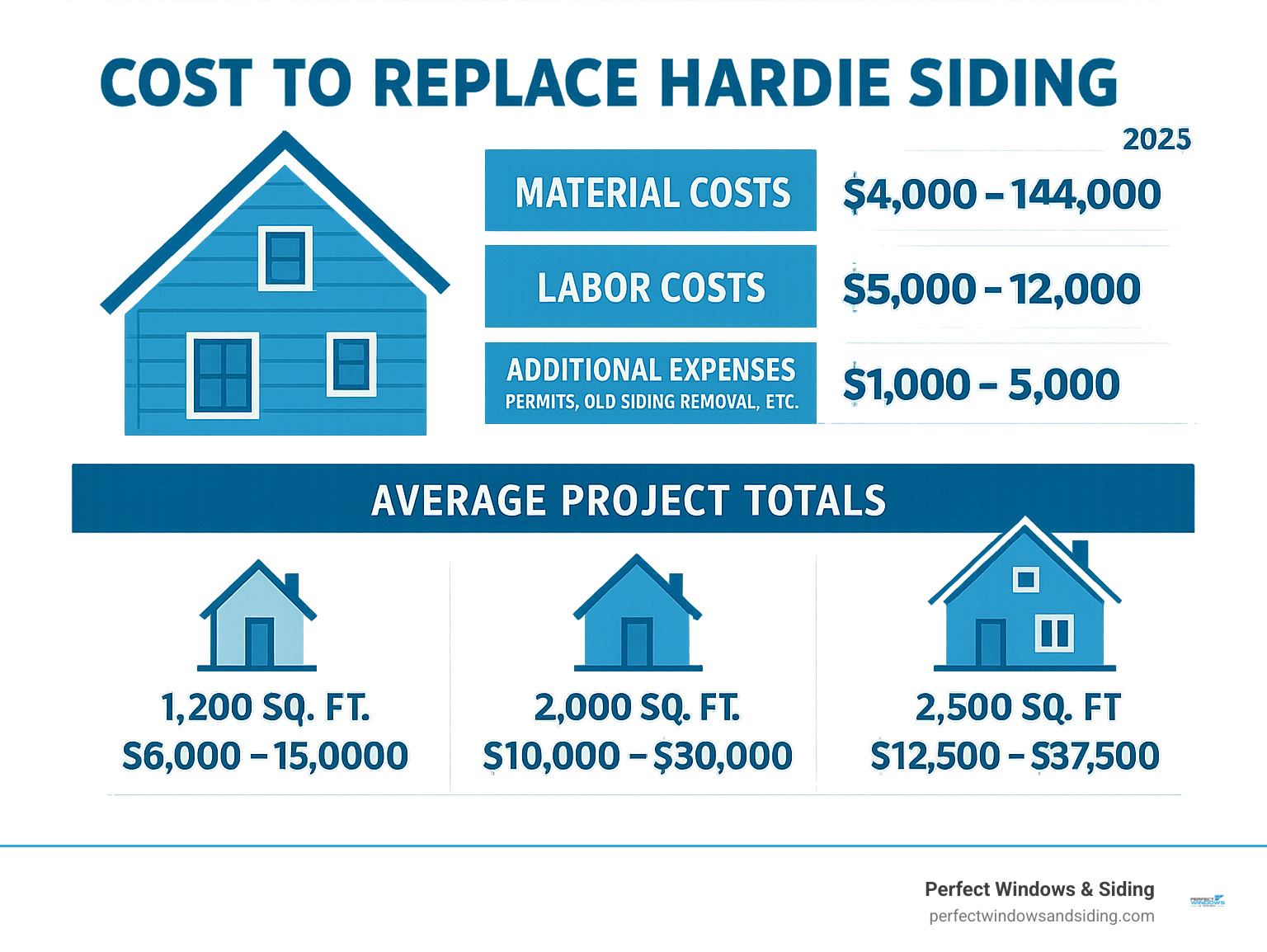
The cost to replace hardie siding typically ranges from $10,000 to $30,000 for an average home, with most homeowners paying around $17,500 for a complete installation. Here’s what you need to know:
Quick Cost Breakdown:
- Per square foot: $5 to $15 (average $10)
- 1,200 sq ft home: $6,000 – $15,000
- 2,000 sq ft home: $10,000 – $30,000
- 2,500 sq ft home: $12,500 – $37,500
Replacing your home’s siding is a significant exterior investment. Hardie siding is incredibly popular among Chicago-area homeowners, and for good reason. This fiber cement material offers the beautiful look of wood without the maintenance headaches of rot, pest damage, or frequent repainting.
Siding replacement isn’t cheap, and the wide price range often leaves homeowners confused. Understanding these costs upfront helps you budget properly and avoid surprise expenses.
As Voytek Glab, owner of Perfect Windows & Siding, I’ve spent 20 years helping Chicago-area homeowners steer the cost to replace hardie siding. Through countless installations, I’ve seen how various factors impact the final bill, and I’m here to break it down for you.
Understanding the Average Cost to Replace Hardie Siding
Here’s what most homeowners find when they start researching: the cost to replace hardie siding averages around $17,500 nationally. But before you set your budget, every home tells a different story, something I’ve learned from two decades of siding installations in the Chicago area.
Your actual project cost could range from $5,000 for a smaller, straightforward job to $37,500 for larger or more complex homes. Cozy bungalows with simple lines come in at the lower end, while multi-story homes with bay windows, dormers, and intricate trim naturally require a bigger investment.
No two siding projects are identical. Your neighbor’s quote might be completely different, even if your homes look similar. That’s because many factors go into the final number, from your home’s architecture to the specific Hardie products you choose. If you’re curious about our full range of services, check out our Siding page.
A Detailed Look at the Cost to Replace Hardie Siding Per Square Foot
Contractors almost always start with a per-square-foot calculation to determine the cost to replace hardie siding. This gives you the clearest picture of what you’re paying for.
Most homeowners can expect to invest $5 to $15 per square foot for complete Hardie siding installation, including materials and professional labor. The sweet spot is about $10 per square foot for most projects.
This calculation is based on your home’s exterior wall surface area – not your indoor living space. I measure every exterior wall that needs siding, from the foundation to the roofline. This measurement is the foundation for an accurate, transparent quote.
For homeowners in our area, you can find more detailed local pricing information on our Siding Chicago, IL page.
Sample Project: The Cost to Replace Hardie Siding on a 2,000 sq. ft. Home
Let’s use a common example. For a home with 2,000 square feet of exterior wall surface, you’re looking at an average cost of around $20,000.
However, that same 2,000 square foot home could cost anywhere from $10,000 to $30,000.
Why such a wide range? Think of it like buying a car: the base model is standard, but premium features, special finishes, or complex installation challenges increase the price.
Maybe your home has many corners and angles, you’re choosing the premium ColorPlus® finish, or you need extensive prep work. Each factor shifts your final investment, which is why a detailed, personalized quote is essential.
Key Factors That Influence Your Final Siding Bill
Here’s the truth about the cost to replace hardie siding: there’s no magic number that applies to every home. Just like no two homes are exactly alike, no two siding projects will have identical price tags. Your project is completely custom, and several key factors will shape your final investment. As one of the trusted Siding Companies Chicago, we’ve learned that understanding these variables upfront helps homeowners make informed decisions and avoid budget surprises.
Home Size and Architectural Complexity
The most straightforward factor affecting your cost to replace hardie siding is your home’s square footage of exterior walls. More wall space simply means more material and more labor hours. But here’s where it gets interesting – size isn’t everything.
A charming 1,500-square-foot ranch with clean, straight lines will typically cost less per square foot to side than a 1,500-square-foot Victorian with multiple gables, dormers, and decorative trim work. Every architectural detail that makes your home unique also adds complexity to the installation process.
Multi-story homes bring their own set of challenges. Our crews need scaffolding to reach higher levels safely, which adds equipment rental costs and increases labor time. Those beautiful gables and dormers that give your home character? They require precise measuring, careful cutting, and extra attention to weatherproofing details.
We love working on architecturally interesting homes – they’re often the most rewarding projects. But it’s important to understand that complexity and craftsmanship come with additional investment.
Labor Rates and Geographic Location
Labor makes up a significant chunk of your total cost to replace hardie siding – often more than the materials themselves. These costs can vary quite a bit depending on where you live, even within the Chicagoland area.
But here’s something crucial: not all installers are created equal. Hardie siding isn’t just any siding – it’s a premium product that requires specific installation techniques to perform properly and maintain its warranty. The wrong installation approach can lead to problems that cost far more than any upfront savings.
Professional installation isn’t just recommended – it’s essential. Our team has over 20 years of experience with fiber cement siding, and we’ve seen what happens when shortcuts are taken. For broader labor market insights, you can check the Occupational Employment and Wage Statistics from the Bureau of Labor Statistics. When you’re searching for Siding Installation Near Me, experience and proper certification should be your top priorities.
Siding Style and Finish: Primed vs. ColorPlus®
The style of Hardie siding you choose will influence your project cost. HardiePlank® lap siding is the most popular choice, offering that classic horizontal look most homeowners love. HardieShingle® siding creates a beautiful cedar shake appearance but typically costs more due to the additional labor involved in installing individual shingles. HardiePanel® vertical siding gives you that modern farmhouse vibe and can be very cost-effective for certain applications.
The biggest cost decision you’ll make is between primed and factory-finished siding:
Pre-primed siding costs less upfront for the material itself, but you’ll need to hire a painter after installation. Painting can add $1.50 to $5.00 per square foot to your project – that’s potentially $3,000 to $10,000 more for a typical home. Plus, you’ll need to coordinate with another contractor and wait for good weather.
ColorPlus® Technology is James Hardie’s factory-painted option. Yes, the material costs about $1.50 more per square foot, but it comes ready to enjoy. The paint is applied in a controlled factory environment and comes with a 15-year finish warranty. No additional painting, no extra contractors, no waiting around.
| Feature | Pre-Primed Siding | ColorPlus® Technology |
|---|---|---|
| Upfront Material Cost | Lower | Higher (approx. $1.50/sq ft more) |
| Painting Cost | Required after installation (additional contractor) | Included in material; no separate painting needed |
| Long-Term Maintenance | Repainting every 10-15 years | Excellent fade resistance; less frequent repainting |
| Finish Warranty | No specific finish warranty (depends on paint used) | 15-year limited finish warranty |
Most of our clients choose ColorPlus® once they understand the total picture. The convenience and long-term performance usually make the extra material cost worthwhile.
Time of Year
Here’s something many homeowners don’t consider: timing can affect your bottom line. Spring and summer are peak seasons for exterior work, which means higher demand for quality contractors. During these busy months, pricing tends to be at its highest, and scheduling can be more challenging.
Fall and winter months often present opportunities for better pricing. Contractors are looking to keep their crews busy during slower periods, which can translate to more competitive rates for homeowners. We work year-round and have the experience to handle installations in various weather conditions, so you don’t have to sacrifice quality for savings.
Of course, there are practical considerations with off-season work, but don’t let that stop you from exploring your options. Sometimes the best deals come when you’re willing to be flexible with timing.
Deconstructing the Quote: Additional Costs to Budget For
Here’s the thing about the cost to replace hardie siding – what you see on that first quote line isn’t the whole story. Think of it like ordering a pizza. The base price gets you the dough and sauce, but you’ll need toppings, delivery, and maybe some garlic bread to make it a complete meal. Your siding project works the same way.
A professional installation involves much more than just slapping new boards on your house. There are essential steps and materials that ensure your investment lasts for decades, not just a few years. This is exactly Why New Siding is Worth the Investment – when done right, you’re getting a system that protects your home.
An itemized quote is your best friend here. It shows you exactly where every dollar goes, so there are no surprises when the work begins. After 20 years in this business, I’ve seen too many homeowners caught off-guard by “hidden” costs that should have been discussed upfront.
Removal and Disposal of Old Siding
Unless you’re building a brand-new home, that old siding has to come off before the new Hardie boards can go on. This tear-off process typically costs between $0.25 to $2.00 per square foot, depending on what we’re dealing with.
Some materials are easier to remove than others. Old vinyl siding practically peels off, while decades-old wood siding might be stubborn and require more careful removal to avoid damaging the substrate underneath. Multi-story homes or houses with complex architectural details will naturally cost more to strip, since our crews need scaffolding and extra time to work safely around tricky areas.
Here’s something many homeowners don’t realize: Hardie siding is heavy – about 300 pounds per 100 square feet. That means disposal costs are higher than lighter materials. Most projects include a separate debris removal fee of $150 to $350 for hauling everything away. We handle all of this responsibly, ensuring old materials are disposed of properly.
Essential Prep Work and Materials
Before any new siding goes up, we need to make sure your home is ready for it. This prep work is absolutely critical for a long-lasting installation.
First, we inspect your home’s substrate – that’s the sheathing layer underneath your old siding, usually made of OSB or plywood. Any damaged or rotted sections get repaired or replaced. This step is non-negotiable with Hardie siding because it’s heavier and more rigid than other materials. It needs a solid, stable foundation.
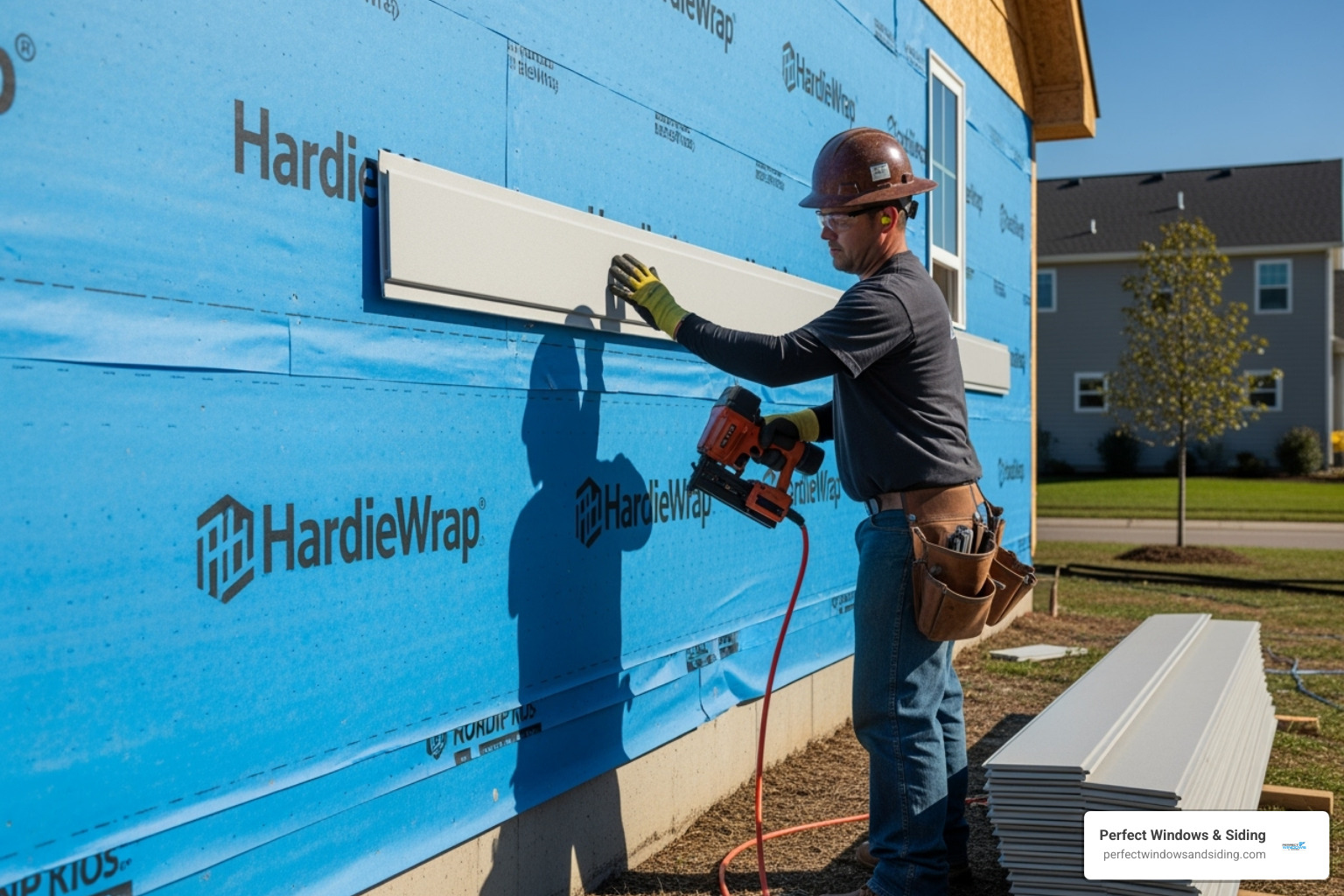
Next comes the weather-resistant barrier, and this is where HardieWrap® really shines. This protective layer goes over your sheathing before the siding installation begins. Think of it as a raincoat for your house – it blocks moisture while still allowing your walls to breathe. HardieWrap typically costs around $200 per roll, but it’s one of the smartest investments you can make for your home’s long-term health.
Trim work is another essential component. The areas around your windows, doors, and corners need HardieTrim® boards for a finished, professional look. The amount of trim varies dramatically from house to house – a simple ranch might need minimal trim, while a Victorian with lots of architectural details could require extensive trim work.
Finally, proper flashing around windows, doors, and other openings prevents water from sneaking behind your siding. It’s a small detail that makes a huge difference in keeping your home dry and preventing costly water damage down the road.
Permits and Inspections
Almost every siding replacement project requires a building permit from your local municipality. These aren’t just bureaucratic problems – they ensure the work meets safety standards and building codes. Permit fees typically range from $500 to $2,000 in the Chicagoland area, depending on your location and project scope.
The good news? We handle the entire permitting process for you. From the initial application to scheduling the final inspection, we take care of all the paperwork and coordination. You don’t need to worry about navigating local regulations or understanding code requirements – that’s our job.
After the installation is complete, a building inspector will come out to verify everything was done correctly. This final sign-off gives you peace of mind that your new siding meets all local standards and will protect your home for years to come.
Planning to replace siding on your Chicagoland home? Request an estimate based on your home and the scope of replacement.
The Long-Term Value: Why Hardie Siding is a Smart Investment
Yes, the upfront cost to replace hardie siding might make you wince a little – we get it! But here’s the thing: you’re not just buying siding, you’re making one of the smartest long-term investments in your home’s future. Think of it like buying a quality winter coat in Chicago. You could go cheap, but when those brutal February winds hit, you’ll be grateful you invested in something that actually protects you.
Hardie siding delivers benefits that extend far beyond just making your home look amazing (though it absolutely does that too). We’re talking about exceptional durability, virtually zero maintenance headaches, and a return on investment that’ll make your accountant smile. After installing thousands of square feet of Hardie siding across Chicagoland, I can tell you it’s one home improvement that truly pays for itself over time. Learn more about our specialized Hardie Board Siding Installation services.
Best Durability and Lifespan
Here’s what makes Hardie siding worth every penny: it’s built like a tank, but looks like a million bucks. The secret is in its unique composition – a carefully engineered blend of cement, sand, and cellulose fibers that creates something pretty remarkable.
Fire resistance is where Hardie really shines. Made of 90% sand and cement, it’s completely non-combustible and earns a Class A fire rating. That’s not just peace of mind – many insurance companies actually offer discounts for homes with fiber cement siding. It’s like getting a rebate on your investment!
Pest and rot resistance means you’ll never lose sleep over termites munching on your siding or carpenter ants setting up shop. Unlike wood siding that can become an all-you-can-eat buffet for insects, Hardie board simply isn’t on their menu. Plus, it won’t rot, swell, or crack when moisture tries to work its way in.
Weather resilience is crucial here in Chicagoland, where we experience everything Mother Nature can throw at us. From those bone-chilling winters to humid summers, severe storms, hail, and high winds – Hardie siding takes it all in stride. It maintains its integrity and appearance year after year, no matter what our unpredictable weather dishes out.
The exceptional lifespan is perhaps the most impressive feature. With proper installation and minimal maintenance, Hardie board siding is designed to last 50 years or more. Most homeowners will literally never need to replace their siding again. When you calculate the cost to replace hardie siding over five decades, it becomes one of the most economical exterior choices you can make.
Warranty and Peace of Mind
James Hardie doesn’t just talk the talk – they back up their confidence with an industry-leading warranty that’s honestly pretty impressive. Your Hardie siding comes with a 30-year, non-prorated, limited transferable warranty. That means for three full decades, you’re protected against manufacturing defects, and if you decide to sell your home, that warranty transfers right to the new owners.
Here’s the cherry on top: if you choose ColorPlus® Technology, you get an additional 15-year limited finish warranty that protects against chipping, peeling, and cracking of the factory-applied paint. This isn’t some fine-print warranty with a million exclusions – it’s solid protection that shows James Hardie truly stands behind their product.
The transferable nature of this warranty is a huge selling point when it comes time to move. Potential buyers love knowing they’re getting a home with decades of protection remaining. If you ever need to use it, you can Submit a Warranty Claim directly with James Hardie.
Return on Investment (ROI) and Curb Appeal
Now let’s talk numbers that’ll make you smile. Siding replacement, particularly with fiber cement, consistently ranks among the top home improvement projects for return on investment. We’re talking about an impressive ROI of 70% to 85% or even higher in many cases. That means a significant portion of your investment comes back to you when it’s time to sell.
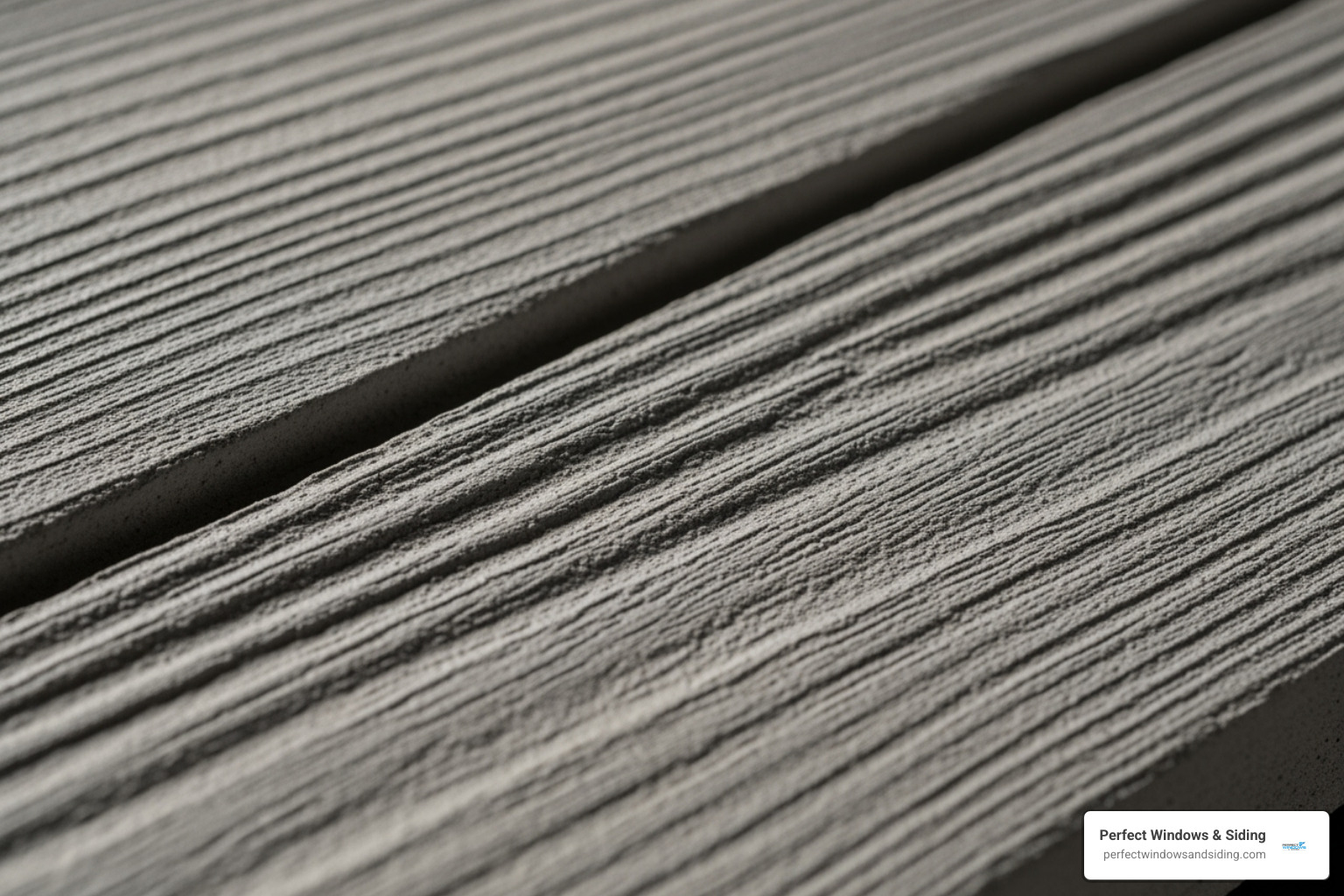
But the benefits start immediately with dramatically improved curb appeal. Hardie siding offers the rich, authentic look of wood grain with an incredible array of styles, textures, and colors. Whether you choose the classic lines of HardiePlank®, the charming texture of HardieShingle®, or the modern appeal of HardiePanel®, your home instantly becomes the one neighbors point to when describing their “dream exterior.”
That beautiful, well-maintained exterior makes a powerful first impression on potential buyers and increases your home’s market value substantially. It’s an investment that pays you back in daily enjoyment of your beautiful home and in real dollars when it comes time to sell. Really, what more could you ask for?
Frequently Asked Questions
Over our 20+ years serving the Chicagoland area, we’ve had countless conversations with homeowners about the cost to replace hardie siding. These are the questions that come up most often – and honestly, they’re all great questions that deserve detailed answers.
How does Hardie siding’s cost compare to other siding options?
When homeowners ask about the cost to replace hardie siding compared to other materials, I always tell them to think beyond just the upfront price tag. Yes, Hardie siding sits in the mid-to-high range for initial investment – it’s definitely more expensive than basic options but typically less than premium materials like natural stone or brick veneer.
Here’s where it gets interesting though: the real value emerges over time. While you might pay more upfront, Hardie siding’s incredible durability means you’re not dealing with frequent repairs, early replacement, or constant maintenance that cheaper alternatives often require.
The fire resistance alone can lead to insurance discounts, and the fact that it won’t rot, attract pests, or fade significantly means your maintenance costs stay remarkably low for decades. When you factor in these long-term savings, many homeowners find that Hardie siding actually becomes more cost-effective than “cheaper” options over the life of their home.
Can I install Hardie siding myself to save money?
I get it – when you’re looking at the cost to replace hardie siding, the idea of cutting out labor costs sounds appealing. But here’s the thing: Hardie board siding is a completely different beast than other materials you might have worked with.
This stuff is heavy – we’re talking about 300 pounds per 100 square feet compared to vinyl’s 60-70 pounds. That’s not just a number on paper; it means you need specialized equipment and multiple people just to safely handle the material.
Beyond the weight, proper installation requires specific tools like carbide-tipped saw blades and fiber cement shears. The cutting technique is crucial too – improper cuts can create dangerous silica dust, and incorrect installation techniques will void your James Hardie warranty faster than you can say “moisture damage.”
We’ve seen too many DIY attempts that ended up costing homeowners far more than professional installation would have. The warranty protection alone makes professional installation worth every penny, and that’s before we even talk about the potential for costly water damage from improper installation.
How can I get an accurate estimate for my project?
Getting a reliable estimate for the cost to replace hardie siding shouldn’t be a mystery. After two decades in this business, I can tell you that the best estimates come from contractors who take the time to really understand your specific project.
Start by getting multiple quotes from contractors with solid reputations and extensive Hardie siding experience. But here’s the key: insist on itemized details. A good quote breaks down costs for materials (siding, trim, weather barrier, flashing), labor (tear-off, prep work, installation), permits, and disposal. If someone gives you a vague lump sum, that’s a red flag.
Always verify credentials – licensed, bonded, and insured isn’t just paperwork, it’s your protection. Check references and online reviews, and look specifically for experience with fiber cement installation.
Most importantly, any serious estimate requires an in-person consultation. Every home is different, with unique architectural challenges, existing condition issues, and specific requirements. We never provide estimates over the phone because we know that accuracy comes from actually seeing your home and understanding your specific needs.
Ready to get started with a comprehensive, transparent estimate? Contact us through our Request a Siding Replacement Estimate page, and we’ll schedule a thorough consultation that gives you the detailed information you need to make the best decision for your home.
Conclusion: Your Next Steps for a Beautiful, Lasting Home Exterior
Now that you understand the cost to replace hardie siding, you’re equipped to make a smart decision for your home’s future. Yes, it’s a significant investment – typically ranging from $10,000 to $30,000 – but the benefits far outweigh the initial expense.
Think about it this way: you’re not just buying siding. You’re investing in 50+ years of protection, dramatically reduced maintenance, fire resistance, and a beautiful exterior that will make you smile every time you pull into your driveway. Plus, with an ROI of up to 84%, you’re essentially putting money back into your pocket through increased home value.
Here’s the thing though – all these benefits only come to fruition with quality installation. We’ve seen too many homeowners try to cut corners, only to face costly repairs down the road. That’s why proper installation isn’t just important – it’s everything.
As a local, family-owned business serving the Chicago area for over 20 years, we’ve perfected the art of Hardie siding installation. We know the local building codes, understand how our harsh Chicago winters and humid summers affect siding performance, and we stand behind every project with our lifetime warranty. That’s not just confidence – that’s our commitment to your peace of mind.
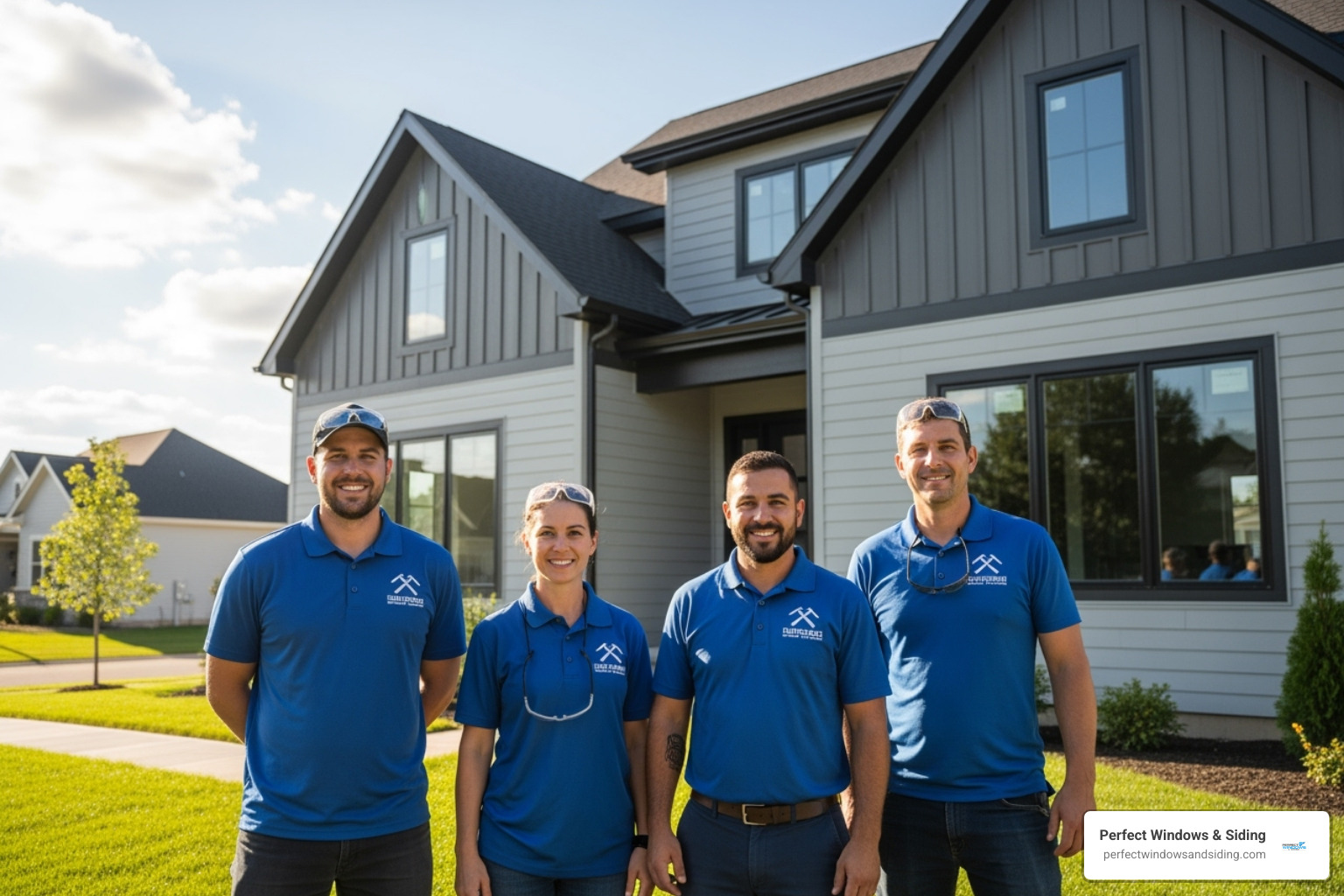
Ready to transform your home with siding that’s built to last? We’d love to provide you with a detailed, no-obligation estimate that breaks down exactly what your project will cost – no surprises, no hidden fees.
Your beautiful, lasting home exterior is just a phone call away. Contact us today for your siding replacement in Chicago, and let’s start planning the exterior change your home deserves.
Sources and next steps
James Hardie product-specific installation resources. Use these documents to understand the installation scope. Manufacturer instructions do not validate the local price estimates in this article.
Related reading: Is LP Siding Installation Worth the Investment? A Cost Analysis; Siding Swap: Your Step-by-Step Guide to Hardie Plank Replacement.
For help with a Chicago-area project, explore our fiber cement siding replacement.