

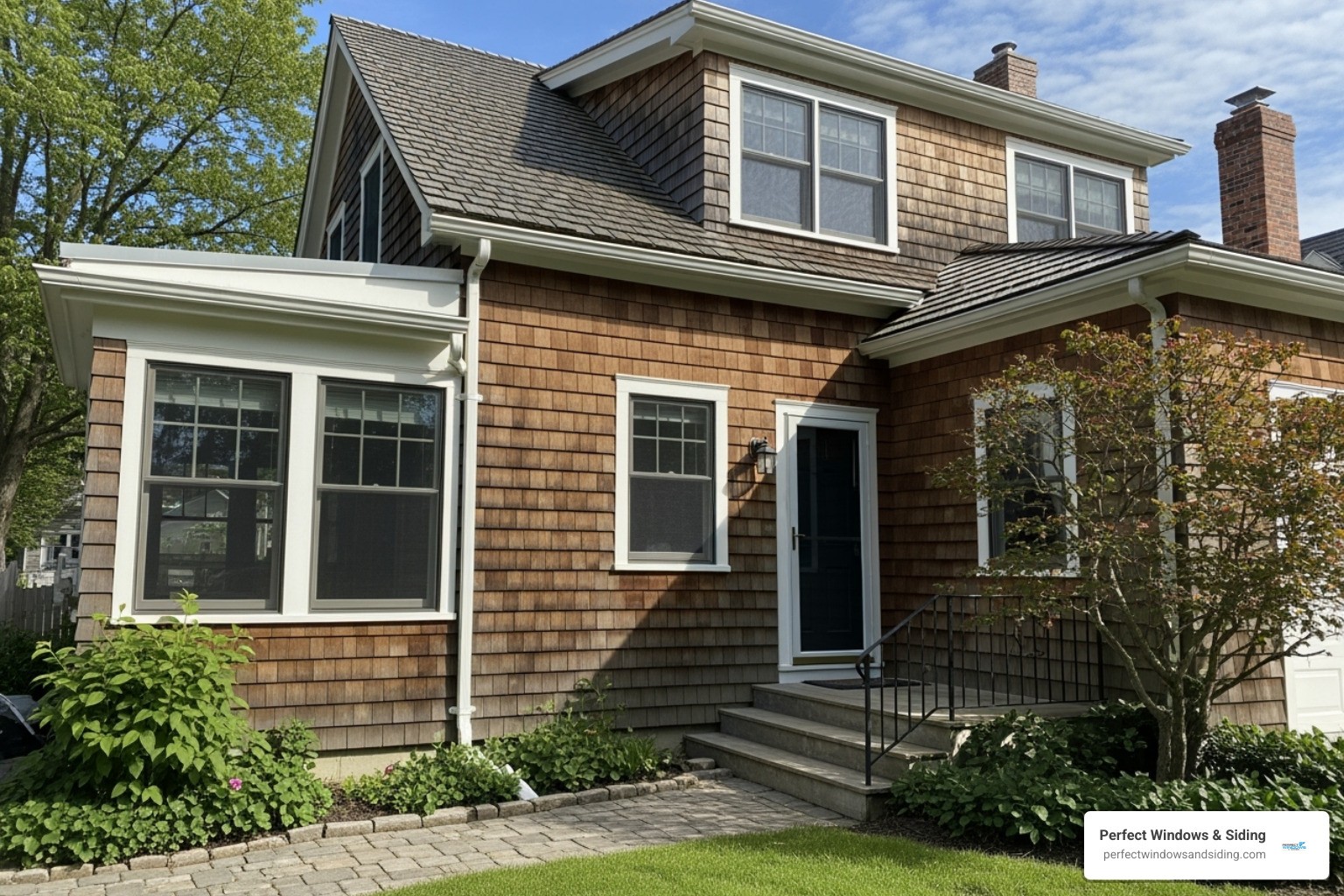
Why Wood Shingle Siding Replacement Deserves Your Attention
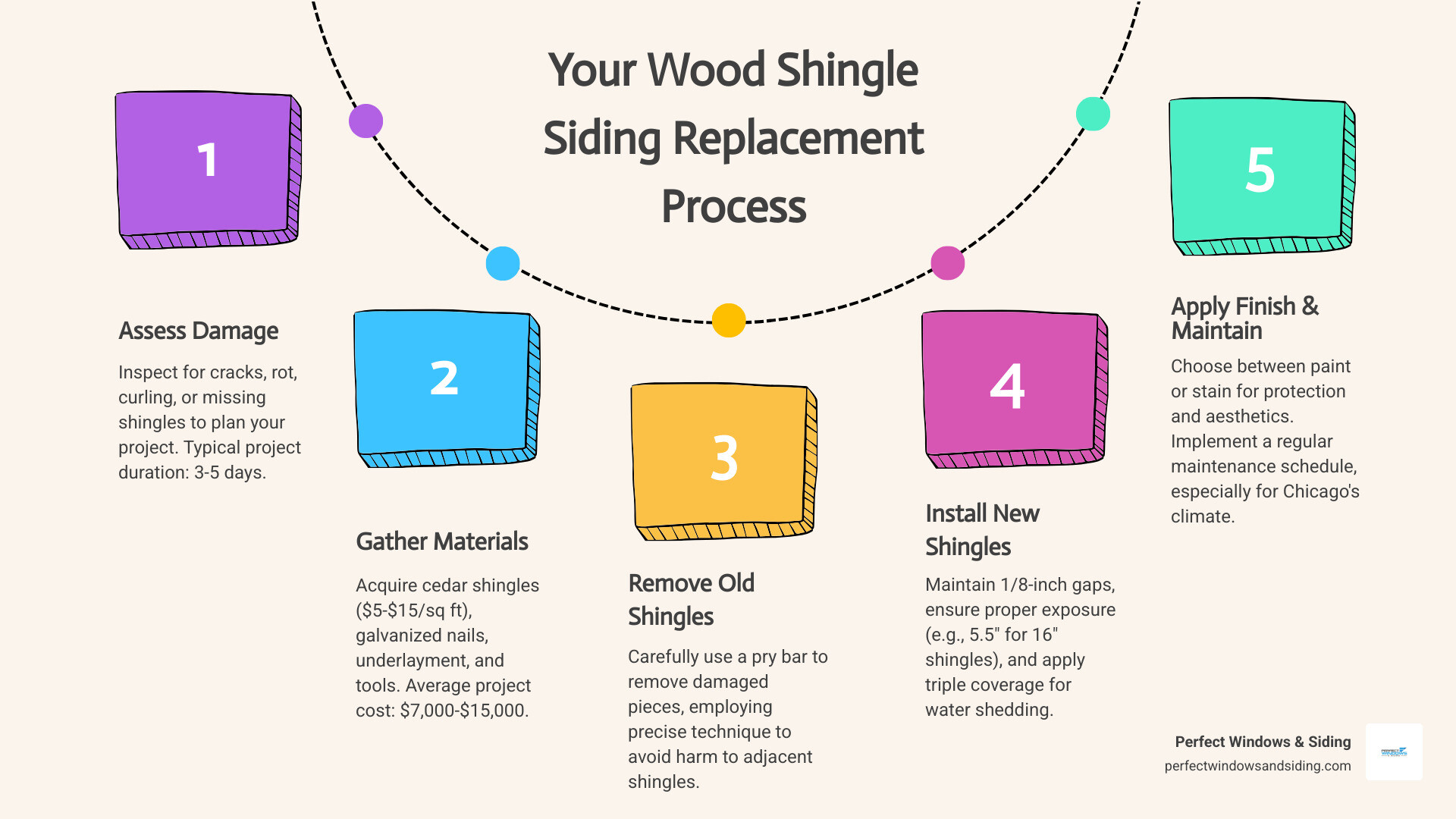
Wood shingle siding replacement is a major home improvement project that can transform your home’s appearance and boost its value by up to 85% of your investment. Here’s what you need to know about the replacement process:
Key Steps for Wood Shingle Siding Replacement:
- Assess damage – Look for cracks, rot, curling, or missing shingles
- Gather materials – Cedar shingles ($5-$15/sq ft), galvanized nails, underlayment, tools
- Remove old shingles – Use pry bar and careful technique to avoid damaging adjacent pieces
- Install new shingles – Maintain 1/8-inch gaps, proper exposure (5.5″ for 16″ shingles), and triple coverage
- Apply finish – Choose between paint or stain for protection and aesthetics
Wood shingle siding offers best natural beauty and can last 30-50 years with proper maintenance. Cedar shingles are the most popular choice due to their pest and rot resistance, especially for historic homes where authenticity matters.
The replacement process requires precision – as one expert noted, “removing a bad piece of historic wood shingle siding is a bit like a surgical process” where careful technique prevents damage to surrounding shingles.
Climate considerations matter greatly in Chicago. The harsh Midwest winters and temperature fluctuations demand proper installation techniques and quality materials to ensure your investment lasts decades.
I’m Voytek Glab, owner of Perfect Windows & Siding, and I’ve been helping Chicago-area homeowners with wood shingle siding replacement projects for over 20 years. My background in carpentry and hands-on experience ensures each project meets the highest standards for both historic preservation and modern performance.
Understanding Your Siding: Types, Costs, and Benefits
There’s something magical about wood shingle siding that other materials just can’t capture. The natural grain and unique character make wood shingle siding replacement projects consistently rank among the most rewarding home improvements.
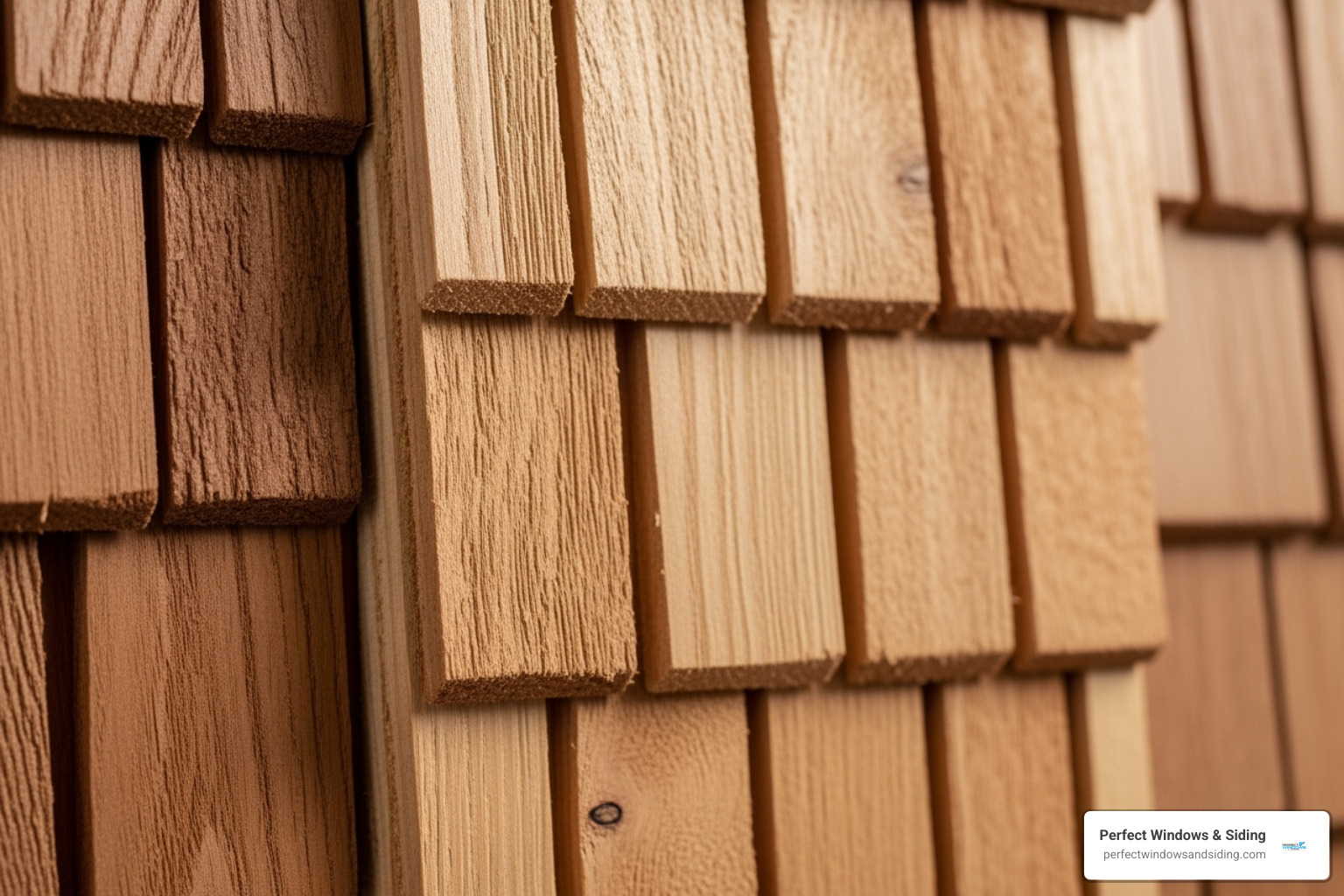
When it comes to wood species, cedar reigns supreme. Red cedar and white cedar both offer natural oils that resist insects and decay. I’ve seen cedar siding protect homes for decades, still looking beautiful with just basic care.
The big decision you’ll face is between cedar shingles and cedar shakes. Shingles are machine-cut for a smooth, uniform appearance, ideal for traditional homes. Shakes are hand-split or rough-sawn, creating a thick, textured look with rustic charm.
Here’s what gets homeowners excited: durability. Quality cedar siding typically lasts 30-50 years, and I’ve worked on homes where well-maintained cedar has pushed 75 years. That’s a lifetime of protection and beauty. Compare that to other materials, and you see why new siding is worth the investment.
Key considerations for your wood shingle siding replacement project
Let’s talk numbers. A typical wood shingle siding replacement project runs between $7,000 and $15,000 for a standard 1,500 square foot home. For our Chicago-area clients, projects range from $10,000 to $26,000 depending on home size and complexity.
Material costs sit between $5-$15 per square foot, reflecting quality and grade. “#1 Blue Label” cedar is the premium, knot-free choice, worth the cost for historic homes where authenticity matters.
Labor costs reflect the craftsmanship required. Installing cedar shingles isn’t like vinyl; it requires proper spacing, exposure, and attention to weather patterns. DIY mistakes often lead to water infiltration, making professional installation crucial.
Sourcing materials for historic homes can require detective work. Your local lumber yard is a good start, but unique profiles might need custom milling. It costs more, but maintaining historical accuracy is priceless for property value.
For a deeper dive, check out this comprehensive guide on wood siding types. And to explore all our siding options, we’re here to help.
Pros and Cons: Wood Shingles vs. Other Siding
Choosing siding can be overwhelming, so let’s compare wood shingles to other popular choices.
| Feature | Wood Shingles/Shakes | Vinyl Siding | Fiber Cement Siding |
|---|---|---|---|
| Aesthetics | Natural beauty that ages gracefully | Wide color range but lacks natural depth | Convincing wood-look with engineered durability |
| Maintenance | Regular cleaning, staining every 3-5 years | Occasional washing only | Minimal – just periodic cleaning |
| Cost | $5-$15/sq ft materials; $7,000-$15,000 total | $3-$12/sq ft installed; most budget-friendly | $9-$14/sq ft installed; premium pricing |
| Longevity | 30-50+ years with care | 20-40 years typical | 50+ years with warranties |
| Durability | Excellent but needs maintenance | Good in moderate climates | Superior resistance to elements |
Aesthetics is where wood shingles shine. There’s no substitute for real wood grain and the way cedar weathers to a beautiful silver-gray. While vinyl has improved, it can’t match the look of real wood. Fiber cement replicates texture well but lacks the authentic feel.
Maintenance is wood’s biggest challenge, requiring annual cleaning and restaining every 3-5 years to prevent rot and warping. In contrast, vinyl and fiber cement are practically maintenance-free, a huge selling point for busy homeowners.
Cost-wise, vinyl wins the upfront battle, but factor in wood’s longevity and property value boost. Fiber cement sits in the premium range alongside wood but offers superior weather resistance.
The longevity of well-maintained cedar can surprise people, often outlasting vinyl by decades. Fiber cement takes the crown here, often coming with 30-year warranties that give real peace of mind.
For Chicago homes, consider our harsh winters and temperature swings. Wood handles these beautifully when properly maintained. If you’re leaning toward other options, learn about the benefits of vinyl siding for Illinois homes or explore our Hardie Board siding installation services.
The bottom line? Choose wood shingles for natural beauty if you don’t mind regular care. Choose alternatives if low maintenance is your priority. We’ll help you make the right choice for your home and lifestyle.
The Step-by-Step Wood Shingle Siding Replacement Process
When you’re ready to tackle a wood shingle siding replacement project, proper planning makes all the difference between a frustrating weekend and a rewarding home improvement success. Whether you’re fixing a few damaged shingles or tackling a larger section, understanding the process will help you decide if this is a DIY trip or a job for the pros.
Let’s be honest – working on siding means you’ll likely be up on a ladder, and that’s where things can go sideways fast. Safety isn’t negotiable. Your ladder needs to be on solid, level ground, and you should always maintain three points of contact. Don’t stretch to reach that “just one more shingle” – move the ladder instead.
Protective gear isn’t just a suggestion. Safety glasses protect your eyes from flying wood chips and debris. Work gloves give you a better grip and protect your hands from splinters. If you’re using power tools for cutting, hearing protection is essential too. Trust me, after 20 years in this business, I’ve seen too many preventable accidents happen when people get comfortable and skip the basics.
Tools and Materials You’ll Need
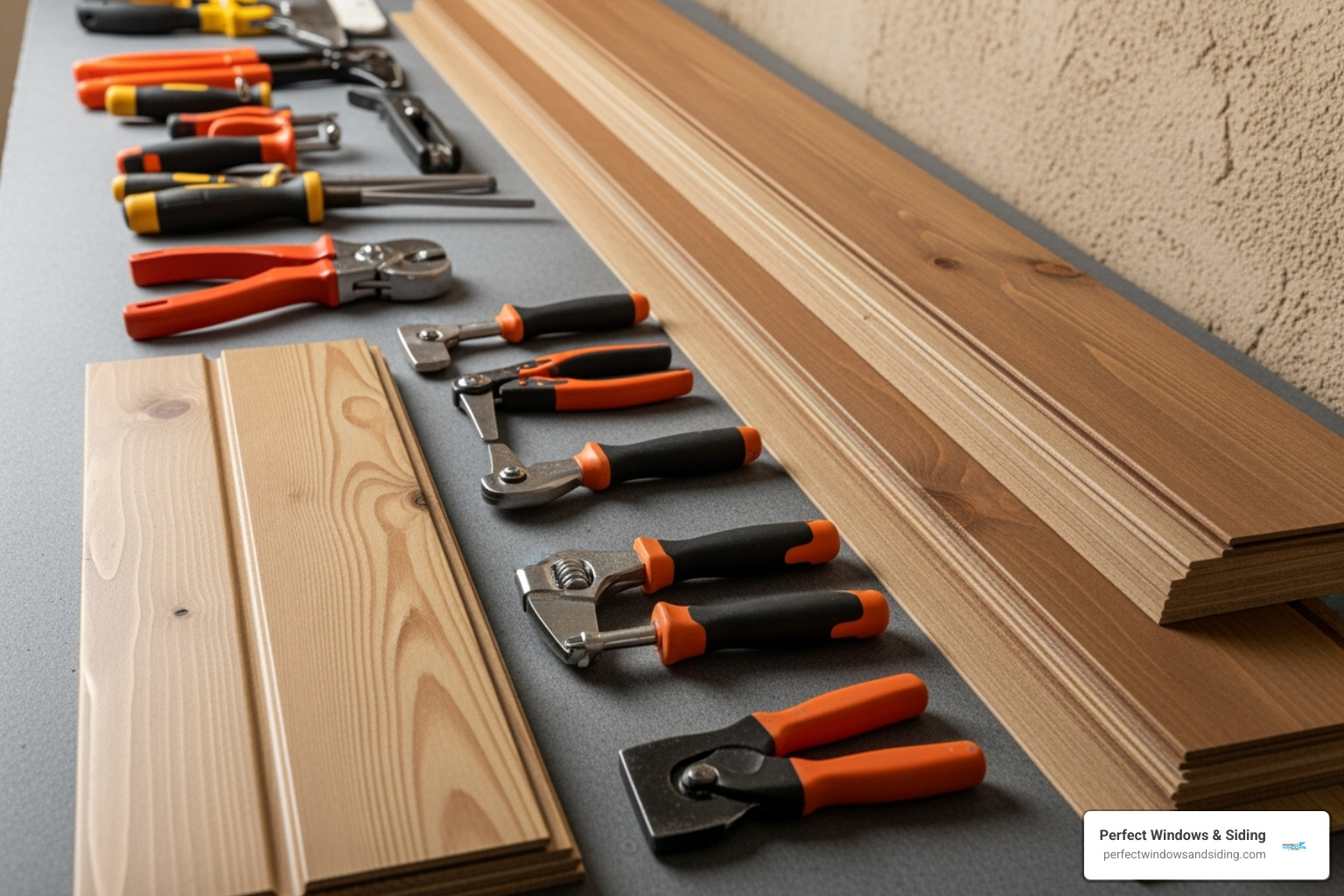
Getting organized before you start will save you countless trips up and down the ladder. Nothing’s more frustrating than getting halfway through removing a damaged shingle only to realize you forgot your pry bar downstairs.
For replacement materials, you’ll want to match your existing shingles as closely as possible. Cedar shingles come in different grades – #1 Blue Label is your premium choice with consistent quality and minimal sapwood. Always buy a few extra shingles; you’ll thank yourself later when you need them for future repairs.
Your essential tools include a sharp utility knife for scoring paint lines, a pry bar with a sharpened v-notch (wrap some duct tape around the heel to protect surrounding wood), and a good hammer. You’ll also need a chalk line for marking straight courses and galvanized nails – specifically ring shank siding nails that won’t back out over time.
Don’t forget about underlayment like 15-pound building felt or rosin paper, which allows for natural wood movement. For finishing, you’ll need primer and either stain or paint to help your new shingles blend with the existing siding.
Step 1: Assess Damage and Prepare the Work Area
Before you touch a single shingle, take a walk around your home with a critical eye. Look for cracks wider than 1/16 inch – these need replacement, while smaller cracks might just need wood filler. Curling or warped edges are red flags that moisture is getting behind the siding.
Pay special attention to discoloration or soft spots. If a shingle feels spongy when you press on it, that’s rot talking, and it needs to go. Missing or loose shingles are obvious problems, but don’t overlook the subtle signs like paint peeling in specific patterns or water stains.
Once you’ve identified the problem areas, create a safe work zone. Move anything valuable away from the work area – falling debris has a way of finding your favorite plants or outdoor furniture. If you’re working on an older home, lightly mist the area with water to control dust, especially if there might be lead-based paint involved.
Step 2: Removing Damaged Shingles
Here’s where patience pays off. Removing wood shingles, especially from historic homes, really is like surgery. Rush this step, and you’ll end up damaging perfectly good adjacent shingles.
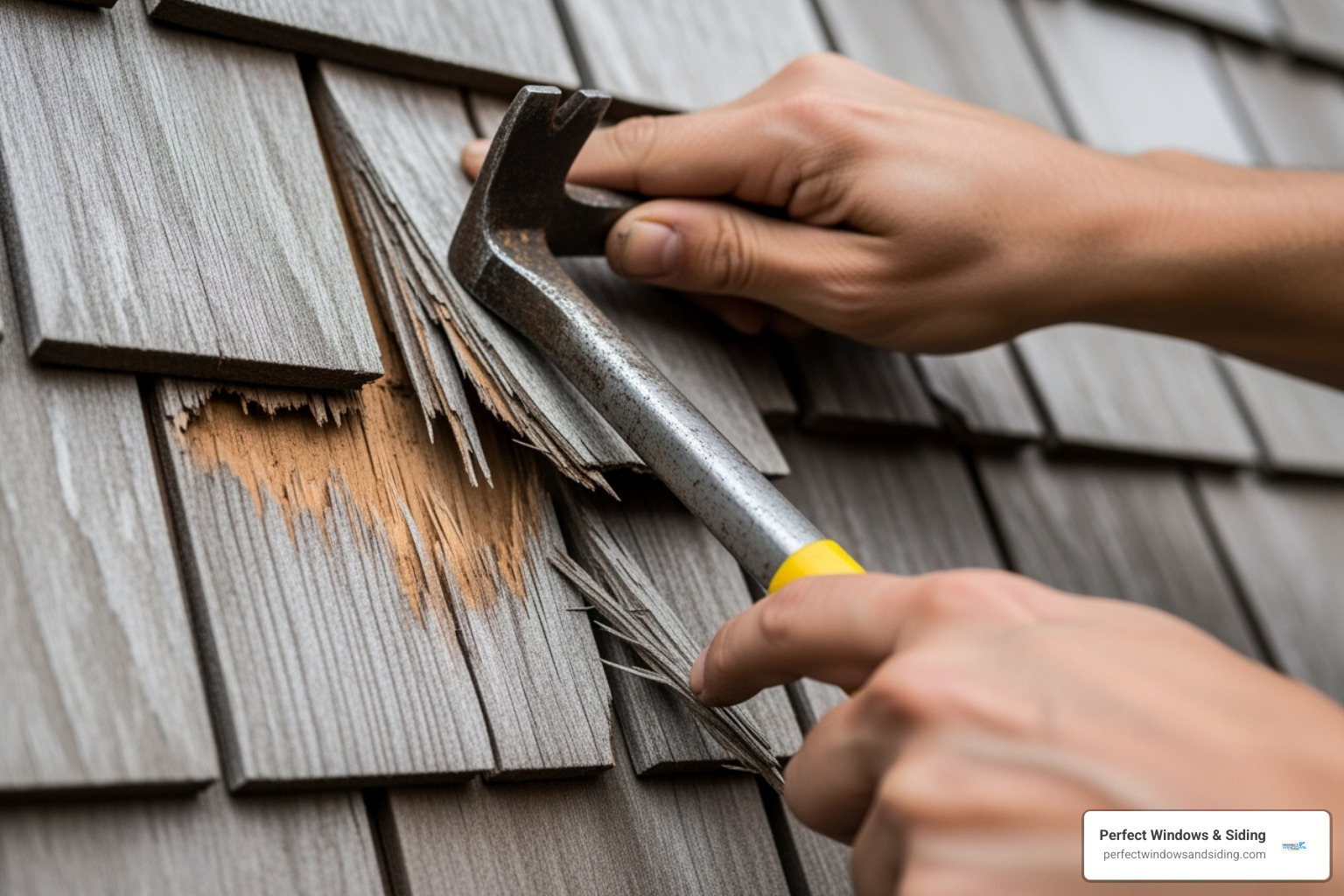
Start by scoring through any paint lines around the damaged shingle with your utility knife. This prevents you from tearing paint off the surrounding shingles – a rookie mistake that turns a simple repair into a bigger project.
Next, cut the damaged shingle horizontally across the middle. This breaks it into two manageable pieces and makes removal much easier. Now comes the tricky part: cutting the nails. Slip your modified pry bar under the shingle pieces and use the sharpened v-notch to cut through the nails holding them in place.
Work slowly and deliberately. The goal is to remove the damaged pieces without disturbing anything else. Once you’ve got the shingle out, inspect the underlying sheathing. If you find any rot or damage here, it needs to be fixed before you install new shingles – no exceptions.
For more detailed techniques on this delicate process, check out this helpful resource on Surgical Removal of Cedar Shingle Siding.
Step 3: Installing New Wood Shingles
Now for the satisfying part – installing your new shingles. This is where attention to detail really shows in the final result.
If you’ve exposed bare sheathing, install new underlayment first. Work from bottom to top, overlapping each row by at least 2 inches. This moisture barrier is crucial for long-term protection.
Cut your new shingle to fit the gap, leaving about 1/8 to 1/4 inch spacing on each side. Wood moves with temperature and humidity changes, and this gap prevents buckling and splitting.
Position the shingle about 1/4 inch lower than its final position initially. Here’s the key to professional results: nail at a 45-degree upward angle just below the bottom edge of the overlapping shingle above. Use two nails, about 3/4 inch from each edge. This technique hides the nail heads and prevents water infiltration.
For proper water shedding, maintain the correct exposure – typically around 5.5 inches for 16-inch shingles. This creates the triple coverage that makes wood shingle siding so effective at keeping water out.
Blending new with old shingles takes some artistry. You can let new shingles weather naturally over time, or stain them to match immediately. For larger repairs, alternate new and old shingles in each row for a more natural look.
When working with corners, weaving the shingles creates a clean, professional appearance. Alternate the overlap at each corner and trim flush with a block plane. It takes a bit more time, but the result looks like it was always meant to be there.
The key to successful wood shingle siding replacement is remembering that each shingle needs to shed water to the one below it. Get that right, and your repair will last for decades.
Maintaining Your New Siding for Longevity
Your wood shingle siding replacement project may be finished, but maintenance is just beginning. With the right care, your new wood shingles will protect and beautify your home for decades.
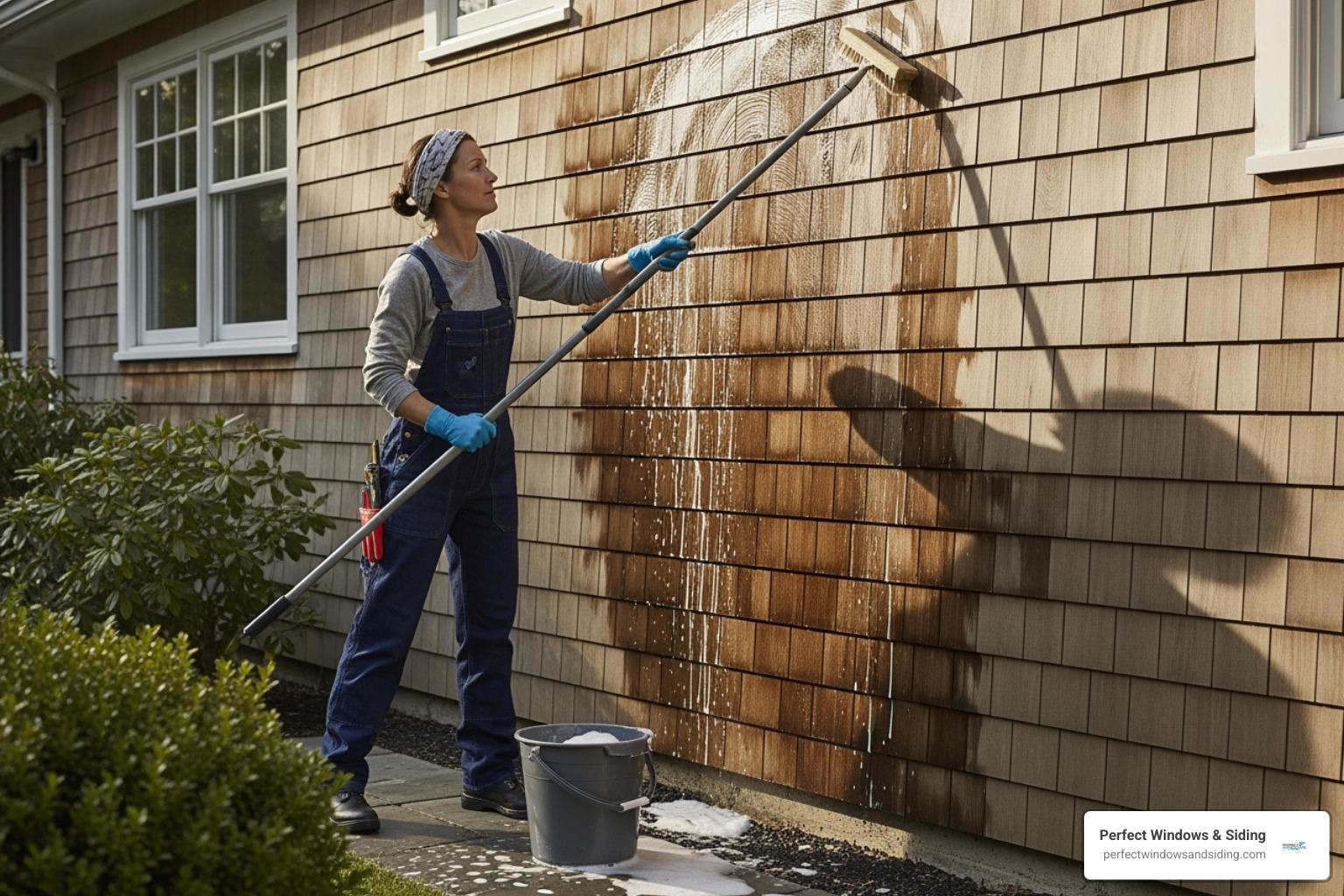
The key is a simple annual maintenance routine. I tell my clients to make spring “siding inspection season.” After a Chicago winter, walk around your home and look for new cracks, splits, loose shingles, or dark spots that might indicate mold or mildew.
Cleaning your siding is simple. A soft-bristled brush and mild detergent will remove dirt and grime that can trap moisture. Pay special attention to problem areas like under eaves, around windows, and near ground level where moisture gathers.
Here in Chicagoland, our extreme weather swings put extra stress on wood siding. Proper installation with adequate spacing is crucial. Keep gutters clean and directing water away from your siding, and ensure lawn sprinklers aren’t hitting the house.
One simple tip: trim back any vegetation touching your siding. Plants create moisture traps and highways for pests. For more seasonal wisdom, check out our Fall Maintenance Tips for Your Windows and Siding.
To Paint or To Stain? Making the Right Choice
This is a common question, and it’s a big decision that affects both the look and longevity of your siding.
Painting your wood shingles offers a uniform look and excellent protection against UV rays and moisture. However, paint sits on the wood’s surface and can eventually chip, peel, and crack with Chicago’s weather changes. This requires scraping and repainting every 5-7 years. Matching the aged patina of unpainted cedar is also nearly impossible.
Staining, on the other hand, soaks into the wood fibers. This means better durability with far less peeling. You keep the natural grain and texture, whether you choose a transparent stain or a solid color stain that gives paint-like coverage without the surface film.
For most wood shingle siding replacement projects, especially with cedar, I strongly recommend solid color stain. It penetrates the wood for lasting protection, can be matched to any color, and typically needs refreshing only every 7-10 years. The finish longevity alone makes it worth considering.
When applying paint or stain, the surface must be clean and dry. If pressure washing, be gentle and spray from top to bottom to avoid damaging the wood grain.
Addressing Common Problems
Even with perfect installation and maintenance, issues can arise. The good news? Most problems are manageable if caught early.
Moisture damage is enemy number one. Watch for discoloration, dark streaks, or soft, spongy wood. This can lead to rot and mold. Ensure proper flashing around windows and doors, and keep water draining away from your foundation.
Pest control is less of an issue with cedar’s natural resistance, but other woods can attract carpenter ants or termites. Regular inspections help you spot trouble early—look for wood dust or small holes.
Warping and splitting happen as wood reacts to sun, moisture, and temperature. Warped shingles create gaps for rain, while splits expose the wood’s interior. Small splits less than 1/16-inch can be filled, but larger damage means replacement.
For repairing minor damage, follow the same careful removal and installation process. Keep spare shingles from your original installation—they’ll weather and age with the rest of your siding, making repairs nearly invisible.
The bottom line? Proactive maintenance and quick attention to small problems will keep your wood shingle siding replacement looking great and protecting your home for decades. When in doubt, call us—a professional eye can spot potential issues before they become expensive problems.
Frequently Asked Questions about Wood Shingle Siding
Over the years, we’ve noticed that homeowners tend to ask us the same questions about wood shingle siding replacement projects. It makes sense – this is a significant investment, and you want to make sure you’re making the right choices for your home. Let me share the answers to the questions we hear most often.
What is the difference between cedar shingles and cedar shakes?
This question comes up in almost every consultation, and I completely understand the confusion. While people often use these terms interchangeably, there’s actually a meaningful difference that affects both the look and performance of your siding.
Cedar shingles are the more refined option. They’re cut with precision saws in a mill, creating thin, smooth pieces with uniform thickness. This manufacturing process gives them a clean, consistent appearance that works beautifully on traditional and formal architectural styles. Think of them as the “dress shirt” of wood siding – polished and professional.
Cedar shakes, on the other hand, are the rugged cousins. They’re thicker and have that wonderful textured, rustic appearance that comes from being hand-split or re-sawn from logs. This process creates natural variations in thickness and surface texture that give your home a more organic, lived-in character. The extra thickness also makes them incredibly durable – they’re built to handle whatever Mother Nature throws at them.
Both options offer excellent protection and that timeless cedar beauty that ages so gracefully. Your choice really comes down to the architectural style of your home and whether you prefer that refined look or the more rustic, natural aesthetic.
How long does wood shingle siding last?
This is probably the most practical question we get, and rightfully so. When you’re investing in wood shingle siding replacement, you want to know what kind of lifespan you’re looking at.
With proper care and regular maintenance, wood shingle siding typically lasts between 30 to 50 years. That’s a pretty impressive lifespan for any exterior material, especially one that looks as beautiful as wood shingles do.
Cedar siding, which is our most popular choice, can be even more impressive. We’ve seen well-maintained cedar installations last up to 75 years. Some other durable woods, like cypress, have been known to reach the century mark with meticulous care, though that’s exceptional.
The key word here is “maintenance.” Wood shingles aren’t a “set it and forget it” material like vinyl might be. They need regular cleaning, periodic inspections, and timely re-treatments to reach their full potential. But when you consider that properly maintained wood siding can protect and beautify your home for decades, many homeowners find it’s worth the extra attention.
Here in Chicago, our harsh winters and humid summers can be tough on any exterior material. That’s why we always emphasize proper installation techniques and quality materials – they make all the difference in longevity.
When should I hire a professional for siding work?
I love that homeowners want to tackle projects themselves – there’s real satisfaction in working with your hands on your own home. And honestly, replacing a single damaged shingle can be a great DIY project if you’re handy and comfortable with basic carpentry.
But there are definitely situations where calling in professionals is the smart move. Extensive damage is the big one – if you’re looking at multiple damaged shingles, rot that extends to the sheathing, or structural issues, that’s beyond most DIY comfort zones. These problems require specialized knowledge to diagnose and repair properly.
Safety is another major factor. If the work involves significant ladder time or scaffolding, the risks can quickly outweigh the potential savings. We have the right equipment and years of experience working safely at height – it’s just not worth risking a serious injury.
Full siding replacement is definitely professional territory. It’s an enormous undertaking that requires specialized tools, techniques for proper water shedding, and the experience to achieve consistent, professional results. Plus, many manufacturers’ warranties require professional installation.
There’s also the aesthetic challenge. Blending new shingles with weathered existing ones, especially on historic homes, is both an art and a science. We know how to “feather in” new materials and match finishes so the repair is virtually invisible.
Finally, consider your time and peace of mind. Cedar shingles aren’t cheap, and mistakes can be costly. With our 20+ years of experience in Chicagoland’s unique climate, we can ensure your wood shingle siding replacement is done right the first time, with the quality and warranty protection you deserve.
Conclusion
Completing a wood shingle siding replacement project is truly one of those home improvements that keeps giving back. Not only does it transform your home’s appearance with that timeless, natural beauty that only gets better with age, but it also provides solid protection against our unpredictable Chicago weather while boosting your property value significantly.
Throughout this guide, we’ve covered everything from choosing the right cedar shingles and understanding the costs involved to mastering the installation process and keeping your investment looking great for decades. The key takeaway? Quality installation and consistent maintenance are what separate a good siding job from a great one that lasts 30-50 years or more.
While replacing a single damaged shingle can be a satisfying weekend DIY project, large-scale damage or a complete home exterior replacement calls for professional expertise. These bigger projects involve safety concerns when working at height, specialized techniques for proper water shedding, and the experience needed to blend new materials seamlessly with existing siding – especially important for historic homes.
Here at Perfect Windows & Siding, we’ve been helping Chicago-area homeowners with wood shingle siding replacement projects for over 20 years. As a local, family-owned business, we understand exactly what our Midwest climate demands from your siding. Our commitment to quality comes with a lifetime warranty, and we take pride in delivering custom solutions custom to each home’s unique character and needs.
Whether you’re dealing with a few damaged shingles or considering a complete exterior makeover, we’re here to help you steer the process. Our team knows how to work with historic profiles, source quality materials, and ensure your new siding performs beautifully through Chicago’s temperature swings and seasonal challenges.
Ready to improve your home’s curb appeal and long-term value with beautiful wood shingle siding? We’d love to discuss your project and show you how our expertise can bring your vision to life. Contact us for your Chicago siding replacement project and let’s get started on protecting and beautifying your home for years to come.