

What is the Value of Commercial Window Replacement in 2026?
Commercial window replacement investment typically depends on material, glass type, building height, and project complexity.
Here’s a quick overview of the factors that influence your project:
- Project Scope: From single storefront windows to full multi-story curtain wall systems.
- Material Choice: Options ranging from standard vinyl and thermal-break aluminum to high-performance fiberglass and architectural steel.
- Building Logistics: Ground-level retail vs. high-rise office elevations requiring specialized equipment.
- Glass Technology: High-performance coatings, tempered safety glass, and multi-pane insulated units.
These variables can shift significantly based on where your building is, how tall it is, and what glass specifications your local building codes require.
For Chicago-area commercial properties, factors like wind load ratings, energy efficiency mandates, and urban labor rates influence the total investment. A simple one-story retail storefront replacement is a very different project from a multi-story office building — in scope, complexity, and long-term value.
That’s the short answer. But if you’re planning a real project, the details matter a lot.
I’m Voytek Glab, owner of Perfect Windows & Siding, and with over 20 years of hands-on exterior remodeling experience across the Chicagoland area, I’ve helped countless business owners navigate commercial window replacement investment decisions — from single storefronts to larger multi-window projects. In this guide, I’ll walk you through every factor that affects your investment so you can plan with confidence.
Key Factors Influencing Commercial Window Replacement Investment
When we sit down with property managers in Des Plaines or business owners in Park Ridge, the first thing we discuss isn’t just a budget—it’s the scope of the investment. Commercial projects are vastly more complex than residential ones. In 2026, the architectural landscape has shifted toward high-performance envelopes, as detailed by the National Fenestration Rating Council (NFRC), meaning your windows are no longer just “glass in a frame”; they are critical components of your building’s mechanical and structural systems.
Building Height and Elevation Challenges
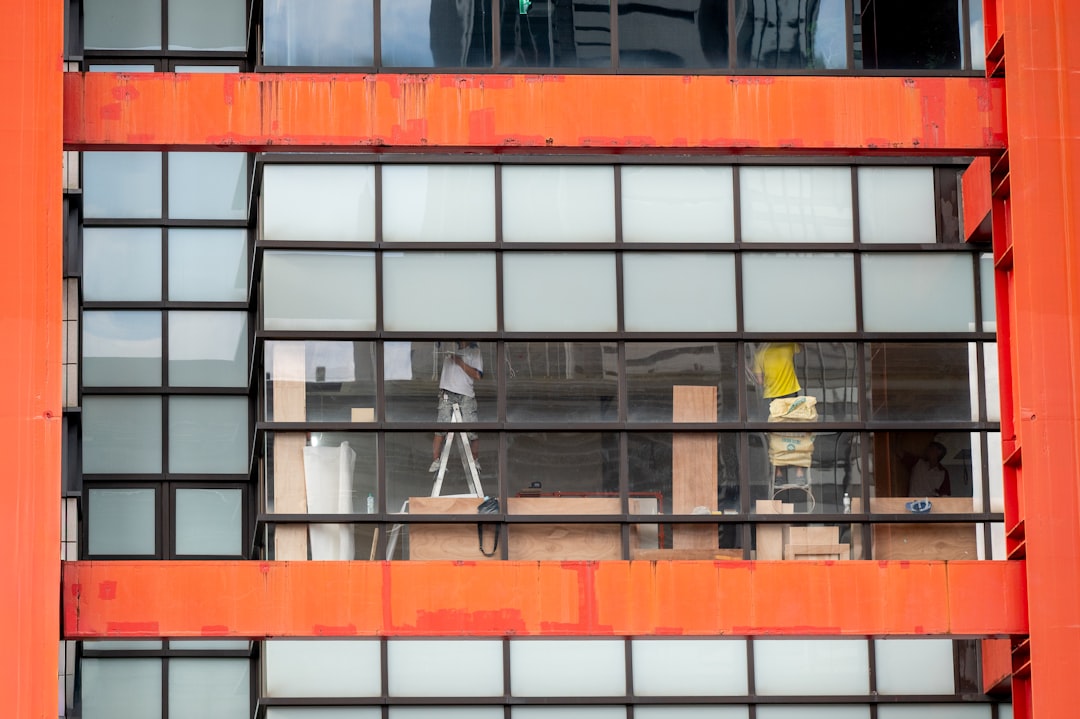
One of the most significant variables we encounter is the “floor factor.” Replacing a ground-floor storefront in Morton Grove is straightforward. However, as we move up the Chicago skyline, the logistics change. For buildings over three stories, we often need specialized access equipment. This might include:
- Scaffolding or power-operated platforms.
- Cranes for hoisting large glass lites.
- Specialized glazing suction lifts.
These requirements can increase the labor portion of your project significantly compared to ground-level work.
Structural Integrity and Scale
Before a single window is ordered, a professional assessment is mandatory. We look at the structural integrity of the existing openings. In many older Chicagoland buildings, we find that the lintels (the beams above the windows) have rusted or the masonry has shifted. Addressing these structural issues is vital to ensure your new windows don’t leak or crack under pressure.
Furthermore, the scale of the project dictates the efficiency of the workflow. While a single window replacement carries a higher per-unit overhead, large-scale projects involving 50 or more windows allow for volume-based logistics. Understanding Commercial Window Replacement Factors involves looking at the project as a holistic upgrade rather than a series of individual fixes.

Custom Sizing and Zoning
Commercial openings are rarely “standard.” Whether you have a historic brick-and-mortar shop in Wilmette or a modern office in Schaumburg, custom sizing is the norm. Additionally, local permit and zoning requirements in the Chicago area are stringent. We handle the heavy lifting of ensuring every unit meets the specific wind load and energy codes for your exact zip code.
Material Selection and Long-Term Performance
The material you choose for your frames will dictate the lifespan of your investment. In the commercial world, durability is king.
- Thermal-Break Aluminum Systems: This is the gold standard for most commercial applications. Aluminum is incredibly strong and lightweight, but it’s a natural conductor of heat. We use “thermal breaks”—insulating strips between the inside and outside of the frame—to prevent Chicago’s winter chill from entering your building.
- Fiberglass: Growing in popularity for 2026, fiberglass offers the best expansion and contraction rates. It stays stable whether it’s -20°F in January or 95°F in July. It’s also virtually maintenance-free.
- High-Performance Vinyl: For smaller commercial properties or multi-family units in suburbs like Arlington Heights, vinyl remains a reliable, high-value option. Modern commercial-grade vinyl is reinforced to handle higher wind loads than residential versions.
- Architectural Steel: Usually reserved for high-end retail or historic restorations, steel offers the thinnest sightlines and maximum strength.
How Much Does Window Replacement Cost often comes down to the balance between initial material choice and the 30-year maintenance cycle.
Glass Specifications and Energy Efficiency
In 2026, the glass itself is a piece of technology. The “glass package” you select can account for a significant portion of the total commercial window replacement investment.
- Low-E Coatings: These microscopic layers reflect infrared light. In the summer, they keep the heat out; in the winter, they bounce heat back into your rooms.
- Tempered Safety Glass: Required by code for any glass near doors or floor-to-ceiling panels. It’s four times stronger than standard glass.
- Laminated Security Glazing: Often used for storefronts in high-traffic areas, this glass stays in the frame even if shattered, providing a major deterrent to smash-and-grab attempts.
- Multi-Pane Insulated Glass Units (IGUs): Most commercial windows now use double or even triple-pane units filled with Argon or Krypton gas for maximum insulation.
For a deeper dive into how these choices affect your utility bills, check out our Energy Efficient Windows Guide.
Installation Complexity and Professional Labor Requirements
A window is only as good as the hands that install it. In the commercial sector, labor isn’t just about putting a unit in a hole; it’s about engineering and safety.
Expert Labor and Chicago Building Codes
The Chicago skyline presents unique challenges. Wind loads at the 10th floor are significantly higher than at street level. Our team performs precise wind load calculations to ensure the glass and the anchoring systems can withstand Lake Michigan’s strongest gusts. We adhere strictly to Illinois building codes, which have become increasingly focused on the “continuous air barrier”—ensuring no air leaks around the window perimeter.

Comparing Installation Methods
There are two primary ways we approach a commercial replacement:
| Method | Description | Best For |
|---|---|---|
| Full-Frame Installation | We remove everything down to the rough opening, including the old frame and trim. | Buildings with rotted frames or those seeking maximum energy efficiency. |
| Retrofit (Pocket) Installation | The new window is tucked into the existing frame. | Historic buildings where exterior trim must be preserved and the existing frame is structurally sound. |
Site Access and Regional Logistics
Logistics in the Chicagoland area require a local touch. Staging a project in downtown Chicago is a world away from a project in the wide-open commercial corridors of Morton Grove or Elk Grove Village.
- Urban Density: In the city, we often have to coordinate street closures or “sidewalk canopies” to protect pedestrians.
- Business Continuity: We understand that your business can’t just stop. We often perform “phased installations” or specialized night/weekend work for retail clients to minimize disruption.
- Staging Areas: For large projects in suburbs like Des Plaines or Park Ridge, we manage the delivery and storage of units to ensure the job site remains clean and organized.
Structural Integrity and Professional Assessments
We don’t just “swap glass.” A professional assessment includes checking for masonry damage or lintel failure. If we find that the brickwork around your windows is crumbling, we address it then and there. We also provide professional board-up services if a project requires a multi-day transition, ensuring your property remains secure every night.
To understand the full scope of what we look for during an on-site evaluation, see our page on Comprehensive Window Replacement Services.
Long-Term Value and ROI of High-Performance Windows
While the initial commercial window replacement investment is a capital expenditure, the long-term return on investment (ROI) is where the real value lies.
HVAC Efficiency and Load Reduction
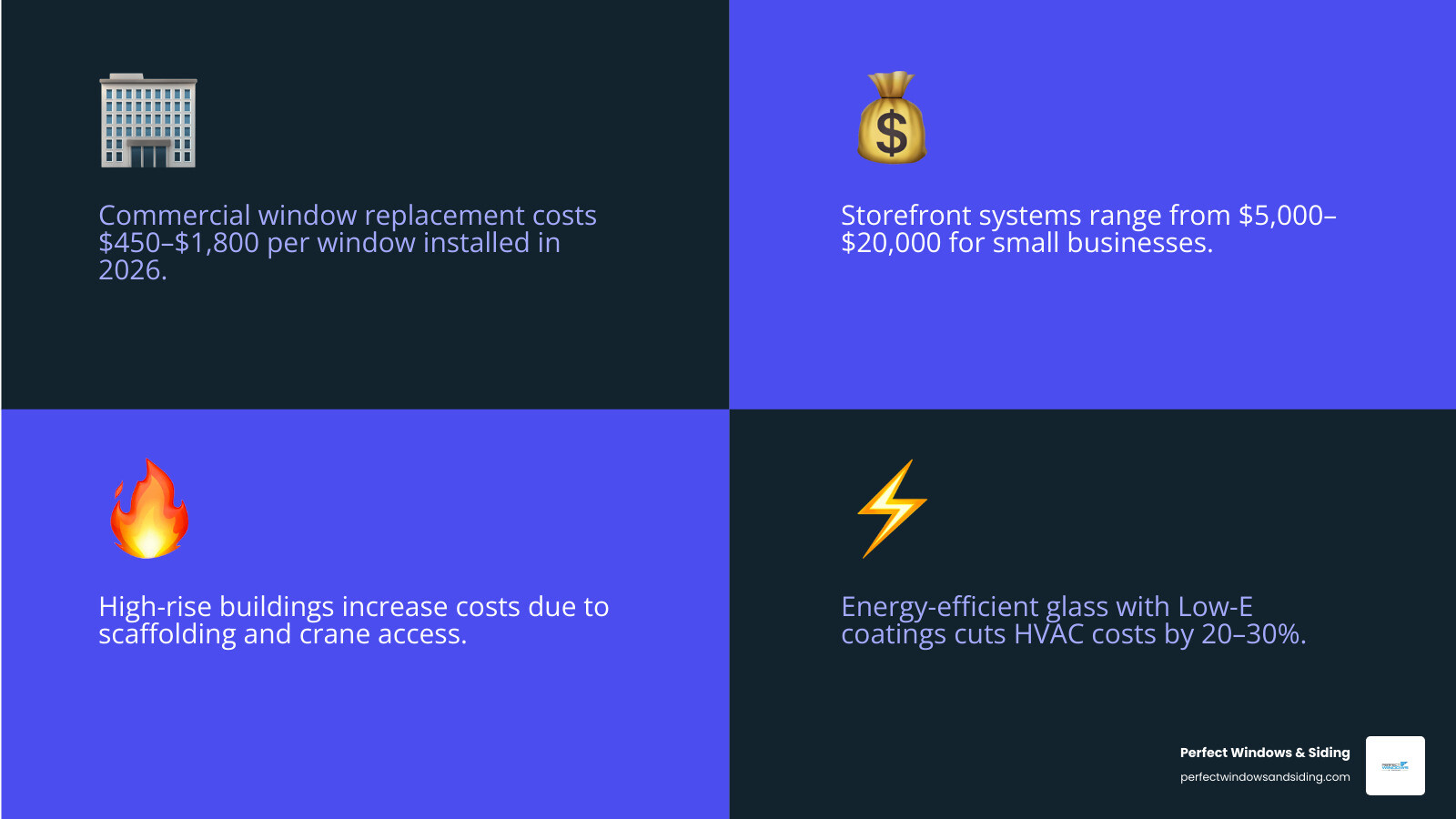
Old, leaky windows act like a giant hole in your building’s envelope. Modern high-performance windows can reduce the load on your HVAC system by 15% to 30%. In some cases, this allows property owners to optimize their heating and cooling units when it comes time for an HVAC upgrade.
Tenant Retention and Comfort
If you manage an office building in Skokie or a multi-family complex in Northbrook, your tenants’ comfort is your top priority. Drafty windows and outside noise are the leading causes of tenant turnover. High-performance glass units with superior STC (Sound Transmission Class) ratings can turn a noisy urban office into a quiet, productive sanctuary.
Property Appraisal and Curb Appeal
First impressions matter. A retail storefront with clear, energy-efficient glass looks modern and inviting. Beyond aesthetics, updated windows significantly increase the appraised value of the property, making it a smarter asset for your portfolio.
For those looking for a local partner who understands these regional nuances, it helps to find Window Replacement Expertise Near Me.
Frequently Asked Questions about Commercial Windows
When should I choose repair over replacement?
We generally evaluate the long-term viability of the unit. If the repairs needed for a commercial window (fixing seals, replacing hardware, or re-caulking) are extensive, a full replacement is often the more sustainable choice. We also look for seal failure (fogging between the panes) and frame integrity. If the frame is warped or rotted, a repair is only a temporary solution.
How do Chicago building codes impact my project?
Chicago has some of the most specific wind load and safety glazing requirements in the country. Any window within 18 inches of the floor or near a door must be tempered. Furthermore, updated energy mandates in 2026 require lower U-factors (a measure of heat loss) than ever before. We ensure your project is fully compliant to avoid any issues with city inspections.
What is the typical timeline for a commercial project?
A typical project follows this path:
- Consultation and Measurement: 1 week.
- Manufacturing: Custom commercial units typically take 8 to 12 weeks, depending on the material.
- Permitting: 2 to 4 weeks depending on the municipality (Chicago, Des Plaines, etc.).
- Installation: Anywhere from a few days for a small storefront to several weeks for a multi-story building.
Conclusion
Navigating your commercial window replacement investment in 2026 requires a partner who understands the intersection of engineering, aesthetics, and local regulations. At Perfect Windows & Siding, we aren’t just installers; we are Chicago’s commercial exterior experts.
As a family-owned business with over 20 years of experience, we bring a level of personalized service that big national firms simply can’t match. We stand behind our work with a lifetime warranty on craftsmanship, ensuring your investment is protected for decades to come. Whether your property is in the heart of Chicago, the commercial hubs of Schaumburg and Hoffman Estates, or the quiet streets of Wilmette and Winnetka, we have the local authority to get the job done right.
Quality isn’t just a buzzword for us—it’s how we’ve built our reputation from Buffalo Grove to Elmhurst. When you’re ready to upgrade your building’s performance and value, we’re here to help.
Schedule your consultation today for a professional estimate and let’s discuss how we can enhance your commercial property.