

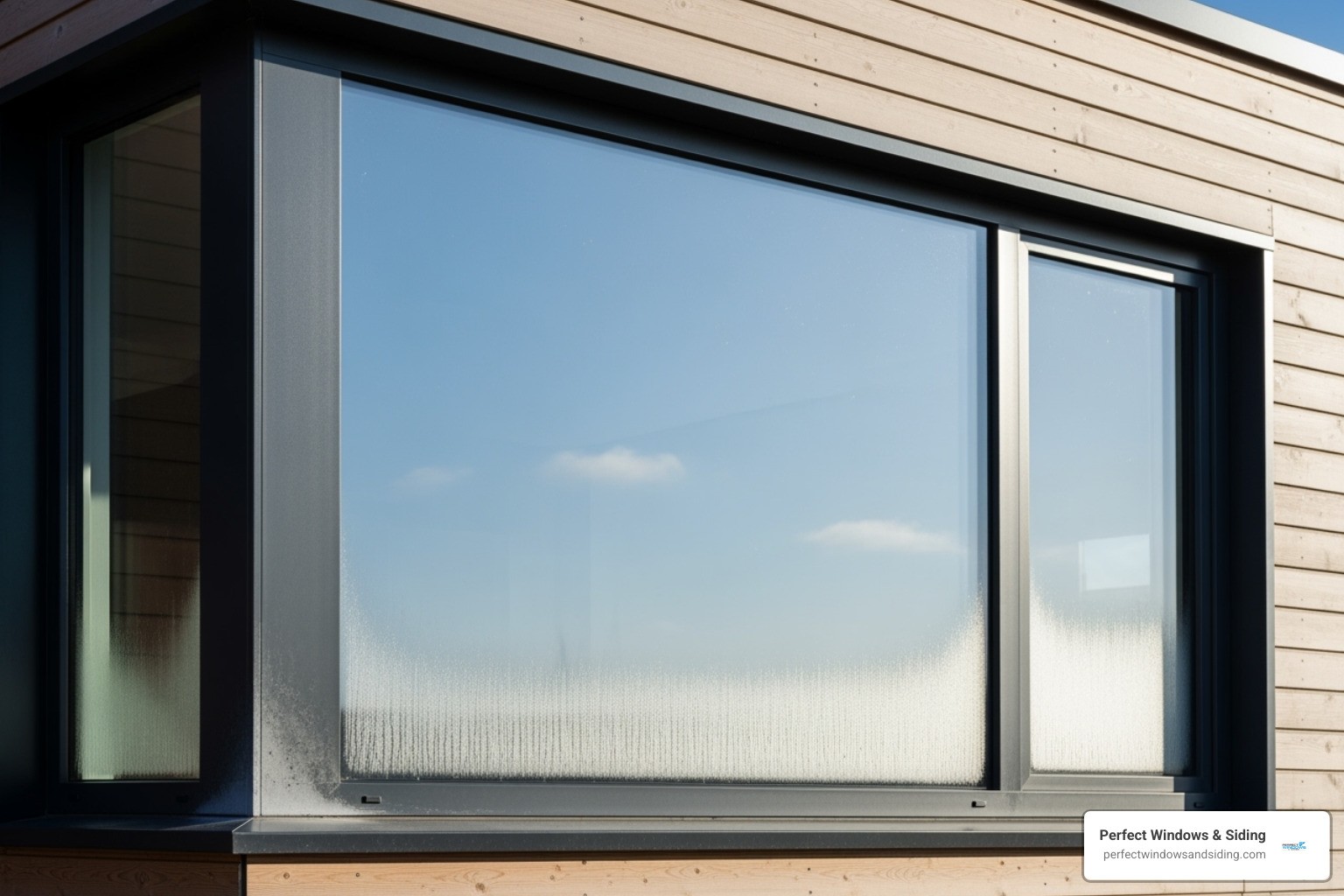
Understanding What You’ll Pay for Better Home Comfort
Energy efficient windows cost between $300 and $1,000 per window on average, with the total investment depending on several key factors.
Quick Cost Breakdown:
- Average per window: $300-$1,000 (materials only)
- With installation: $400-$3,000 per window
- Whole house (15-20 windows): $6,000-$50,000+
- Double-pane windows: $150-$1,290 installed
- Triple-pane windows: $400-$3,540 installed
The wide price range reflects differences in window size, frame material, glass features, and installation complexity. While the upfront cost is a factor, these windows can reduce energy bills by 12% on average, saving $100 to $600 annually.
For many Chicago homeowners, about 25-30% of heating and cooling energy escapes through windows. This means you’re paying to heat or cool the outdoors.
The energy efficient windows cost is an investment in advanced features like Low-E coatings, multiple glass panes, and insulating gas fills. These technologies keep heated air inside during harsh Chicago winters and cooled air inside during hot summers.
I’m Voytek Glab, owner of Perfect Windows & Siding. For over 20 years, I’ve helped Chicago-area homeowners understand the costs and benefits of energy-efficient windows. I’ve seen how the right windows transform a home’s comfort and energy bills.
Breaking Down the Average Energy-Efficient Windows Cost
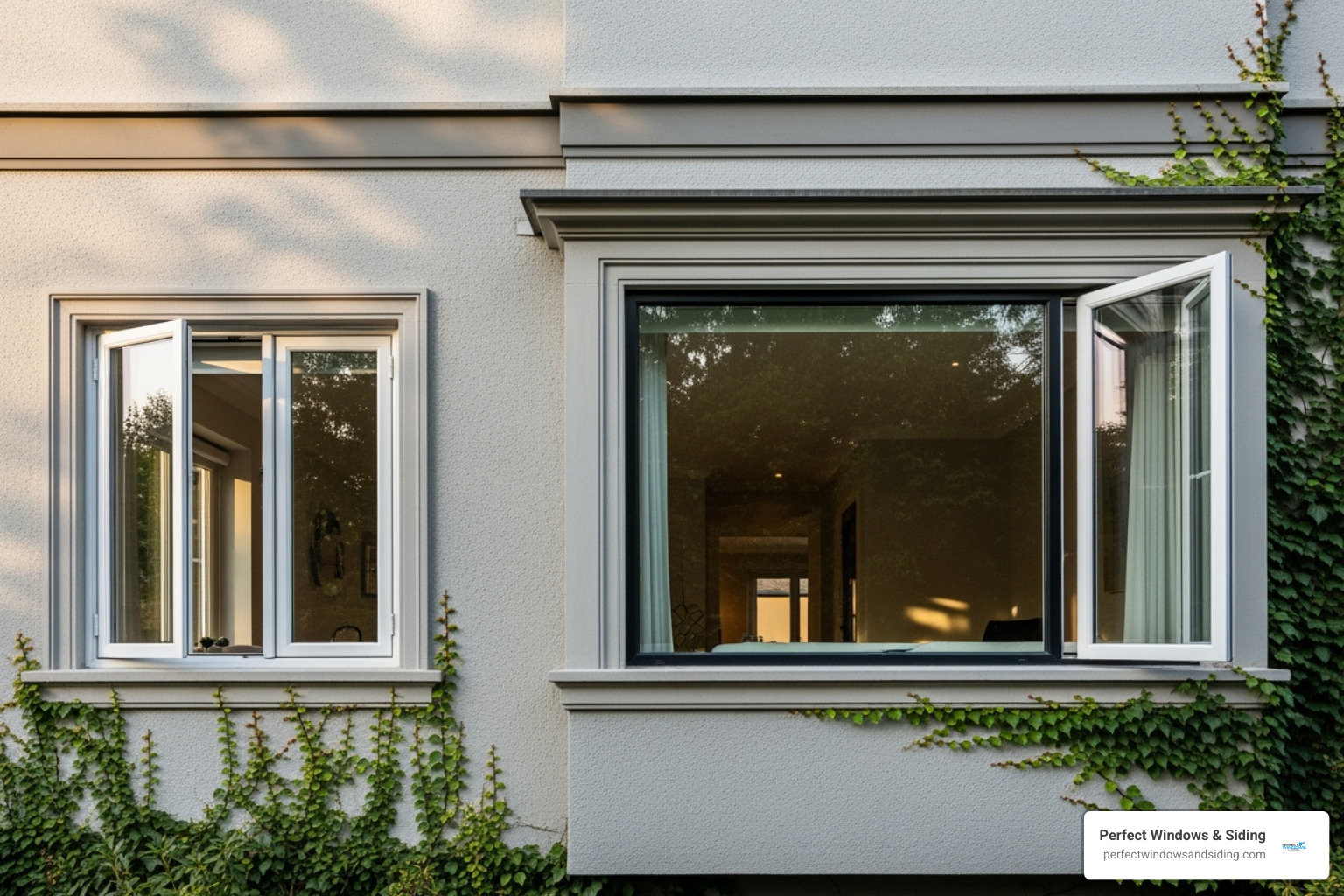
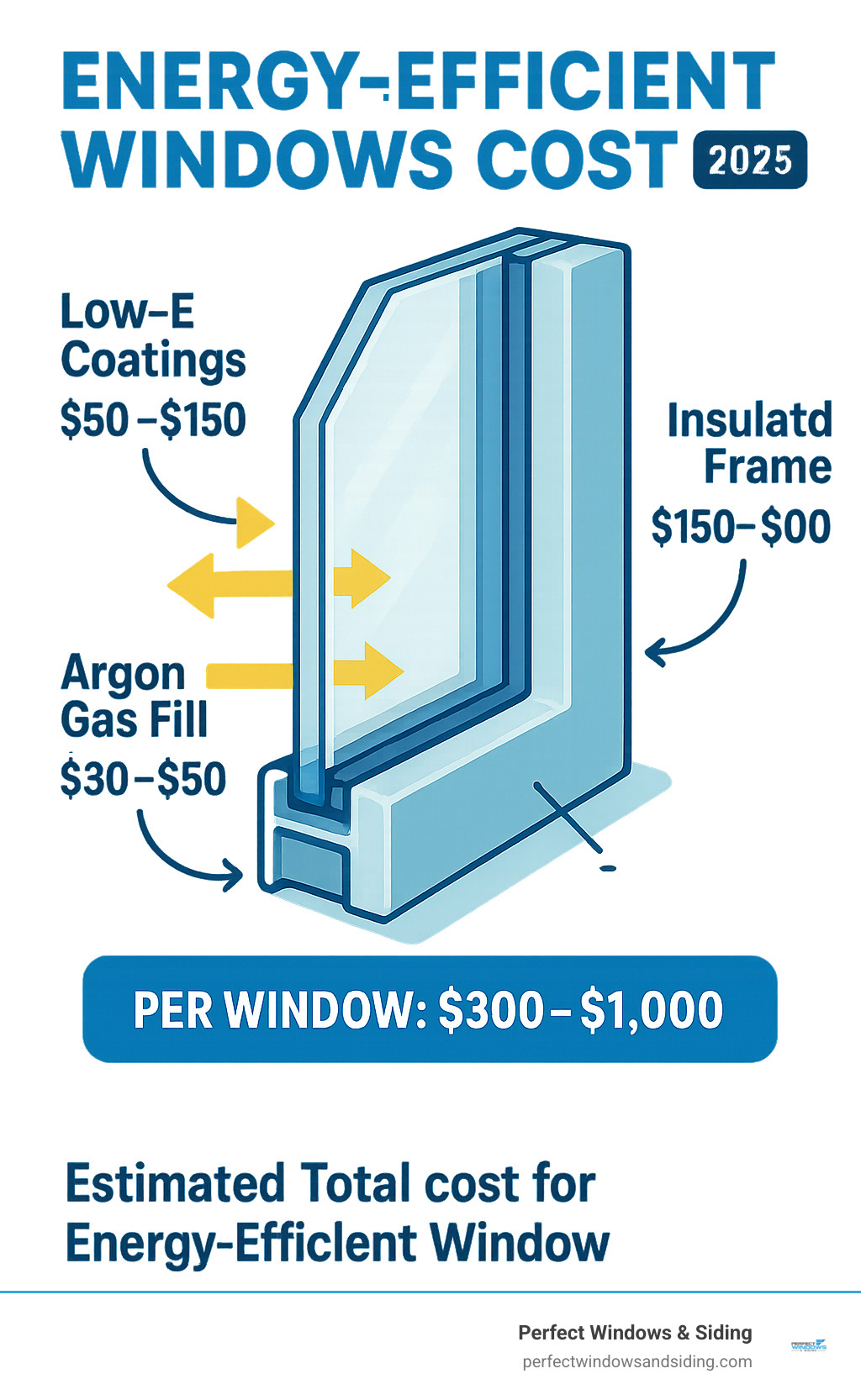
Shopping for energy-efficient windows is an investment in high-tech barriers against Chicago’s wild weather. The national average energy efficient windows cost is $300 to $1,000 per window for materials alone. With professional installation, the price is $400 to $3,000 per window. A whole-house project (15-20 windows) typically runs $6,000 to $50,000.
Installation labor adds $100 to $300 per window for standard projects. However, second-story windows or jobs requiring structural work can increase labor costs to $600 per window. Unlike standard windows, energy-efficient models create a thermal seal that prevents energy loss.
Key Factors That Influence the Energy-Efficient Windows Cost
Several factors determine your final energy efficient windows cost.
- Window size: Larger windows require more materials and labor. A small 24″x36″ window might cost $150-$350, while a large 48″x60″ window can run $350-$750.
- Window style: Simple designs like picture windows are less expensive than complex bay or bow windows. Each style has unique engineering requirements affecting the price. For looks that match your home’s character, see our custom window designs.
- Number of panes: Double-pane windows ($150 to $1,290 installed) are the standard for energy efficiency. Triple-pane windows ($400 to $3,540 installed) cost about $200 more per window but are excellent for Chicago’s harsh winters.
- Glass features: Low-E coatings add $50 to $300 per window to reflect heat. Gas fills like argon add $200 to $350 per window to boost insulation. These features are crucial for performance.
- Installation complexity: Straightforward replacements are less costly than projects involving structural repairs or hard-to-reach locations.
Cost Comparison by Window Frame Material
Your frame choice balances energy efficient windows cost with performance and maintenance.
- Vinyl: $200 to $800 installed. A budget-friendly, low-maintenance option with good insulation. Foam-filled frames add about $50 per window for better performance.
- Wood: $300 to $1,600 installed. Offers natural beauty and excellent insulation but requires regular maintenance to prevent rot.
- Fiberglass: $500 to $2,700 installed. Resists warping and weather damage while providing excellent energy efficiency. Learn more about our fiberglass replacement windows.
- Composite: $400 to $2,500 installed. Blends materials for durability and good insulation, often mimicking wood’s look without the upkeep.
- Aluminum: $200 to $1,600 installed. Strong but less energy-efficient unless thermally broken.
Typical Energy-Efficient Windows Cost by Style
Different window styles affect your energy efficient windows cost and performance.
- Double-hung: $500 to $1,000. A classic choice with two moving sashes for versatile ventilation. See our double hung windows selection.
- Casement: $500 to $1,000. Cranks open to create a very tight seal, making them energy efficiency champions. Check out our casement window options.
- Picture: $250 to $650. Fixed units that don’t open, eliminating air leaks and offering great views. Browse our picture windows.
- Awning: $500 to $1,000. Hinged at the top to allow ventilation even in light rain. Explore our awning windows.
- Bay and bow: $3,000 to $5,000. Architectural features that extend from the home, adding space and views at a higher cost.
- Slider: $500 to $1,000. Move horizontally; versatile but can be less airtight than hinged styles.
- Tilt and turn: $800 to $1,500. Offer European-style tilting and swinging functions with an excellent seal.
Calculating Your Savings: The ROI of Energy-Efficient Windows
While energy efficient windows cost more upfront, they work to put money back in your pocket. The EPA’s ENERGY STAR program shows that replacing single-pane windows with certified models can cut energy bills by up to 13%, saving the average home $125 to $465 annually. In Chicago, homeowners typically see a 12% reduction, saving $100 to $600 annually.
Let’s be honest about the payback period. Based on energy savings alone, it can take 11 years or more to recoup your investment. However, this calculation doesn’t include other financial benefits.
A 2023 industry report found that insulated vinyl window replacements with Low-E glass delivered a 68.5% return on investment. This impressive ROI comes from the combination of energy savings, increased home value, and improved livability.
Beyond the Bills: Additional Benefits
The daily quality-of-life improvements are often the most significant benefits.
- Improved home comfort: Consistent temperatures throughout your home, eliminating hot and cold spots.
- Reduced drafts and cold spots: Proper sealing and insulated frames stop chilly air leaks.
- Noise reduction: Double-pane windows can cut outside noise by 30%, while triple-pane windows can reduce it by up to 50%.
- Increased home value and curb appeal: Window upgrades can boost resale value by 2-6%, adding immediate visual appeal.
- UV protection for furnishings: Low-E coatings block harmful UV rays, preventing furniture, floors, and artwork from fading.
- Reduced carbon footprint: Using less energy for heating and cooling helps the environment.
Are There Tax Credits or Rebates Available?
Yes, generous federal tax credits can help offset the energy efficient windows cost. Homeowners can claim a federal tax credit of 30% of the project cost, capped at $600 per year for qualifying windows installed between January 1, 2023, and December 31, 2032. Windows must meet ENERGY STAR Most Efficient certification requirements.
Starting in 2025, qualifying windows will need a unique product identification number (PIN) from a certified manufacturer. It’s wise to plan ahead to meet these standards.
State and local programs in Illinois often provide additional rebates. You can explore state incentives for renewables and efficiency to find what’s available in your area. For federal details, see more info about federal tax credits for homeowners. Always consult a tax professional to ensure you receive all eligible credits.
How to Choose the Right Windows for Your Home
Choosing the right energy-efficient windows for your Chicago home means understanding how they perform in our unique climate. Chicago’s extreme weather, from brutal winters to hot summers, makes window selection critical. Your energy efficient windows cost should account for these demands.
Window orientation also matters. South- and west-facing windows get intense summer sun, while north-facing windows provide natural light without the heat. Smart window selection uses these factors to your advantage, helping to heat your home in winter and cool it in summer.
Understanding Key Performance Ratings
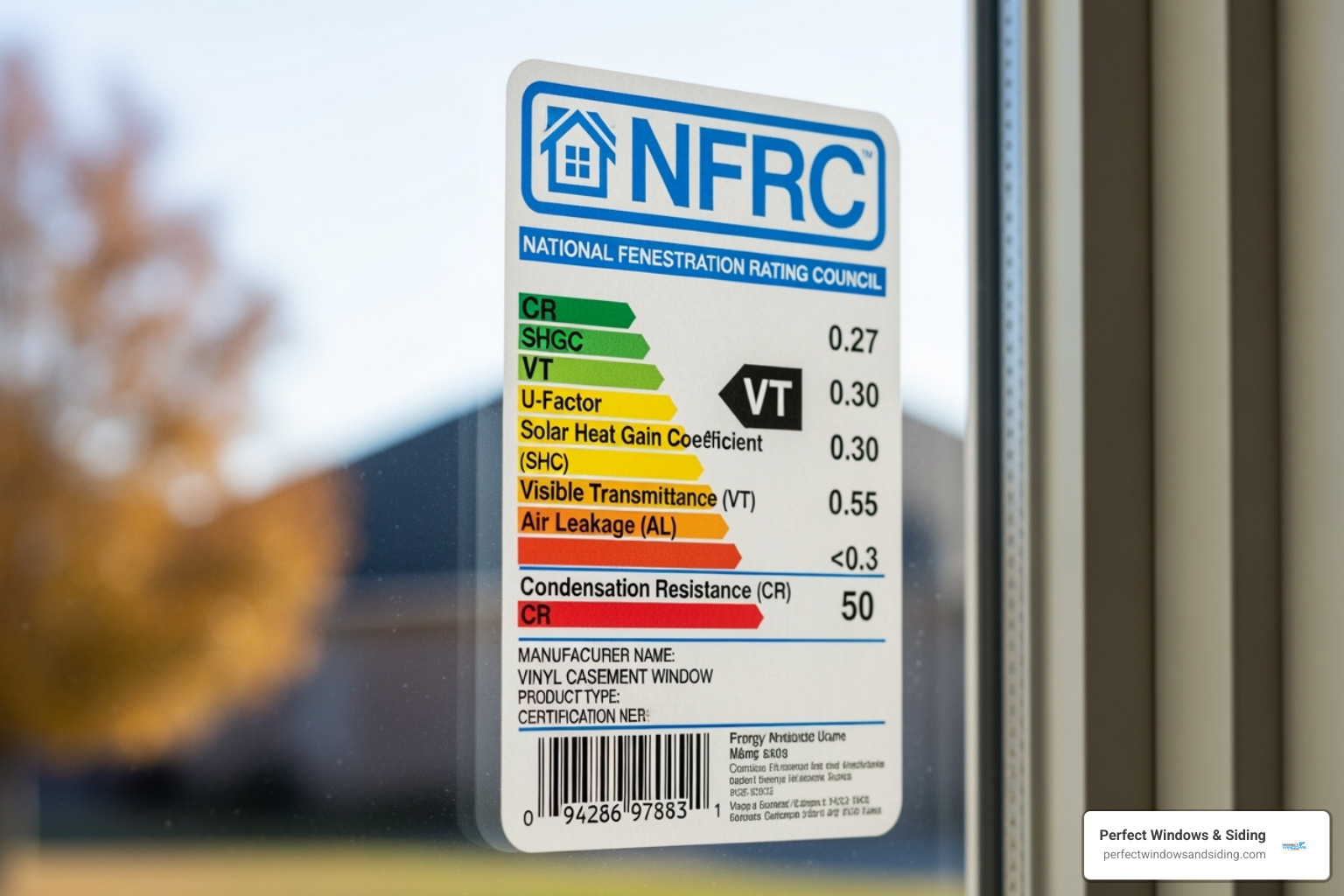
Every energy-efficient window has a National Fenestration Rating Council (NFRC) label that shows its performance ratings. Understanding these numbers is key to maximizing your energy efficient windows cost savings.
- U-Factor: Measures how well a window prevents heat from escaping. Lower numbers are better for Chicago’s climate (look for values between 0.2 and 1.2).
- Solar Heat Gain Coefficient (SHGC): Measures how much solar heat a window lets in. In Chicago, a balance is needed to gain heat in winter but block it in summer. The scale is 0 to 1 (lower numbers block more heat).
- Visible Transmittance (VT): Measures how much natural light passes through. Higher numbers (on a 0-1 scale) mean more light.
- Air Leakage (AL): Measures how much air leaks through the window. Look for a rating of 0.3 or lower.
- Condensation Resistance (CR): Rates a window’s ability to resist condensation. Higher numbers (on a 1-100 scale) are better.
For more details, The NFRC Energy Performance Label explained provides comprehensive information.
DIY vs. Professional Window Installation
To save on energy efficient windows cost, DIY installation is tempting, as professional work adds $100 to $300 per window. While some handy homeowners can manage simple replacements, improper installation poses significant risks.
A poorly installed window is not energy-efficient. Gaps, poor sealing, or incorrect leveling can negate the benefits of a high-performance window and lead to air and moisture leaks. More importantly, improper installation can void the manufacturer’s warranty, leaving you responsible for costly repairs or replacements.
Professional installation ensures your windows perform as designed and are covered by warranty. Our team has over 20 years of Chicago-area experience and understands local building codes and challenges. We provide a lifetime warranty on our installation, guaranteeing your investment is protected. Factoring in the warranty, guaranteed efficiency, and time savings, professional work often makes the most financial sense. Learn more about our professional window installation services.
Frequently Asked Questions about Energy-Efficient Windows
Are triple-pane windows worth the extra cost in the Chicago area?
Whether triple-pane windows are worth the extra cost in Chicago depends on your budget and priorities. They are about 1.5 times more efficient than double-pane windows and offer superior noise reduction (up to 50% more than single-pane), making them ideal for our harsh climate.
The energy efficient windows cost is about $200 more per window to upgrade from double- to triple-pane. This investment makes sense if you prioritize maximum comfort, face harsh weather exposure, or have significant noise issues.
However, high-quality double-pane windows with Low-E coatings and gas fills remain the gold standard for most Chicago homes. They provide excellent performance and represent the best balance of cost and efficiency for most homeowners.
How long is the typical payback period for new windows?
The payback period from energy savings alone is typically 10 to 20 years. The exact time depends on factors like what type of windows you are replacing, your home’s size, and current energy costs.
However, focusing only on energy savings is shortsighted. The true return on investment (ROI) includes increased home value (2-6%), improved comfort, and improved curb appeal. A 2023 report showed insulated vinyl window replacements had an average ROI of 68.5% when all benefits were considered.
What are some cost-effective alternatives to full window replacement?
If a full replacement isn’t in your budget, several alternatives can improve comfort and reduce energy loss:
- Sealing air leaks: Use caulk and weatherstripping to seal gaps around window frames and sashes.
- Window films: Apply these thin films to glass to help control heat transfer, especially on sun-facing windows.
- Insulated curtains or cellular blinds: Add an extra layer of insulation to trap air and reduce heat loss or gain.
- Storm windows: Add an interior or exterior storm window to create an insulating air pocket.
- Frame insulation: In older homes, adding spray foam insulation in the gaps around the window frame can significantly reduce heat loss.
While these measures help, they don’t match the comprehensive benefits of new windows. For professional help with these smaller jobs, learn about our window repair services.
Upgrade Your Home’s Comfort and Value
Understanding energy efficient windows cost is about more than the price tag; it’s an investment in your daily comfort. It means eliminating drafts, reducing noise, and lowering energy bills. While the initial investment is substantial, the average return on investment is 68.5% when you factor in energy savings, increased home value, and improved comfort.
Quality materials and professional installation are the foundation of a successful window project. Cutting corners leads to frustration and poor performance. As a local, family-owned business with over 20 years of experience in Chicagoland, we understand how to select and install windows that can handle our climate’s extremes.
Our lifetime warranty on craftsmanship provides peace of mind that your investment is protected. The improvements to daily life are invaluable—imagine a home without chilly drafts or street noise. That’s the comfort change our customers experience.
Don’t let the upfront energy efficient windows cost prevent you from enjoying a more comfortable and valuable home. Every month you wait is another month of higher energy bills.
Ready to transform your home’s comfort and efficiency? Learn more about our window replacement services and find how we can help you make the best investment in your home’s future.