

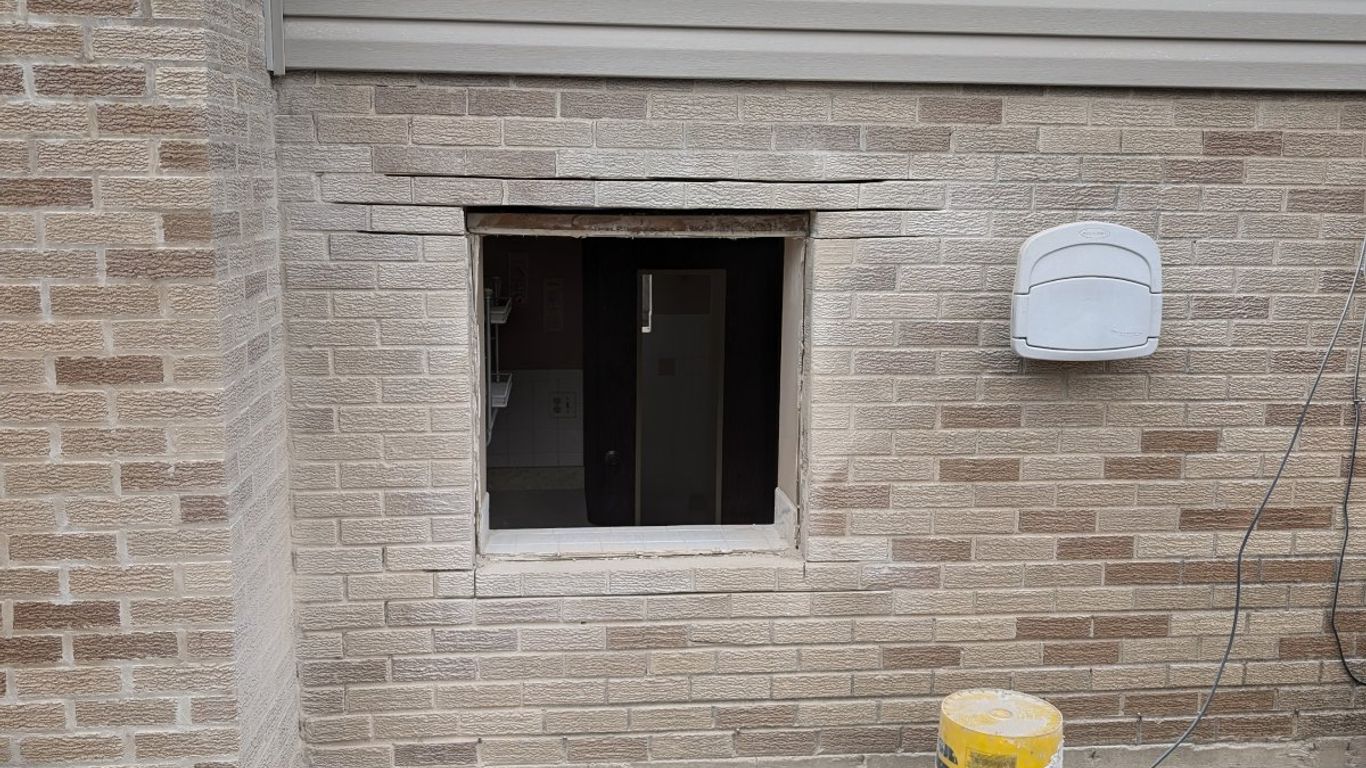
Thinking about new siding for your house? It’s a big job, and honestly, it can feel a bit overwhelming. You want it to look good, last a long time, and not break the bank. This guide is here to help break down everything you need to know about siding replacement, from figuring out if you need it to picking the right stuff and getting it put on right. We’ll cover the basics so you can make smart choices for your home.
Key Takeaways
- Knowing the signs your home needs new siding, like cracks, rot, or faded paint, is the first step in planning a siding replacement.
- Choosing the right siding material, such as vinyl, fiber cement, or insulated options, depends on your budget, home style, and desired durability.
- A professional siding replacement process involves careful preparation, skilled installation, and getting the right materials to ensure a good outcome.
- Getting professional siding replacement offers benefits like better looks, improved energy efficiency, and a boost in your home’s value.
- Finding a good siding contractor means looking into their experience, warranties, and making sure there are no surprise costs during your siding replacement project.
Understanding Your Siding Replacement Needs
Replacing your home’s siding isn’t just about freshening up the look—there’s often more lurking beneath the surface. If you’ve started to notice drafts, visible cracks, or patches where things look run down, it might be time to take a closer look at what’s protecting your home from the outside world.
Signs Your Home Needs Siding Replacement
- Faded, warped, or discolored panels are some of the first clues your siding is past its prime.
- You may spot moisture, mildew, or mold. These hint at water getting behind the panels, which is never a good sign.
- If you see bubbling, cracking, or actual pieces missing, it’s pretty clear the exterior can’t do its job anymore.
- A spike in heating and cooling costs can also mean your siding isn’t insulating like it used to.
Siding that’s seen better days can let in weather, pests, and moisture, potentially leading to expensive repairs inside your walls later on.
Common Siding Damage and Aesthetic Concerns
Not all siding problems are headline-grabbing disasters, but smaller issues can add up. Here are a few common concerns:
- Hail or storm damage: Dents, chips, or holes after a rough season.
- Sun bleaching: Over time, colors may fade unevenly, making patch repairs nearly impossible to blend.
- Warping and buckling: Siding that doesn’t lay flat against your house usually signals trouble underneath—maybe rot or trapped moisture.
You might also just be tired of a dated style. Siding that’s old or out-of-fashion can drag down your home’s curb appeal and, let’s face it, your mood every time you pull into the driveway.
| Common Damage Type | Visible Clues | Potential Risks |
|---|---|---|
| Fading | Uneven color, dullness | Poor appearance |
| Cracking/Chipping | Gaps, missing pieces | Water infiltration, pests |
| Warping/Buckling | Siding sticks out, waves | Structural/water damage |
| Mildew/Mold | Dark spots, musty odor | Health risks, hidden rot |
Addressing Operational Problems and Visible Damage
If you find yourself patching the same spots each year, or you sense drafts indoors, the problem won’t resolve itself. Here’s what to check:
- Walk around your house—look for panels that don’t sit tight or have gaps at the seams.
- Feel for cold spots on interior walls during winter, especially near exterior walls.
- Monitor your utility bills. Unusual increases can point to poor insulation from degraded siding.
If any of these red flags appear, it’s time to look into options for new siding. You’ll want to balance current damage with long-term value, as fixing just the visible issues rarely solves deeper problems. For a breakdown of potential costs and what might influence your budget, check out this handy analysis of siding replacement costs.
Don’t let small problems turn into expensive ones. Regular inspections—and acting when you spot real trouble—will keep your home’s exterior robust and good-looking for years.
Choosing the Right Siding Materials
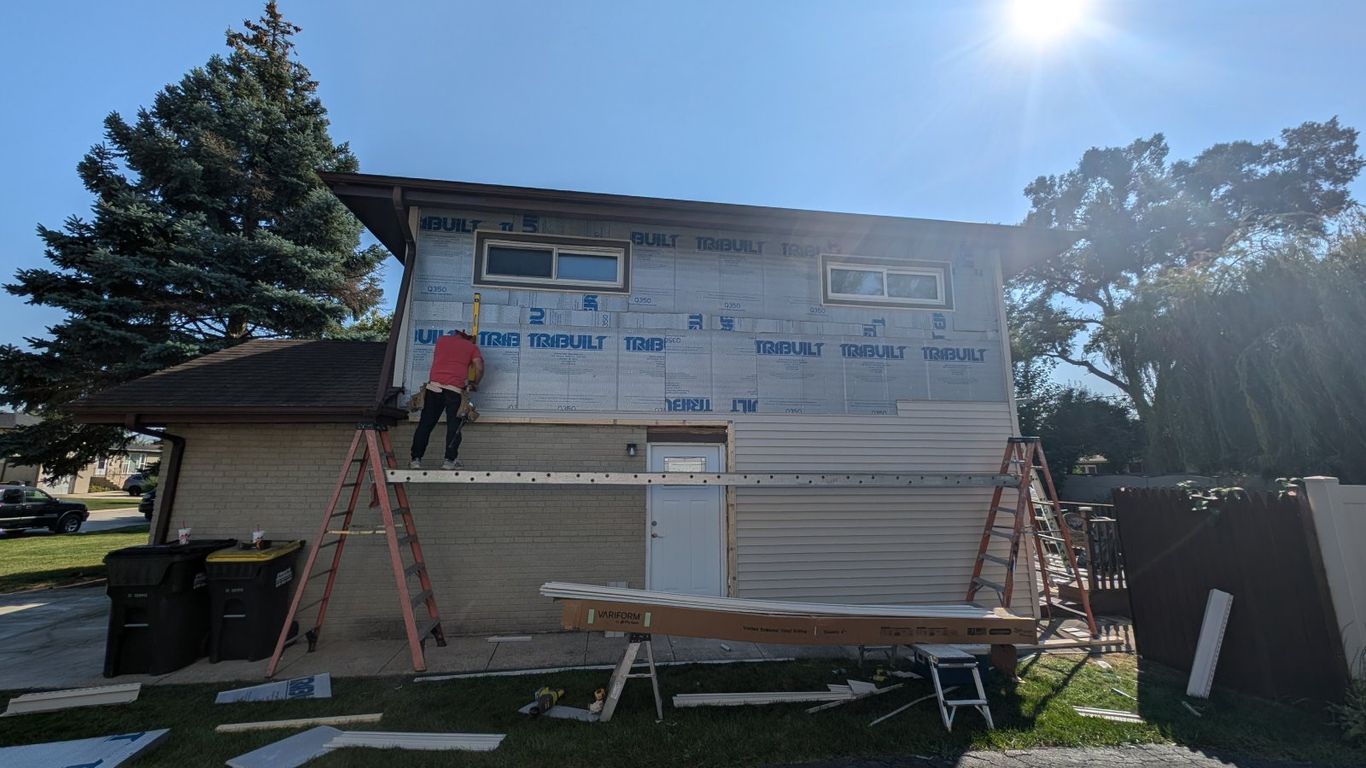
Picking out new siding can feel like a big decision, and honestly, it is. It’s not just about looks, though that’s a big part of it. The material you choose impacts how your home holds up against the weather, how much you spend on heating and cooling, and even how much upkeep you’ll have year after year. Let’s break down some of the most popular options to help you figure out what’s best for your place.
Exploring Vinyl and Insulated Vinyl Siding Options
Vinyl siding has been a go-to for a long time, and for good reason. It’s generally affordable, comes in a ton of colors and styles, and is pretty low-maintenance. You don’t have to worry about painting it, and cleaning is usually just a hose-down. It’s a solid choice if you’re looking for a budget-friendly update that still makes a big difference in your home’s appearance.
Now, insulated vinyl siding takes things up a notch. It has a layer of rigid foam attached to the back of the vinyl panel. This extra insulation can really help with your home’s energy efficiency, meaning less heat escaping in the winter and less cool air getting out in the summer. This can translate into noticeable savings on your utility bills. Plus, that foam backing can make the siding more resistant to dents and dings, and it also helps cut down on outside noise. It’s a bit more of an investment upfront than standard vinyl, but many homeowners find the long-term benefits worth it.
Understanding Fiber Cement Siding Benefits
Fiber cement siding is another strong contender, and it’s known for its serious durability. This stuff is made from a mix of cement, sand, and cellulose fibers, which makes it tough as nails. It holds up really well against harsh weather, including high winds, heavy rain, and even hail. Unlike wood, it won’t rot or get eaten by insects, and it’s not susceptible to warping like some vinyl can be over time. Fiber cement siding offers a fantastic blend of resilience and a classic look that many homeowners love.
One of the biggest pluses is its stability. It doesn’t expand and contract much with temperature changes, which means paint jobs tend to last longer, and the seams stay tight. This is a big deal in areas with big temperature swings. It’s also non-combustible, which adds an extra layer of safety for your home. While it’s heavier and can be more expensive to install than vinyl, its longevity and low maintenance (especially with factory-applied finishes) make it a smart long-term investment. You can find it in various styles, mimicking wood clapboard, shakes, and even board-and-batten looks.
Matching Siding to Your Home’s Architecture
When you’re picking out siding, it’s super important to think about your home’s style. What looks great on a modern ranch might not fit so well on a historic Victorian, and vice versa. The goal is to complement your home’s existing design, not fight against it.
- Traditional Homes: For classic styles like Colonials, Victorians, or Craftsman homes, materials that offer a more timeless look often work best. Think fiber cement that mimics wood clapboard or even traditional wood siding if you’re up for the maintenance. These materials can capture the architectural details that make these home styles so appealing.
- Modern Homes: Contemporary and modern homes often suit sleeker materials. Vinyl siding in clean lines and bold colors, or even fiber cement in larger panels, can work well. The key here is often simplicity and a focus on geometric shapes.
- Mid-Century Modern: These homes often look fantastic with a mix of materials. Consider combining horizontal siding, like vinyl or fiber cement, with natural elements like stone or brick accents. The contrast can really highlight the home’s unique features.
Choosing siding isn’t just about picking a color from a swatch. It’s about selecting a material that will protect your home, look good for years, and fit the overall character of your neighborhood and your house itself. Think about the long haul and what kind of upkeep you’re willing to do.
When you’re trying to decide, it’s helpful to look at homes in your area that you admire. What kind of siding do they have? Does it seem to hold up well? Sometimes seeing it in person on a similar style of house can make all the difference. If you’re feeling stuck, talking to a professional siding contractor can also provide a lot of clarity. They’ve seen it all and can offer advice based on your home’s specific architecture and your local climate. You can explore different siding material options to get a better feel for what’s out there.
The Siding Replacement Process
Replacing your home’s siding might seem like a huge undertaking, but breaking it down into steps makes it much more manageable. It’s not just about slapping new material on the outside; there’s a method to the madness that ensures a solid, long-lasting result.
Preparing for Your Siding Replacement Project
Before the crew even shows up with their ladders and tools, there’s a bit of prep work that needs to happen. First off, you’ll want to clear the area around your house. This means moving any patio furniture, grills, planters, or anything else that might be in the way. It gives the installers room to work and protects your belongings. Also, take some time to document the existing condition of your siding. Snap some photos – it’s good for your records and can be helpful if any questions pop up later.
It’s also a good idea to talk to your neighbors. Let them know what’s happening, when it’s scheduled to start, and how long it might take. This is just good neighborly etiquette and can prevent any surprises or complaints.
Expert Siding Installation Techniques
This is where the magic happens, and honestly, it’s best left to the pros. They’ve got the experience to handle all sorts of tricky situations, like working around windows, doors, and corners. A good installation involves more than just nailing boards up. It means making sure the house wrap is properly installed to keep moisture out, that the starter strips are level, and that each piece of siding is secured correctly.
Here are some key aspects of a professional installation:
- Proper Underlayment: A good house wrap or felt paper is installed first to act as a moisture barrier.
- Leveling and Alignment: Ensuring all courses of siding are perfectly level and aligned is critical for both appearance and function.
- Fastening Techniques: Using the right nails and fastening them at the correct depth and spacing prevents buckling or pulling.
- Detail Work: Proper flashing around windows, doors, and at corners prevents water intrusion.
The goal of expert installation is to create a weather-tight seal that protects your home’s structure while also looking great. It’s a blend of art and science.
Ensuring Proper Material Sourcing and Supply
Getting the right materials to the job site on time is a big part of the process. Your contractor should be ordering the siding, trim, and any necessary accessories well in advance. This includes things like starter strips, corner posts, and J-channels.
It’s important that the materials are stored correctly on-site before installation. They shouldn’t be left out in the elements for too long, as this can affect their performance. A reputable contractor will have a system for managing their material supply, so you don’t have to worry about delays or missing pieces. If you’re looking for quality siding materials, checking out options from local manufacturers can often be a good bet, as they understand the regional climate needs.
Benefits of Professional Siding Replacement
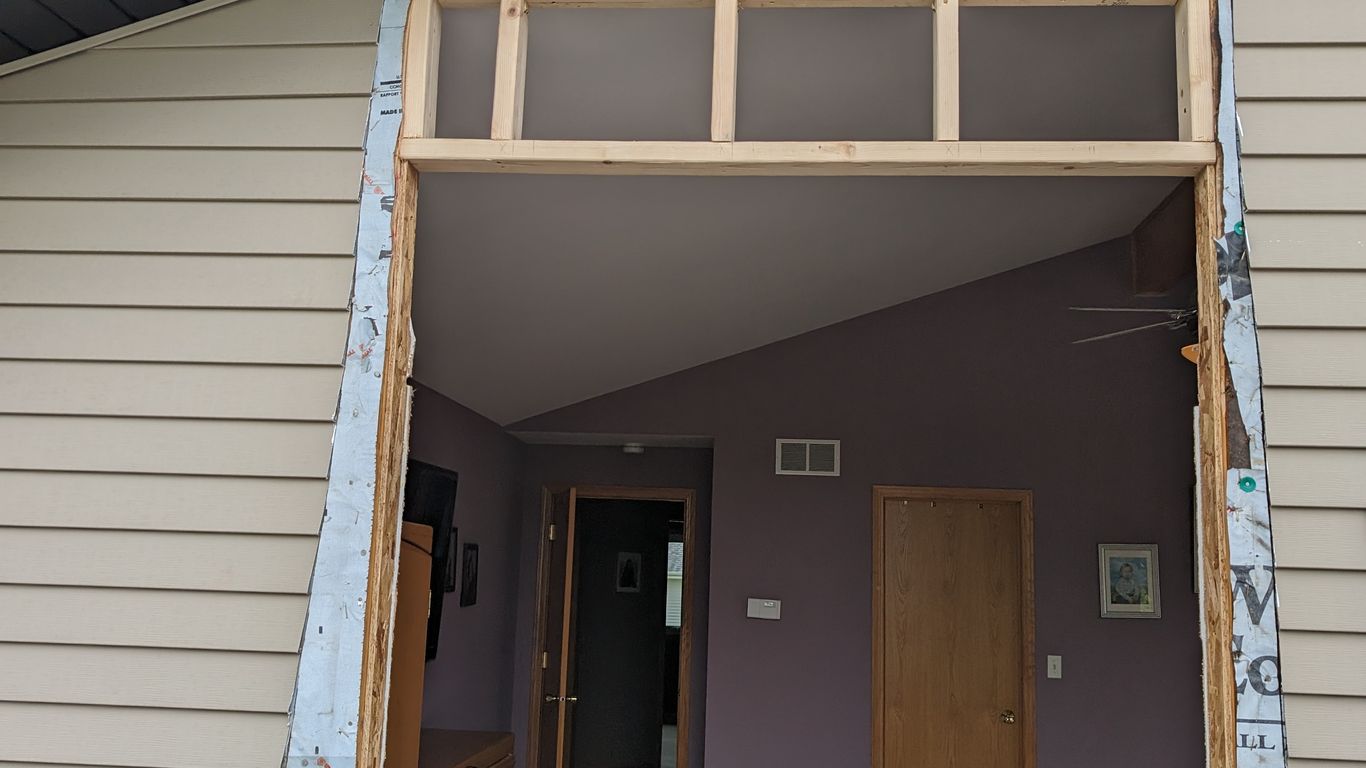
When it comes to replacing your home’s siding, you’ve got options. You could try to tackle it yourself, but honestly, most of us aren’t really cut out for that kind of work. That’s where bringing in the pros really shines. Professional siding replacement isn’t just about getting the job done; it’s about getting it done right, with benefits that last.
Enhanced Exterior Appeal and Curb Appeal
Let’s face it, the outside of your house is the first thing people see. New siding can completely transform your home’s look, making it stand out in the neighborhood. It’s like giving your house a fresh coat of paint, but way more impactful and long-lasting. Professionals know how to pick materials and colors that complement your home’s style, making sure it looks its best.
Improved Energy Efficiency and Reduced Utility Bills
Old, worn-out siding can let in a lot of drafts. When your home isn’t properly insulated, your heating and cooling systems have to work overtime. This not only makes your home uncomfortable but also drives up those monthly utility bills. Professional installation means the siding is sealed up tight, creating a better barrier against the elements. This can lead to noticeable savings on energy costs over time. Think about it: a well-installed siding system acts like a cozy blanket for your house.
Increased Property Value and Long-Term Durability
Investing in new siding is a smart move for your home’s future. A quality siding replacement can significantly boost your property’s market value, making it more attractive to potential buyers down the line. Plus, professional installation uses durable materials and techniques that stand up to weather, pests, and time. This means less worry about repairs and replacements in the years to come. It’s an investment that pays off both aesthetically and financially.
Here’s a quick look at what you gain:
- Aesthetic Upgrade: A completely refreshed and attractive home exterior.
- Energy Savings: Lower heating and cooling costs due to better insulation.
- Protection: A stronger defense against wind, rain, and other weather.
- Durability: Siding that lasts longer and requires less maintenance.
- Value Boost: Increased appeal and worth for your property.
When you hire professionals, you’re not just paying for labor; you’re investing in their knowledge, specialized tools, and the peace of mind that comes with a job done correctly. They understand the nuances of different materials and how to best apply them to your specific home structure, avoiding common pitfalls that can lead to costly repairs later on. This attention to detail is what separates a good job from a great one.
Choosing to go with a professional siding replacement service means you’re likely getting access to better materials and warranties too. Companies like Perfect Windows and Siding often have relationships with manufacturers, which can mean higher quality products and better backing for your investment. It’s about making sure your home is protected and looks great for years to come, without all the stress of a DIY project gone wrong. For those looking for specialized solutions, exploring options for historical home restorations can be a great starting point.
Finding Quality Siding Contractors
Okay, so you’ve decided it’s time for new siding. That’s a big step! Now comes the part that can feel a little daunting: finding the right people to do the job. It’s not just about picking the cheapest option, though I get the temptation. You want someone who knows their stuff, will treat your home right, and won’t leave you with a mess or a bill full of surprises. Think of it like hiring someone to fix your car – you want a mechanic you can trust, right? The same goes for your house.
What to Look for in a Siding Replacement Professional
When you’re looking for a contractor, there are a few things that really matter. First off, check their experience. How long have they been doing this? Do they specialize in siding, or is it just one of a million things they do? You want a specialist for this kind of work. Also, see if they’re licensed and insured. This isn’t just paperwork; it’s protection for you. If something goes wrong, you’re covered.
Here’s a quick checklist:
- Experience: Look for contractors with a solid track record specifically in siding replacement.
- Licensing and Insurance: Always verify they have the proper credentials.
- Reputation: Check online reviews and ask for references. See what past clients say.
- Communication: Do they explain things clearly? Do they answer your questions promptly?
- Written Estimates: Get detailed quotes in writing before any work begins.
It’s also a good idea to see if they have any affiliations with reputable industry groups. It shows they’re serious about their profession. You can often find good local siding contractors on sites like Angi [4941].
Understanding Contractor Warranties and Guarantees
This is super important. A good contractor will stand behind their work. What kind of warranty do they offer on their labor? And what about the materials they use? Some manufacturers offer great warranties on their siding products, but if the installation is bad, that warranty might not mean much. You want to make sure both the product and the installation are covered. A warranty is basically their promise that the job will hold up.
Don’t be shy about asking for details. A strong warranty can give you a lot of peace of mind down the road. It shows they’re confident in what they do.
Avoiding Overcharges and Hidden Costs
This is where a lot of homeowners get stressed. You want a clear, upfront price. Ask for a detailed breakdown of costs. What’s included? Are there any potential extra charges you should be aware of? Sometimes, during the tear-off, contractors find unexpected issues like rotten wood. A good contractor will have a process for handling this, like getting your approval before doing extra work and explaining any cost changes.
Be wary of quotes that seem too good to be true. Extremely low prices often mean lower quality materials or rushed, shoddy workmanship. It’s better to pay a fair price for a job done right the first time than to deal with costly repairs later.
Always get everything in writing. A contract should clearly outline the scope of work, materials, timeline, and total cost. If a contractor is hesitant to put things in writing or tries to pressure you, that’s a big red flag. Taking the time to find a reputable contractor, like those you might find in Brooklyn, NY [9a4d], can save you a lot of headaches and money in the long run.
Maintaining Your New Siding
So, you’ve got that beautiful new siding all installed. Awesome! Now, the big question is, how do you keep it looking good and working right for years to come? It’s not rocket science, honestly. Most modern siding materials are pretty low-maintenance, which is a huge plus. But that doesn’t mean you can just forget about it.
Low-Maintenance Siding Solutions
When we talk about low-maintenance, we’re usually thinking about materials like vinyl or fiber cement. These guys don’t need painting every few years like old-school wood. Vinyl is super easy to clean – usually just a hose-down does the trick. Fiber cement is tough and holds paint really well, so it looks good for a long time. Even if you have wood, there are ways to make it easier to care for. Pruning back trees and bushes so they don’t rub against the house is a good start. Keeping gutters clear is also key, as water backing up can cause all sorts of problems.
Protecting Your Siding from the Elements
Your siding is basically the skin of your house, and it takes a beating from sun, rain, wind, and sometimes even hail. One of the simplest things you can do is keep an eye on your gutters and downspouts. Make sure they’re clear of leaves and debris, especially after a big storm or in the fall. Clogged gutters can cause water to overflow and run down your walls, which isn’t good for any type of siding over time. Also, check the caulking around windows and doors every so often. If you see any cracks or gaps, it’s a good idea to get them sealed up to keep water out. This is a small step that really helps prevent bigger issues down the road.
Ensuring Longevity Through Proper Care
To make sure your new siding lasts as long as it’s supposed to, a little regular attention goes a long way. Here’s a quick rundown:
- Regular Cleaning: Most siding just needs a wash with mild soap and water every year or two. Avoid pressure washers unless you really know what you’re doing, as they can damage the material or force water behind it.
- Gutter Maintenance: Clean them out at least twice a year, more if you have a lot of trees. This prevents water damage to your siding and foundation.
- Inspect for Damage: Keep an eye out for any loose pieces, cracks, or unusual discoloration. Catching small problems early can save you a lot of money and hassle.
- Landscaping Check: Trim back any plants or branches that are touching or rubbing against your siding. This prevents moisture buildup and potential damage.
Taking care of your siding isn’t just about looks; it’s about protecting your investment. A well-maintained exterior means a healthier home and fewer unexpected repair bills. It’s really about being proactive rather than reactive when it comes to your home’s protection.
Think of it like this: you wouldn’t buy a new car and never wash it or check the oil, right? Your siding deserves similar attention. A little effort now means your home stays beautiful and protected for decades. If you’re unsure about any part of the maintenance, don’t hesitate to ask the professionals who installed it. They can give you specific advice for your particular siding material. For instance, knowing the best way to clean your gutters can make a big difference. And if you have wood elements, remember to prune trees and bushes regularly.
Keeping your new siding looking great is easier than you think! A little regular cleaning will help it last for years. For more tips on how to care for your siding, check out our website.
Wrapping It Up
So, there you have it. Replacing your home’s siding is a pretty big job, but it’s totally doable. We’ve gone over why you might need new siding, what kinds are out there, and how to pick the right stuff and the right people to do the work. It’s not just about making your house look good, though that’s a big part of it. New siding can actually help keep your home more comfortable and save you some money on energy bills. Plus, it adds value to your place. Take your time, do your homework, and you’ll end up with a home exterior you can be proud of for years to come.
Frequently Asked Questions
How do I know if my home’s siding needs to be replaced?
Look for signs like cracks, warping, peeling paint, or sections that are loose or missing. If you notice mold or mildew growth, or if your energy bills have gone up because your home isn’t insulated well, it’s probably time for new siding. Also, if siding is old and looks worn out, it’s a good indicator.
What are the most popular siding materials?
Vinyl siding is a common choice because it’s affordable and easy to care for. Fiber cement siding is another great option; it looks like real wood but lasts much longer and is very strong. Some people also like insulated vinyl siding, which adds an extra layer of warmth to your home.
What’s the process for replacing siding?
First, you’ll want to prepare your home by clearing the area around it. Then, professionals will carefully remove the old siding. They’ll check the walls underneath for any damage and make repairs if needed. Finally, they’ll install the new siding, making sure it’s attached correctly and looks great.
What are the main benefits of getting new siding?
New siding can make your house look much better from the outside, boosting its curb appeal. It also helps keep your home warmer in the winter and cooler in the summer, which can lower your energy bills. Plus, it makes your home more durable and can even increase its value if you decide to sell it later.
How do I find a good siding contractor?
Look for contractors who have good reviews and have been in business for a while. Always ask for references and check their past work. Make sure they give you a detailed written estimate that includes everything, so there are no surprise costs later on. Also, ask about their warranties.
How do I take care of my new siding?
Many modern siding materials are designed to be low-maintenance. Usually, a simple wash with water and mild soap a couple of times a year is enough to keep it looking good. Make sure to check for any loose pieces or damage periodically and address them right away to ensure your siding lasts a long time.