

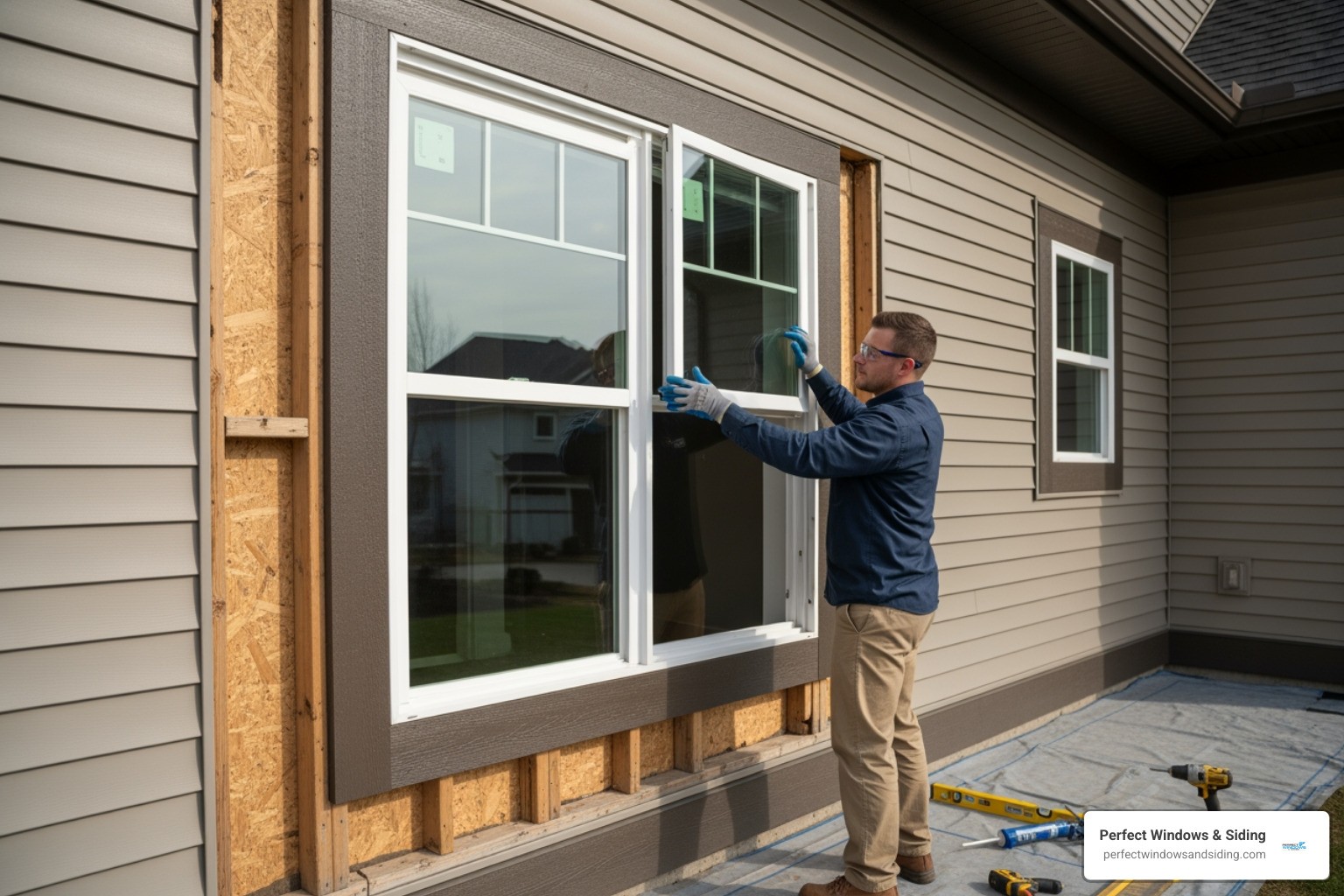
The Big Question: DIY or Hire a Pro?
Replacing the windows in your house is one of the most impactful upgrades you can make. It improves curb appeal, improves energy efficiency, and increases your home’s value. But as you stand before that old, drafty window, the big question looms: Is this a project you can tackle yourself, or is it time to call in the professionals?
Quick Answer: Is Replacing Windows Hard?
For the average homeowner, yes, replacing a window is a challenging project. While it might seem straightforward, it requires precision, specialized tools, and knowledge of building science to do it right. A small mistake can lead to big problems like water damage, drafts, and even structural issues.
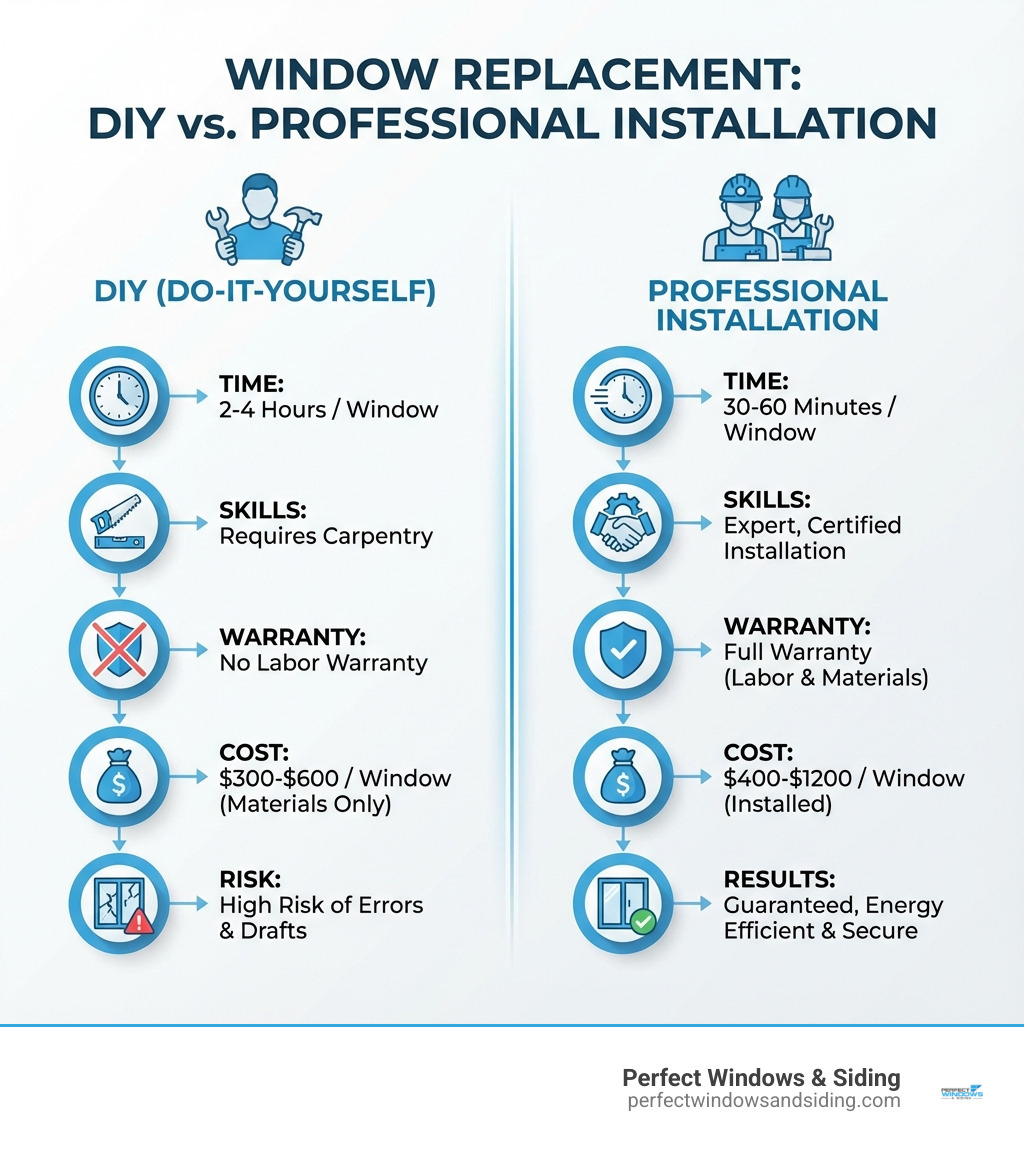
- DIY Difficulty: Moderate to Challenging. This isn’t a beginner’s project. It requires a good understanding of carpentry, precise measurements, and a comfort level with power tools. A single mis-cut or an inaccurate measurement can be a costly error.
- Single Window Time: A professional can often replace a window in 30-60 minutes. For a first-time DIYer, expect to spend at least 2-4 hours per window, and potentially longer for the first one as you steer the learning curve.
- Key Skills Required: You’ll need more than just basic handyman skills. This job demands precise measuring, cutting, and leveling. You must also understand how to properly flash and seal the window to prevent water intrusion, which is a critical step often overlooked by amateurs.
- When to DIY: A simple insert replacement (where the old frame remains) in a modern, square opening might be manageable if you have significant home improvement experience and the right tools.
- When to Hire: Always hire a professional for full-frame replacements, installations in older homes (which often have out-of-square openings), creating new window openings, or if you find any signs of rot or structural damage. If you’re replacing multiple windows, the time and effort saved by hiring a crew is substantial.
The internet is full of tutorials that can make window replacement seem like a simple weekend project. However, these videos often oversimplify the process. They don’t account for the unique challenges of each home, such as out-of-plumb walls, hidden rot in the frame, or the specific requirements for properly air-sealing and insulating around the new unit. A mistake in any of these areas can negate the energy savings of your new windows and lead to costly repairs down the road. For comprehensive guidance on energy-efficient window selection and installation standards, the U.S. Department of Energy’s guide on windows provides valuable technical information.
On the other hand, professional installation offers peace of mind. Experienced installers have the tools, knowledge, and efficiency to get the job done right the first time. They can handle unexpected issues, ensure the window is perfectly weatherproof, and provide a warranty for their work. A professional crew can often replace all the windows in a house (10-15 units) in a single day, a task that could take a DIYer several weekends or even months.
The real challenge isn’t just swapping out the old window for a new one. It’s about creating a seamless, weatherproof seal between the new window and your home’s structure. It’s about ensuring the window is perfectly level, plumb, and square so that it opens and closes smoothly for years to come. It’s knowing how to properly insulate the gaps to prevent energy loss. And it’s about recognizing and repairing hidden damage before it becomes a major problem.
I’m Voytek Glab, owner of Perfect Windows & Siding, and I’ve overseen hundreds of window replacement projects across the Chicago area over the past 20 years. In this guide, I’ll walk you through what replacing windows in your house actually involves—both the DIY route and the professional approach—so you can make the right choice for your home and your budget.
Replacing windows in house terms to learn:
Before You Begin: Planning Your Window Replacement Project
Replacing windows in your house is a significant investment that can dramatically improve your home’s comfort, energy efficiency, and curb appeal. But before you start pulling out old frames or signing a contract, careful planning is essential. A well-thought-out project ensures you get the right windows for your home, your climate, and your budget, saving you from costly mistakes and future headaches.
When to Replace Your Windows
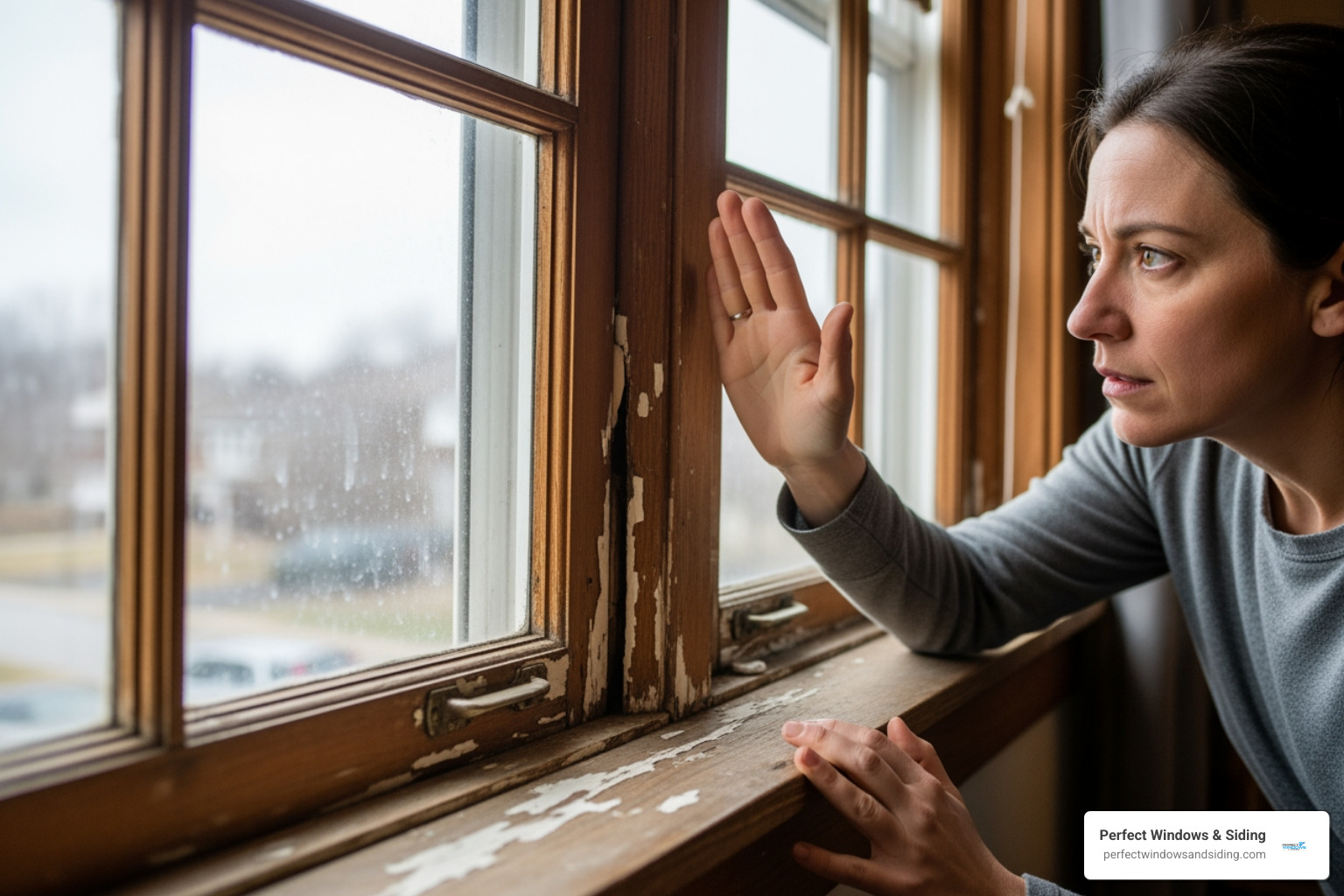
How do you know it’s truly time for new windows? While aesthetics are a factor, performance is the key driver. Our experience working with homeowners across Chicagoland shows us that there are several clear signs your windows are past their prime. If you notice any of these, it’s likely more cost-effective to replace rather than repair:
- Persistent Drafts: Even when closed and locked, do you feel a breeze near your windows? This is a clear sign that the seals have failed. This air leakage not only makes your home uncomfortable but also drives up your energy bills as your HVAC system works harder to maintain the desired temperature.
- Condensation Between Panes: If you see fog, moisture, or mineral deposits trapped between the panes of glass in a double- or triple-pane window, it means the seal has broken. This allows the insulating gas (like argon or krypton) to escape, drastically reducing the window’s energy efficiency and R-value. The window is no longer providing the insulation it was designed for.
- Warped, Cracked, or Rotting Frames: Wood frames are susceptible to rot and decay, especially in a climate with significant moisture. Vinyl frames can warp or crack over time due to sun exposure. Damaged frames not only look bad but also compromise the structural integrity of the window, leading to drafts, water leaks, and potential mold growth in the surrounding wall.
- Difficulty Operating: Windows that are difficult to open, close, or lock are more than just an annoyance—they can be a safety hazard, especially in an emergency. This can be caused by a warped frame, a broken balance system, or accumulated debris in the tracks.
- Excessive Outside Noise: If you can hear every car that drives by or every conversation on the sidewalk, your windows are not providing adequate sound insulation. Modern windows, especially those with laminated glass or multiple panes, can significantly reduce noise pollution and create a more peaceful indoor environment.
For more in-depth information, explore our guide on More info about window replacement.
Choosing the Right Windows: Materials, Styles, and Glass
Once you’ve decided to replace your windows, the next step is choosing the right type for your home. This involves considering frame materials, window styles, and glass options, all of which impact cost, durability, and functionality.
Window Frame Materials: Pros and Cons
| Material | Cost Range (per window) | Durability | Maintenance Needs | Notes |
|---|---|---|---|---|
| Vinyl | $150 – $900 | High | Low | Most popular choice. Cost-effective, energy-efficient, and requires minimal upkeep. Can be prone to expansion and contraction in extreme temperatures. |
| Wood | $300 – $1,300+ | Moderate | High | Offers a classic, beautiful look. Excellent insulator. Requires regular painting or staining to prevent rot and warping. |
| Fiberglass | $500 – $1,500+ | Very High | Low | Extremely strong and durable. Resists swelling, rotting, and warping. Can be painted. Higher upfront cost but excellent long-term value. |
| Aluminum | $400 – $1,200+ | High | Low | Strong and lightweight, but not ideal for cold climates like Chicago as it conducts heat and cold easily, unless it has a thermal break. |
| Composite | $300 – $1,200+ | High | Low | Made from a mix of wood fibers and plastic. Offers the look of wood with the low maintenance of vinyl. |
Window Styles Overview
The style of window you choose affects both the look of your home and its functionality.
- Double-Hung Windows: The classic American window, with two sashes that slide vertically. They offer excellent ventilation and are easy to clean.
- Casement Windows: Hinged on the side and open outward with a crank. They provide an unobstructed view and excellent ventilation, and their seals are very tight when closed, making them highly energy-efficient.
- Picture Windows: Large, fixed panes of glass that do not open. They are perfect for maximizing views and natural light in living rooms or dining areas.
- Sliding Windows: Glide open horizontally from side to side. They are a great, easy-to-operate option for areas where a swinging window would be an obstruction.
- Awning Windows: Hinged at the top and open outward from the bottom. They are ideal for providing ventilation even during a light rain.
- Bay or Bow Windows: A combination of windows that project outward from the house, creating more interior space and a panoramic view.
Glass Options
The glass you choose is just as important as the frame. Modern glass packages significantly improve energy efficiency.
- Double-Pane: The standard for new windows, featuring two panes of glass with a sealed air or gas-filled space in between to reduce heat transfer.
- Triple-Pane: Offers an additional layer of glass and insulation, making it ideal for colder climates like Chicago. It provides superior energy efficiency and sound reduction. Learn more about Triple pane windows.
- Low-E Coatings: A microscopically thin, transparent coating of metal or metallic oxide applied to the glass surface. It reflects heat, keeping your home warmer in the winter and cooler in the summer, and it blocks harmful UV rays that can fade your furniture and flooring.
- Argon Gas: An invisible, non-toxic gas that is denser than air. When used to fill the space between glass panes, it provides better insulation than air alone.
Key Factors Influencing the Cost of Replacing Windows in Your House
Understanding the costs involved is crucial for budgeting your project. The final price tag can vary widely based on several factors.
- National Average Cost: While prices vary by region, the national average for a single window replacement can range from $300 to over $1,200, depending on the material, style, and type of installation.
- Full-Frame vs. Insert Replacement: An insert (or pocket) replacement fits a new window into the existing frame. It’s less expensive but only works if the old frame is in perfect condition. A full-frame replacement involves removing the entire window, including the frame and trim, down to the rough opening. This is more expensive but ensures a better, more weather-tight seal and is necessary if there’s any rot or damage. Learn more about the costs in our detailed guide: How Much Do New Windows Cost.
- Labor and Complexity: The cost of labor can vary significantly. A simple ground-floor replacement will cost less than a third-story window that requires special equipment and safety precautions. Custom-shaped windows or installations that require structural modifications will also increase labor costs.
- Debris Disposal: Removing and disposing of old windows, especially in large quantities, can add to the overall project cost. Professional installers typically include this service in their quote.