


Why a Cracked Window Demands Your Immediate Attention
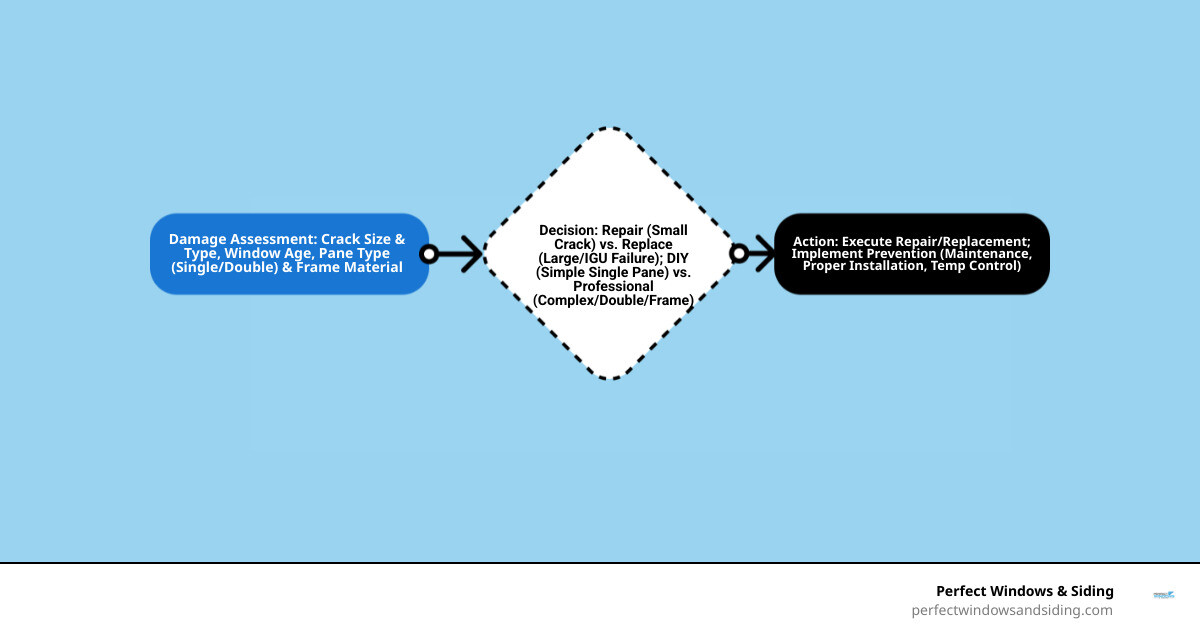
Cracked window replacement is a common home repair that can range from a simple DIY fix to a job requiring professional expertise. Here’s what you need to know:
Quick Decision Guide:
- Small chip or crack (under 6 inches) → May be repairable with epoxy
- Large crack, spiderweb pattern, or edge damage → Requires glass replacement
- Double-pane window with fogging → Needs full IGU (Insulated Glass Unit) replacement
- Shattered or loose glass → Emergency replacement needed for safety
- Single-pane window, wood frame → Good candidate for DIY replacement
- Modern vinyl/aluminum frame → Professional replacement recommended
A crack spreading across your window can happen unexpectedly. It might be from a stray baseball, a rock from the lawnmower, or the stress of Chicago’s temperature swings.
A cracked window is more than an eyesore. It’s a safety hazard, a security risk, and a drain on your energy bills. It can also lead to drafts, moisture, and pests.
The good news is that replacing a cracked window pane is often a manageable project. This guide will help you understand the process, whether you’re deciding between repair and replacement, DIY and professional help, or choosing the right type of glass.
I’m Voytek Glab. With over 20 years of experience in window installation in Chicagoland, I’ve handled countless cracked window replacements. This guide shares my expertise on assessing damage, performing the replacement, and knowing when to call a professional.
Easy cracked window replacement glossary:
First Steps: Assessing the Damage and Deciding Your Next Move
A cracked window compromises your home’s safety and efficiency. A proper assessment is crucial to determine if a repair is possible or if a full glass replacement is the necessary choice.
Understanding Window Cracks and Their Causes
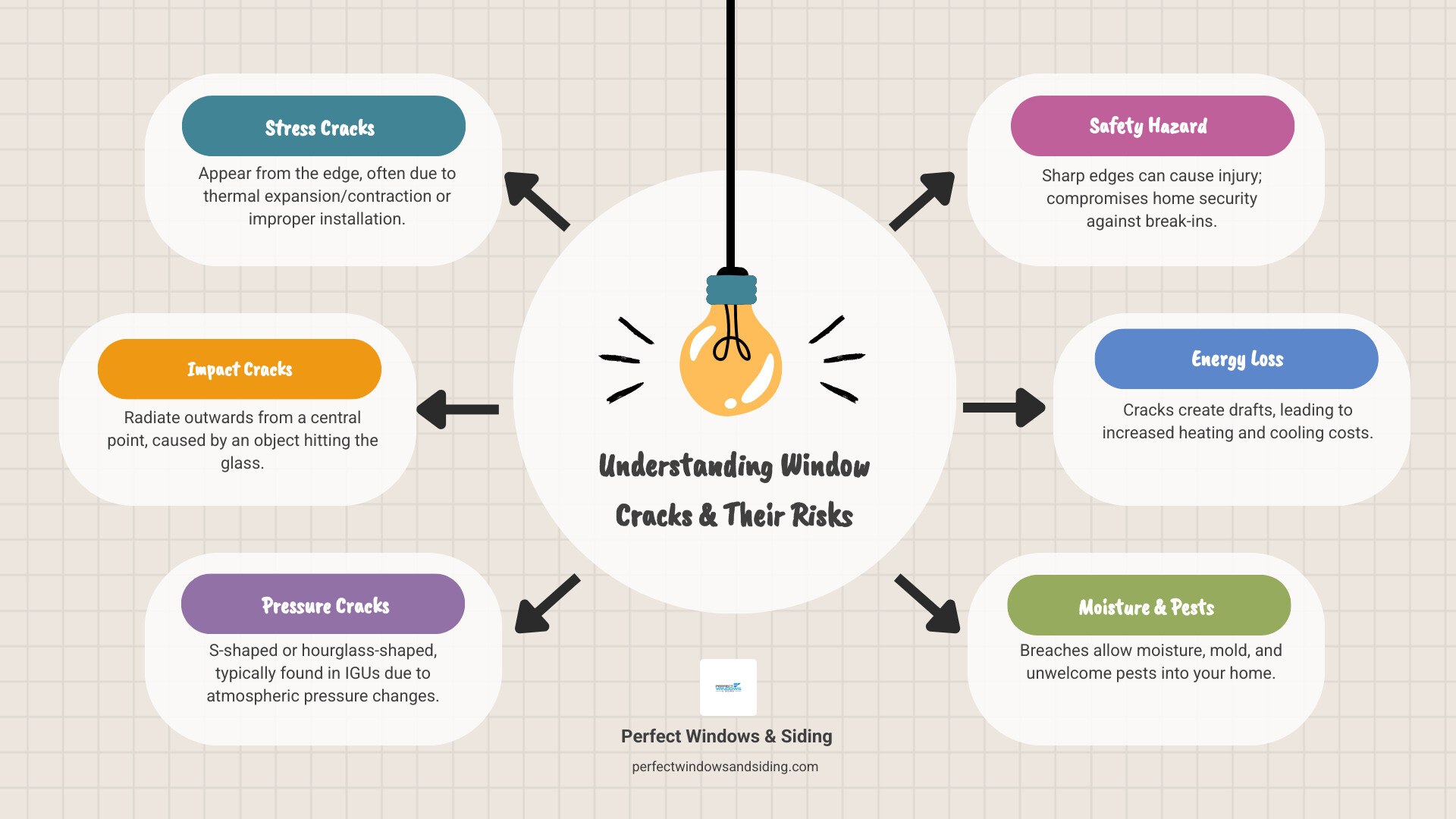
Windows typically last 15-30 years, but cracks can happen anytime. Understanding the cause helps determine the solution.
Common causes of cracked windows include:
- Age and Wear: Older windows, especially single-pane units, are more susceptible to cracking.
- Hard Impacts: A stray baseball or rock can cause an impact crack, which often looks like a starburst radiating from the point of impact.
- Extreme Temperature Fluctuations: In places like Chicagoland, glass expands and contracts. This can lead to stress cracks, which typically start at the edge of the pane.
- Pressure Changes: In double-pane windows, changes in atmospheric pressure can create pressure cracks, often in an S-shape or hourglass pattern.
- Improper Installation: A poorly installed window frame can put undue pressure on the glass, making it prone to cracking.
Beyond aesthetics, a cracked window poses a safety risk from sharp edges, compromises security, and leads to energy efficiency loss through drafts. If you’re noticing drafts, see our Drafty Window Replacement Complete Guide. While standard glass breaks into jagged pieces, tempered glass crumbles into small, safer pieces. Sometimes, only a decorative element like a muntin is damaged, which may be repairable.
Repair vs. Replacement: Making the Right Call
Deciding between repair and replacement is crucial. Even a small chip can spread, leading to bigger problems and higher costs. “A chip or crack in the window glass can spread and create more issues, so it’s best to get it fixed before you have to pay more than expected.”
Here’s a table to help you make an informed decision:
| Crack Characteristic | Window Type (Single vs. Double-Pane) | Location of Crack | Age of Window | Recommendation |
|---|---|---|---|---|
| Small chip/crack (<6 inches) | Single-pane | Not at edge | Any age | Repair (DIY temporary or professional). Small chips can spread. |
| Small chip/crack (<6 inches) | Double-pane | Not at edge | <15 years | Repair (professional recommended). DIY might compromise seal. |
| Large crack (>6 inches) | Any | Any | Any age | Replace glass pane/unit (professional recommended). Compromises integrity. |
| Cracks at edge of pane | Any | Edge | Any age | Replace glass pane/unit (professional recommended). Often stress cracks. |
| Shattered glass | Any | Any | Any age | Replace glass pane/unit (professional recommended). Safety hazard. |
| Fogging/condensation (double-pane) | Double-pane | Between panes | Any age | Replace entire Insulated Glass Unit (IGU). Seal is broken, energy efficiency lost. |
| Window over 15-20 years old | Double-pane | Any | >15-20 years | Replace entire window or IGU. Lifespan nearing end, likely inefficient. |
| Frame damage | Any | Frame | Any age | Replace entire window (professional recommended). Compromises structural integrity. |
When to Repair: Repair is an option for very small chips or minor cracks (often smaller than a dime) or when only non-glass components like a muntin are damaged.
When to Replace: Replacement is necessary for large cracks, shattered glass, or any double-pane window with a broken seal (indicated by fogging between panes). If the frame is damaged or the window is over 15-20 years old, a full window replacement is often the best long-term solution. For more guidance, explore our Home Window Repair Guide 2025.
Temporary Fixes to Secure Your Window
While a permanent cracked window replacement is the goal, a temporary fix can buy you time.
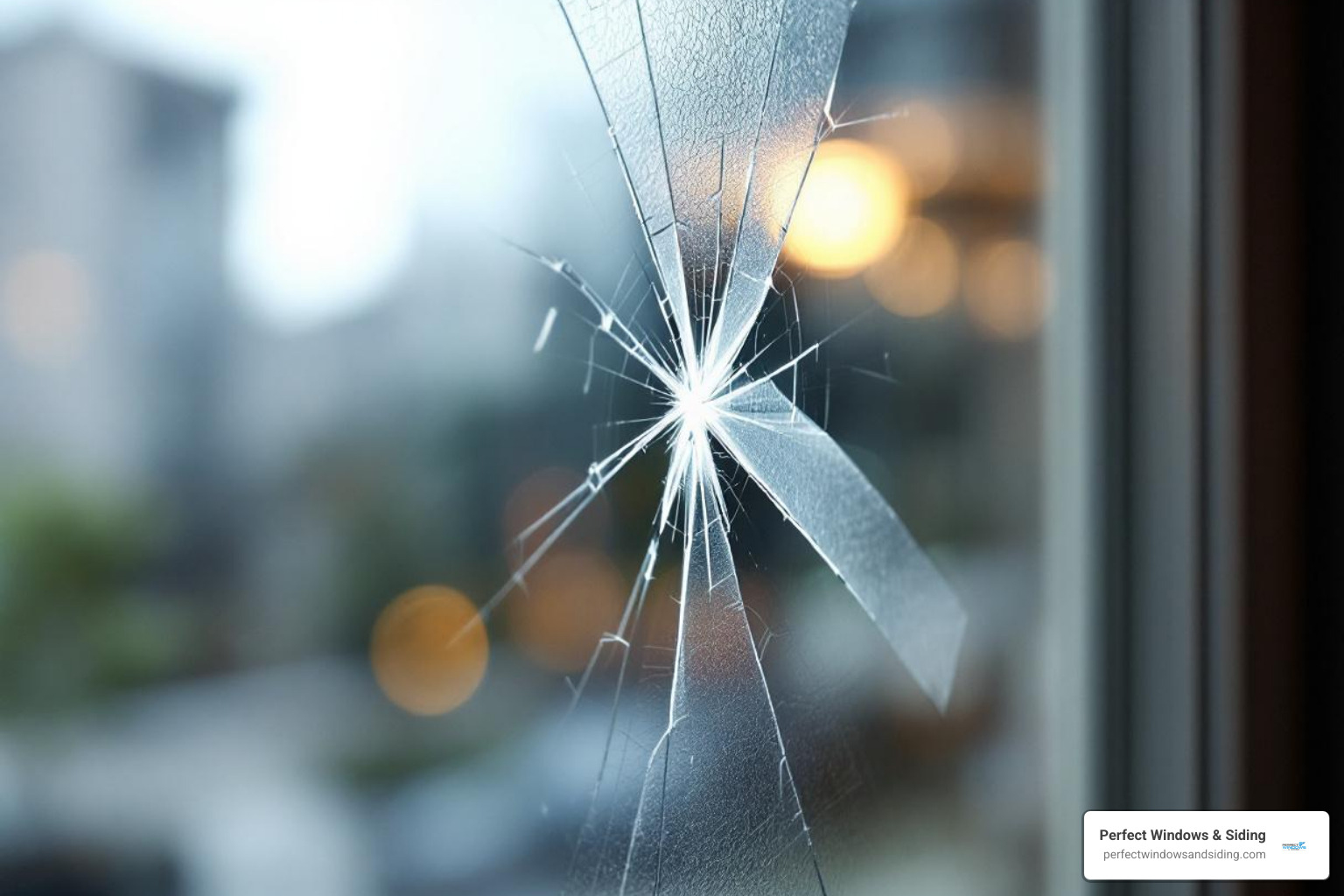
- Stabilize with Tape: Apply masking or clear packing tape to both sides of the crack to stabilize the pane and contain shards.
- Seal Small Cracks: For hairline cracks, apply super glue or clear nail varnish. For slightly larger cracks, use a two-part epoxy mixture.
- Insulate Against Drafts: Use a plastic insulation kit to cover the window and create an air barrier. Sealing gaps around the frame with caulk can also reduce drafts.
- For Shattered Windows: Safety is the priority. Wear heavy-duty gloves and eye protection. Carefully clear loose shards, then tape heavy-duty trash bags or a cut piece of plywood over the opening for a temporary barrier.
Safety Precautions: Always wear heavy-duty gloves and eye protection when handling cracked glass. Keep children and pets away from the area. These are temporary solutions; a permanent replacement will be needed.
Your Guide to Cracked Window Replacement: A Step-by-Step Process
Replacing the glass pane yourself can be a rewarding project if you have the right tools and a bit of patience. The process varies depending on your window’s frame material. Below, we’ll walk you through the specific steps for wood, vinyl, and aluminum frames, ensuring you can tackle the job with confidence. Always prioritize safety by wearing protective gloves and eyewear.
Essential Tools and Materials
Before you begin your cracked window replacement project, gather all the necessary tools and materials. Having everything on hand will make the process smoother and safer.
- Safety Gear: Safety goggles, heavy-duty gloves
- Cleaning Supplies: Acetone, glass cleaner, rags
- Application Tools: Putty knife, razor blade
- Repair/Replacement Materials: New glass pane (or IGU), glazing compound (for wood), glazing points (for wood), silicone caulk (for vinyl/aluminum), double-sided mounting tape (for vinyl), setting blocks
- Measuring and Preparation: Measuring tape, heat gun, pliers, sandpaper, linseed oil, painter’s tape
How to Replace Glass in a Wood Frame
Replacing a cracked pane in a wood-frame window is a classic DIY project.
- Safety & Prep: Wear gloves and goggles. Apply tape in an “X” across the cracked pane to contain shards. If possible, remove the sash and place it on a flat surface.
- Remove Old Glazing: Use a heat gun to soften the old glazing compound, then scrape it away with a putty knife. Use pliers to pull out the metal glazing points.
- Remove Glass & Clean Frame: Carefully lift out the broken glass pieces. Clean the frame, sand the grooves to bare wood, and apply a coat of linseed oil to preserve it.
- Measure for New Glass: Measure the height and width of the opening. Order new glass that is 1/16 inch shorter in both directions to allow for expansion. For details, see our guide on How to Measure a Window for Replacement.
- Set the New Pane: Apply a thin bead of glazing compound into the frame’s groove (rabbet), then carefully press the new glass pane into it for a good seal.
- Secure the Pane: Insert new glazing points every 10 inches to hold the glass securely. Apply a final bead of glazing compound over the points and smooth it with your putty knife for a weather-tight seal.
- Cure and Finish: Allow the compound to cure completely before painting. Once cured, re-install the sash.
How to Replace Glass in a Vinyl or Aluminum Frame
Replacing glass in vinyl or aluminum frames is different, as they use glazing strips or silicone instead of putty. For double-pane windows, you will replace the entire Insulated Glass Unit (IGU).
- Safety & Prep: Wear heavy-duty gloves and safety goggles. Tape the cracked glass. If possible, remove the sash and place it on a stable surface.
- Remove Retainers: For vinyl frames, carefully pry out the flexible vinyl glazing strips with a putty knife. For aluminum frames, use a razor blade to cut away the old silicone caulk.
- Remove Old Glass: Once the retainers are removed, carefully lift out the old glass or IGU. Clean any old sealant or debris from the frame channels.
- Measure for New Glass: You will be replacing the entire IGU. Measure the exact height, width, and thickness of the old unit. We specialize in Custom Sized Windows to ensure a perfect fit.
- Install New Glass:
- Vinyl Frames: Apply new double-sided mounting tape in the frame channel. Place setting blocks (small rubber supports) at the bottom. Set the new IGU into place, pressing it firmly.
- Aluminum Frames: Apply a bead of silicone caulk into the frame channels and carefully set the new glass into it.
- Re-install Retainers:
- Vinyl Frames: Snap the vinyl glazing strips back into place.
- Aluminum Frames: Re-install any gaskets and apply a fresh bead of silicone caulk around the glass for a watertight seal.
- Re-install Sash: Carefully place the sash back into the window frame and test its operation.
Cost, Prevention, and When to Call a Professional
Understanding the financial aspect and learning how to prevent future damage are key parts of managing your home’s windows. While a DIY approach can save money, it’s important to weigh it against the value of a professional installation, which comes with warranties and guarantees of energy efficiency.
Key Factors in Cracked Window Replacement Costs
The cost of a cracked window replacement varies based on several factors:
- DIY vs. Professional: DIY costs are limited to materials (glass, caulk, etc.). Hiring a pro adds labor costs but includes expertise, proper installation, and warranties.
- Glass Type: Standard annealed glass is the most affordable. Tempered, laminated, Low-E coated, and double/triple-pane Insulated Glass Units (IGUs) are more expensive but offer added safety and efficiency.
- Window Size and Shape: Larger or custom-shaped windows increase material and labor costs.
- Glass-Only vs. Full Frame Replacement: Replacing only the glass is cheaper than a full window replacement. However, if the frame is old or damaged, a full replacement is a better long-term investment. See our Window Replacement Complete Guide 2025 for more.
- Emergency Services: Expect to pay a premium for immediate service outside of regular business hours.
The upfront cost can be an investment that pays off in energy savings. Learn more at our Cost to Replace a Window and Energy Efficient Window Replacement guides.
How to Prevent Future Window Cracks
Proactive steps can save you the expense of a future cracked window replacement.
- Regular Inspections: Check for small chips or deteriorating seals and address them promptly.
- Avoid Slamming Windows: Forceful closing puts stress on the glass and frame.
- Ensure Proper Installation: Improper installation is a common cause of stress cracks. Always ensure a professional, precise fit.
- Consider Impact-Resistant Glass: Laminated glass is a good choice for high-traffic areas.
- Maintain Stable Indoor Temperatures: Reducing extreme temperature swings (thermal shock) helps prevent stress cracks.
- Seal Gaps: Regularly check and re-caulk gaps around frames to prevent water intrusion.
- Add Storm Windows: This provides an extra layer of protection against impacts and thermal stress.
- Use Window Film: Protective film can absorb stress and hold shattered glass together.
- Choose Thicker Glass: Thicker glass offers more structural integrity.
- Invest in Quality Windows: High-quality windows are designed to withstand weather and last longer. See our Tips for Buying Energy Efficient Windows.
The Benefits of a Professional Cracked Window Replacement
While DIY is tempting, a professional cracked window replacement offers distinct advantages.
- Guaranteed Workmanship: A professional installation is done right the first time. As a local business with 20+ years of experience, we back our work with a lifetime warranty.
- Proper Sealing and Installation: Experts ensure a perfect seal, eliminating drafts and preventing air and water leaks, which is crucial in Chicago’s climate.
- Improved Energy Efficiency: Professionals can recommend and install the best energy-efficient glass options to lower your utility bills.
- Safety Compliance: Pros have the right tools and training to handle glass safely and ensure the installation meets all safety standards.
- Time Savings and Convenience: Hiring a professional saves you the time and hassle of a complex project.
- Expertise and Custom Solutions: Our team can handle any window type, frame material, or custom size, ensuring a seamless fit.
- Long-Term Value: A professionally installed window performs better and adds to your home’s curb appeal and resale value.
When choosing a pro, use our guide on 10 Questions to Ask Your Window Contractor.
Frequently Asked Questions about Window Cracks
Can you replace just one pane of a double-pane window?
No. Double-pane windows are factory-sealed Insulated Glass Units (IGUs). When one pane cracks, the seal breaks, the insulating gas escapes, and moisture gets in, causing fogging. The entire IGU must be replaced to restore energy efficiency. However, the original window frame can often be reused.
What causes a window to crack for no apparent reason?
This is usually a thermal stress crack. It happens when the glass expands and contracts unevenly due to extreme temperature changes, like those in Chicagoland. The stress causes a crack, which often starts from the edge of the pane. It’s more common in large panes or glass with minor edge imperfections.
How is replacing home window glass different from auto glass?
Home and auto glass replacement are very different fields:
- Function: Home windows focus on insulation and weather sealing. Auto glass is a structural safety component, especially the windshield.
- Glass Type: Home windows use annealed or tempered glass. Windshields are always laminated safety glass to hold together when broken. Side and rear auto glass is often tempered.
- Installation: Home window replacement involves sealing glass in a building frame. Auto glass replacement uses specialized adhesives and must integrate with the vehicle’s structure.
- Advanced Systems: Replacing a modern windshield often requires recalibrating on-board camera systems (ADAS), a complex step not required for home windows.
- Legal Requirements: Driving with a damaged windshield can be illegal; no similar laws apply to home windows.
Secure Your Home with an Expert Window Replacement
Tackling a cracked window replacement can be a manageable DIY project, but it requires careful attention to detail to ensure a safe, weather-tight seal. For complex jobs, double-pane windows, or if you simply want the peace of mind that comes with a flawless installation, calling a professional is your best bet. A pro ensures the job is done right, protecting your home’s energy efficiency and security for years to come. If you’re in the Chicago area, the experienced team at Perfect Windows & Siding provides custom solutions with a commitment to quality.
Secure your home and restore your view by exploring your options for a professional Window Installation in Chicago.