

Thinking about updating your home’s exterior? A siding replacement can make a big difference, not just in how your house looks, but also in how it performs. Whether you’re dealing with old, worn-out siding or just want a fresh new look, understanding the costs, materials, and what you gain is super important. We’ll break down what you need to know for a siding replacement project in 2026.
Key Takeaways
- When planning a siding replacement, get quotes from several professionals to understand the full investment. Costs can change based on the materials you pick and the size of your home.
- Different siding materials like fiber cement, vinyl, and wood all have their own pros and cons. Think about durability, upkeep, and how they look before you decide.
- A siding replacement isn’t just about looks; it can help make your home more energy-efficient, boost its value, and offer better protection against the weather.
- The process of siding replacement involves careful preparation and professional installation to make sure it lasts and performs well for years to come.
- Choosing a reliable siding contractor is key. Look for experience, good reviews, and clear communication to avoid problems and get the best results for your siding replacement project.
Understanding Siding Replacement Costs
So, you’re thinking about new siding for your house. That’s a big project, and the first thing on most people’s minds is, "How much is this going to cost me?" It’s a fair question, and the truth is, there’s no single dollar amount that fits every home. Several things play a role in the final price tag, and knowing what they are can help you get a clearer picture of your investment.
Factors Influencing Siding Replacement Investment
The cost of siding replacement isn’t just about the material itself. Think of it like building something – the foundation, the size, and the fancy details all add up. For siding, the main drivers include:
- Material Choice: This is probably the biggest factor. Vinyl is generally the most budget-friendly, while options like fiber cement or high-end composites can cost significantly more. Each material has its own price range, and what works for one home might not be the best fit for another.
- Home Size and Complexity: A bigger house naturally needs more siding, which means more material and more labor. Also, if your home has a lot of nooks, crannies, or multiple stories, installation becomes more complex and time-consuming, driving up labor costs.
- Labor Costs: This varies a lot depending on where you live and the contractor you choose. Experienced crews who do quality work might charge more, but it’s often worth it for peace of mind and a job done right.
- Existing Conditions: Sometimes, when the old siding comes off, you find underlying issues like rotten wood or water damage. Fixing these problems before the new siding goes on is essential for the long-term health of your home, but it will add to the overall cost.
- Additional Features: Things like new trim, soffits, fascia, or even upgrading insulation behind the siding can add to the project’s total investment.
Estimating Your Siding Replacement Budget
Getting a solid estimate is key. While a ballpark figure can be helpful, it’s not enough. You need to know what’s included. For instance, the average cost to install new house siding can range anywhere from $8,000 to $14,000, covering both labor and materials. Keep in mind that vinyl siding, a popular choice, might run between $6 to $14 per square foot installed, whereas fiber cement could be closer to $12 to $18 per square foot. For a typical home, this could mean a total investment from $7,200 up to $28,000, depending heavily on the material you select. It’s always wise to get a detailed breakdown of costs.
A common mistake homeowners make is only budgeting for the siding material itself. A professional estimate should be "all-in," covering materials, labor, disposal of old siding, and any necessary permits. Don’t forget to ask about potential costs for structural repairs if underlying damage is found.
The Value of Professional Siding Replacement Quotes
When you’re ready to get serious about pricing, always get multiple quotes from reputable contractors. Don’t just pick the cheapest one, though. Look for quotes that are detailed and itemized. A good quote will clearly outline:
- The specific materials to be used (brand, type, color).
- The scope of work, including removal of old siding and disposal.
- Labor costs, broken down if possible.
- Any warranty information for both materials and workmanship.
- A clear timeline for the project.
Getting a quote from a professional siding contractor is more than just getting a price; it’s about understanding the scope of work and the value you’re receiving. It helps you avoid surprises down the road and ensures you’re making an informed decision about your home’s exterior. For example, a detailed quote can help you compare apples to apples when looking at different siding material options.
Choosing the Right Siding Materials
Picking the right siding for your home is a big decision. It’s not just about how your house looks from the street; it’s about protection, how long it lasts, and how much upkeep it needs. There are several popular options out there, each with its own set of pros and cons. Let’s break down some of the most common choices to help you figure out what’s best for your place.
Exploring Durable Fiber Cement Options
Fiber cement siding has really gained traction over the years, and for good reason. It’s made from a mix of cement, sand, and cellulose fibers, which makes it super strong and resistant to a lot of the things that can damage other materials. Think rot, insects, and even fire. It can be made to look a lot like real wood, giving you that classic aesthetic without all the headaches of actual wood siding. Plus, it holds paint really well, so you won’t be repainting every few years. This material is known for its longevity, often lasting 30 to 50 years with proper installation and care. It’s a solid choice if you’re looking for something that stands up to tough weather, like the freeze-thaw cycles we get around here. You can find it in various styles, from lap siding that mimics traditional clapboards to shingle profiles that add texture. Leading manufacturers like James Hardie engineer their products for specific climates, so you can get siding that’s built to handle local conditions. This means it won’t expand and contract as much as vinyl, keeping your paint job looking fresh and your seams tight.
Benefits of Vinyl and Insulated Vinyl Siding
Vinyl siding is probably one of the most common materials you’ll see on homes, and it’s popular for a reason. It’s generally more affordable than other options, and it’s pretty low-maintenance. You don’t have to worry about it rotting or getting eaten by bugs. It comes in a huge range of colors and styles, so you can really customize the look of your home. Insulated vinyl siding takes it a step further by adding a layer of rigid foam to the back of each panel. This extra insulation can make a noticeable difference in your energy bills by helping to keep your home warmer in the winter and cooler in the summer. It also adds a bit more strength, making it more resistant to dents and dings. If you’re looking for a balance of cost, appearance, and some added energy savings, insulated vinyl is definitely worth considering. It can also help cut down on outside noise, making your home a bit more peaceful.
Considering Wood and Composite Materials
Wood siding, like cedar or pine, offers a natural beauty that’s hard to beat. It has a warmth and character that many homeowners love. However, it does require the most maintenance. Wood needs regular sealing, staining, or painting to protect it from moisture, insects, and UV rays. If you don’t keep up with it, it can rot or warp. Composite materials, on the other hand, are designed to give you some of the look of wood but with much less upkeep. These can include engineered wood products or other composite blends. They often offer better resistance to moisture and pests than traditional wood, and they can be a good middle ground if you like the look of wood but want something more durable and easier to care for. When choosing, think about how much time and effort you’re willing to put into maintenance over the years. The right material will balance your aesthetic desires with your practical needs.
When you’re looking at siding options, it’s easy to get caught up in just the price tag or the initial look. But it’s really important to think about the long game. How will this material hold up to our local weather? What kind of maintenance will it need down the road? And how will it affect your home’s energy efficiency? These are the questions that will help you make a choice you’ll be happy with for years to come.
Here’s a quick look at some common siding materials:
- Fiber Cement: Very durable, resistant to rot, insects, and fire. Mimics wood well. Requires professional installation due to weight and specific tools. Can last 30-50 years.
- Vinyl: Affordable, low maintenance, wide variety of colors and styles. Can become brittle in extreme cold and may fade over time. Lifespan typically 20-40 years.
- Insulated Vinyl: Offers the benefits of vinyl plus added insulation for energy efficiency and noise reduction. Slightly more expensive than standard vinyl.
- Wood: Natural beauty, classic look. High maintenance, requires regular painting/staining, susceptible to rot and insects. Lifespan varies greatly with maintenance (15-50 years).
- Composite: Blends wood fibers with other materials for improved durability and lower maintenance than wood. Can offer a wood-like appearance. Lifespan typically 20-40 years.
Key Benefits of Siding Replacement
So, you’re thinking about new siding? It’s a pretty big project, no doubt about it. But honestly, the upsides are pretty significant. It’s not just about making your house look less tired, though that’s definitely part of it. Replacing your siding can actually make a real difference in how your home performs day-to-day.
Enhancing Home Energy Efficiency
This is a big one, especially with how energy costs seem to keep climbing. Old, worn-out siding can let a lot of air escape, meaning your heating and cooling systems have to work overtime. New siding, especially options like insulated vinyl, acts like a fresh blanket for your house. It seals up those drafts and helps keep the temperature inside more consistent. Think fewer chills in the winter and less heat baking in during the summer. This means your HVAC system doesn’t have to run as much, which can lead to noticeable savings on your utility bills. It’s a pretty direct way to make your home more comfortable and a bit kinder to your wallet.
Boosting Curb Appeal and Property Value
Let’s be real, the outside of your house is the first thing people see. If your siding is faded, cracked, or just plain outdated, it can make the whole place look a bit sad. New siding can completely transform your home’s appearance. It’s like giving your house a fresh coat of paint, but on a much larger scale. This immediate visual upgrade, or curb appeal, is something you’ll enjoy every time you pull into the driveway. Plus, it’s not just for your own enjoyment. A home with attractive, well-maintained siding is generally more appealing to potential buyers. It signals that the home has been cared for, which can translate into a higher property value when it’s time to sell.
Improving Weather Resistance and Durability
Your siding is your home’s first line of defense against whatever Mother Nature throws at it. Rain, snow, wind, hail – it all hits the siding first. Over time, even the toughest materials can start to break down. Replacing old siding with modern, durable materials means you’re getting better protection. Think about how much more resilient your home will be against harsh storms or even just the daily grind of changing seasons. This improved resistance not only protects the structure of your house from potential water damage or rot but also means you’ll likely spend less time and money on repairs down the road. It’s about building a more robust home for the long haul.
Choosing new siding is more than just an aesthetic choice; it’s a practical investment in your home’s comfort, efficiency, and protection against the elements. The benefits extend far beyond just looking good on the block.
The Siding Replacement Process
So, you’ve decided to get new siding. That’s a big step! But what actually happens from the moment you sign the contract to when you’re admiring your home’s fresh new look? It’s not just about slapping panels on the wall. There’s a whole process involved, and understanding it can make things a lot smoother.
Preparing for Your Siding Project
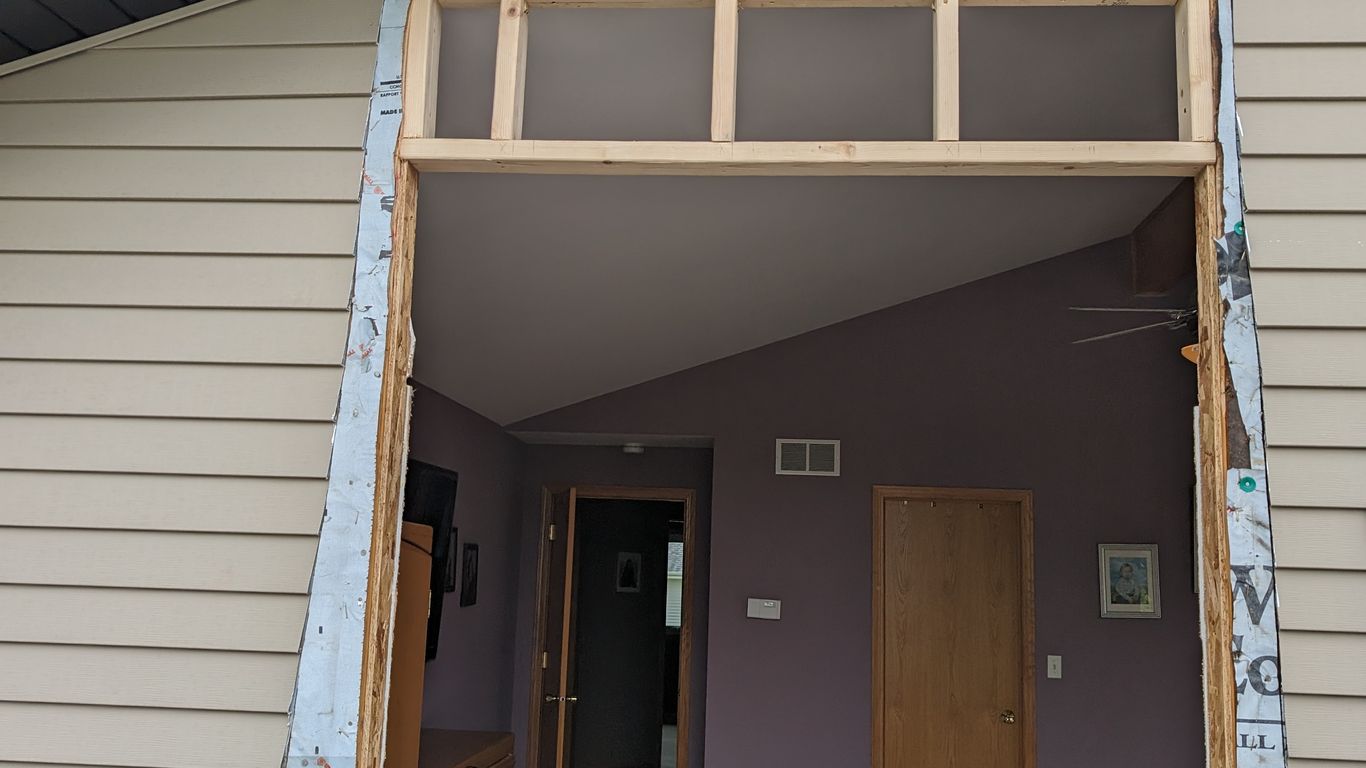
Before any new siding goes up, there’s some prep work. This is super important for making sure the new stuff lasts and looks good. First off, the old siding has to come off. This isn’t always as simple as it sounds. Sometimes, you find surprises underneath, like rotten wood or water damage. If that happens, it needs to be fixed before the new siding can go on. Think of it like getting ready for a big painting job – you wouldn’t paint over peeling old paint, right? The same idea applies here. It’s also a good time to check the condition of your home’s sheathing and any underlying structures. This is where professionals really earn their keep, spotting issues you might not even know exist.
- Old Siding Removal: The existing material is carefully taken off. This can include vinyl, wood, or even older fiber cement.
- Inspection and Repair: The exposed walls are checked for rot, mold, or structural damage. Any necessary repairs are made to create a solid base.
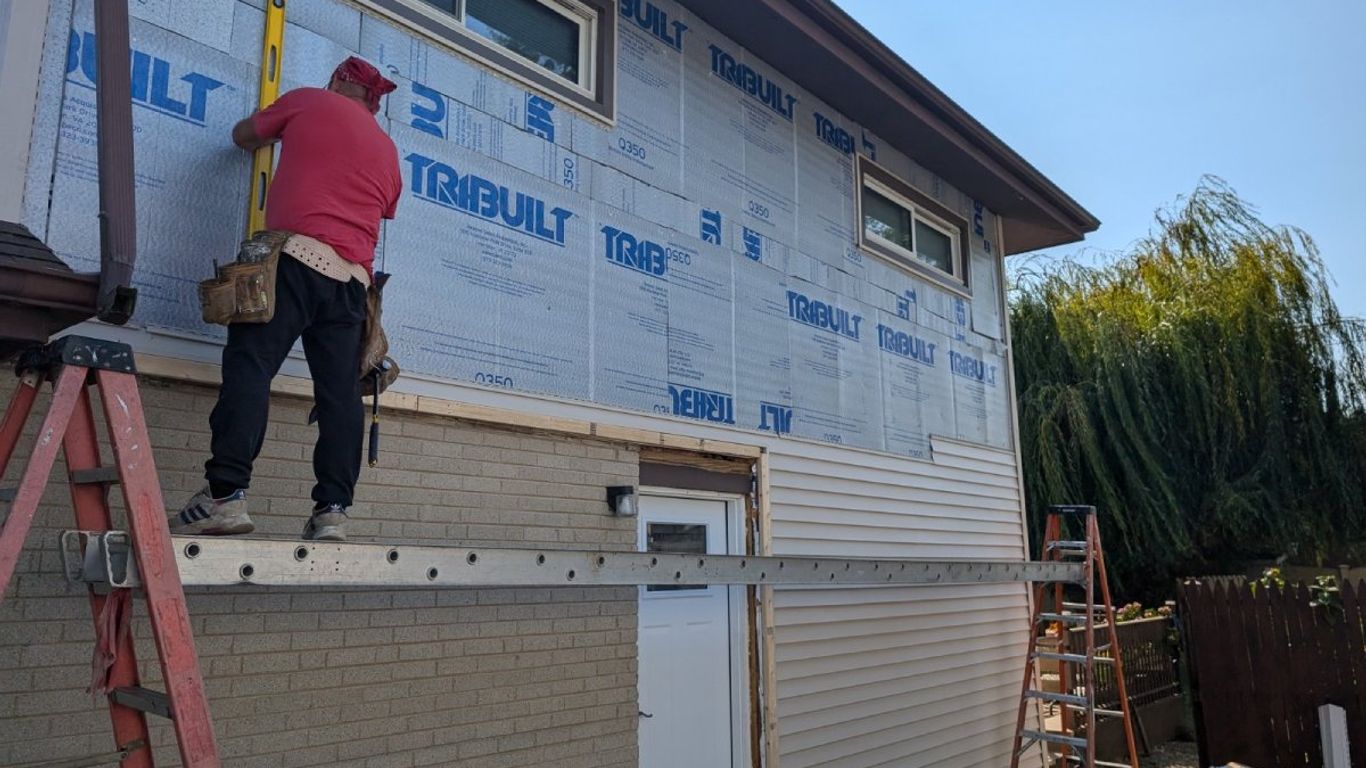
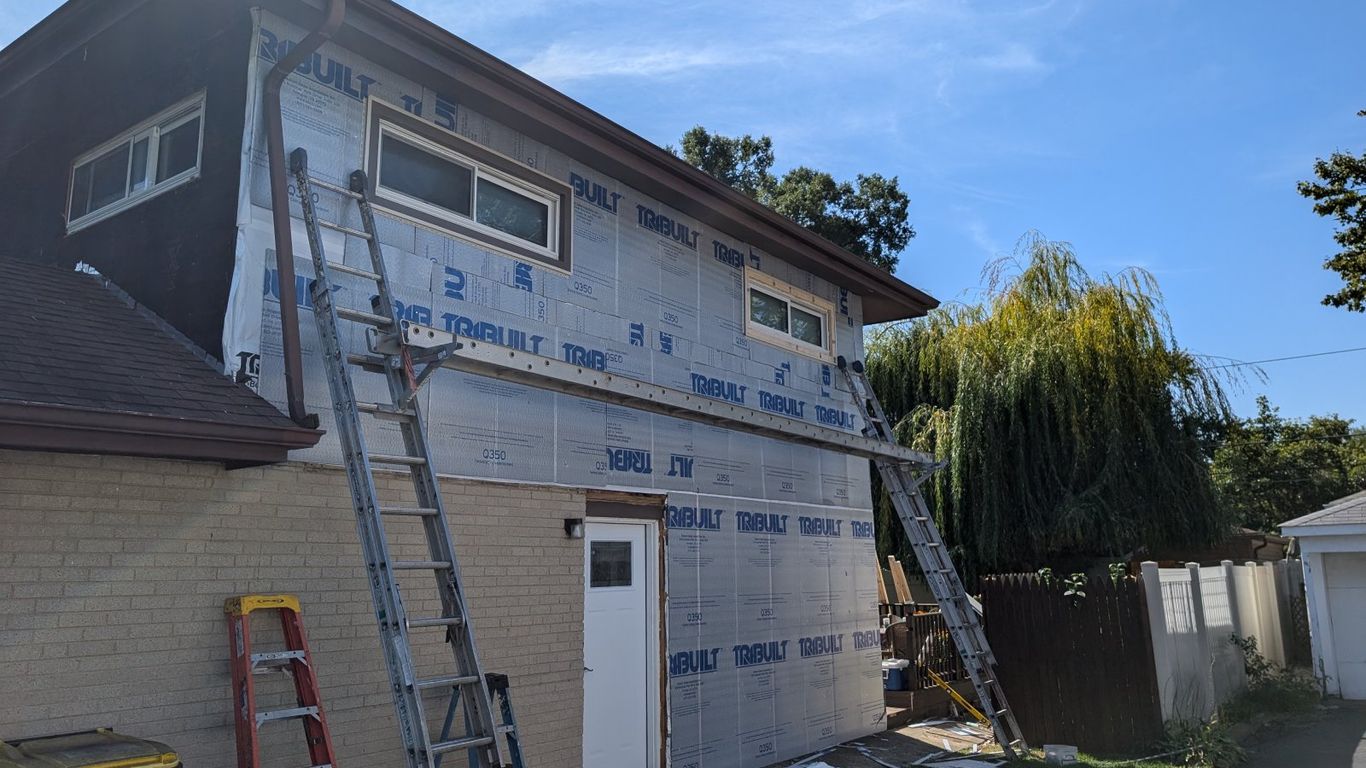
- House Wrap Installation: A protective layer, often called a house wrap or weather-resistant barrier, is installed. This helps keep moisture out and your home dry.
- Window and Door Flashing: Special attention is paid to sealing around windows and doors to prevent leaks.
This preparation phase is absolutely critical. Skipping steps here, or not doing them right, can lead to big problems down the road, like water intrusion and mold growth. It’s the foundation for a successful siding job.
Professional Installation Techniques
Once the prep work is done, the new siding goes on. This is where the skill of the installers really shows. Different materials have different installation needs. For example, vinyl siding needs to be installed with room to expand and contract with temperature changes. Fiber cement siding, being heavier, requires specific tools and techniques to handle safely and correctly. Professionals know these details. They use the right fasteners, ensure proper overlap, and follow manufacturer guidelines to the letter. This isn’t just about making it look good; it’s about making it perform well against the weather. A poorly installed siding job can lead to drafts, leaks, and a shorter lifespan for the material. For a detailed look at how this is done, you can explore the vinyl siding installation process.
Ensuring Long-Term Performance and Warranties
After the siding is up, the job isn’t quite finished. The final steps involve cleaning up the site and a final inspection. But the process continues long after the crew leaves. The siding material itself usually comes with a manufacturer’s warranty, covering defects in the product. Then there’s the contractor’s warranty, which covers the installation work. It’s really important to understand what each warranty covers and for how long. Keep all your paperwork organized! This is your protection if something goes wrong down the line. A good contractor will walk you through this and make sure you know what to expect. They’ll also advise on any basic maintenance needed to keep your new siding looking great and performing well for years to come. This might include simple cleaning or checking caulking around openings. The goal is a beautiful, durable exterior that you don’t have to worry about.
- Manufacturer Warranty: Covers defects in the siding material itself.
- Contractor Warranty: Covers the labor and installation.
- Maintenance Recommendations: Guidance on how to care for your new siding.
- Final Walk-through: A joint inspection to confirm satisfaction and address any minor touch-ups.
Siding Replacement: Addressing Common Concerns
Thinking about new siding can bring up a lot of questions, and that’s totally normal. It’s a big project, after all. Many homeowners worry about a few key things, like getting hit with unexpected costs, feeling totally lost in all the choices, or just wondering if the new siding will actually hold up over time. Let’s break down these common worries.
Avoiding Unexpected Costs and Hidden Problems
One of the biggest anxieties people have is the fear of the final bill being way higher than they first thought. This often happens when problems pop up that weren’t visible before the old siding came off. Think rotten wood behind the walls or issues with the house wrap. A good contractor will be upfront about the possibility of these issues and how they’ll handle them, but sometimes surprises still happen.
- Get detailed quotes: Make sure your estimate clearly lists everything included and what’s extra.
- Ask about contingency plans: How does the contractor handle unexpected structural issues?
- Understand payment schedules: Know when payments are due and what they cover.
It’s easy to get caught up in the excitement of a new look for your home, but it’s wise to set aside a little extra in your budget for the ‘what ifs.’ This buffer can save you a lot of stress if minor issues are discovered once the old siding is removed.
Overcoming Decision Paralysis with Expert Guidance
Seriously, the sheer number of siding materials, colors, and styles out there can be overwhelming. You might find yourself staring at samples for hours, feeling completely stuck. This is where a good siding professional really earns their keep. They can help you narrow down the options based on your home’s style, your budget, and what works best in our local climate. Don’t be afraid to ask for their recommendations; they deal with this every day.
Addressing Durability Worries with Quality Materials
Another common concern is whether the new siding will last. You’ve probably heard stories about vinyl siding cracking or fading, or maybe wood siding needing constant upkeep. The good news is that modern siding materials are much more durable than they used to be. Fiber cement, for example, is known for its toughness and resistance to the elements. Choosing a quality material and having it installed correctly by experienced professionals is key to a long-lasting investment. You can look into durable fiber cement options that are built to withstand a lot.
| Material Type | Typical Lifespan | Maintenance Needs | Weather Resistance |
|---|---|---|---|
| Vinyl | 20-40 years | Low | Moderate |
| Fiber Cement | 30-50 years | Low | High |
| Wood (properly maintained) | 15-30 years | High | Moderate |
Selecting a Trusted Siding Contractor
Finding the right person or team to replace your home’s siding is a big deal. It’s not just about slapping up some new material; it’s about making sure your house is protected and looks good for years to come. You want someone who knows their stuff, shows up on time, and doesn’t leave a mess.
What to Look for in a Siding Professional
When you’re looking for a contractor, there are a few key things to keep in mind. First off, check if they’re licensed and insured. This isn’t just paperwork; it means they’re legit and have protection in place if something unexpected happens. Also, ask about their experience, especially with the type of siding you’re interested in. A contractor who has been doing this for a while, and specifically with materials like fiber cement or vinyl, will likely do a better job. Don’t be afraid to ask for references or look at photos of their past work. Seeing examples of their projects can give you a good idea of their quality and style.
- Licensing and Insurance: Always verify they have the proper credentials.
- Experience: Look for a proven track record, especially with your chosen siding material.
- References and Portfolio: Ask to see examples of their work and talk to previous clients.
- Communication: A good contractor will explain the process clearly and answer all your questions.
- Written Contracts: Make sure everything is in writing, including timelines, materials, and costs.
The Importance of Experience and Local Knowledge
Local contractors often have a leg up because they understand the specific challenges of your area. They know about local building codes, what kind of weather your home needs to withstand, and even what styles tend to look good in your neighborhood. This local insight can make a big difference in the final outcome. Plus, a company that’s been around for a while in your community likely has a good reputation, which is usually a sign of reliable work. They’re invested in their local standing, so they’re more likely to do a job you’ll be happy with. It’s also helpful if they have experience with various siding materials that are popular in your region.
Choosing a contractor who understands your local climate and building requirements is just as important as the siding material itself. They can advise on the best options for durability and performance in your specific environment.
Building a Relationship for Peace of Mind
Ultimately, you want to feel comfortable with the people working on your home. This means finding a contractor who is not only skilled but also trustworthy and easy to communicate with. A good working relationship means you can voice concerns, ask questions, and feel confident that your project is in good hands. This peace of mind is priceless when you’re making a significant investment in your home. Look for a company that treats you like a valued client, not just another job. This often means they’ll be responsive, transparent about costs, and committed to finishing the project to your satisfaction. Remember, a good contractor is a partner in making your home look and perform its best.
Finding the right person to work on your home can feel tricky. You want someone you can trust to do a great job. Look for contractors with good reviews and clear communication. We’re here to help make your home look its best. Visit our website to learn more about our services and see how we can help you!
Wrapping It Up
So, there you have it. Replacing your home’s siding is a pretty big deal, but it’s totally doable. We’ve gone over the costs, the different materials you can pick from, and why it’s actually a good idea to get it done. Think better energy bills, a home that looks great, and less worry about the weather. It’s not just about making your house look nice; it’s about protecting your investment and making it more comfortable to live in. If you’re feeling a bit overwhelmed, that’s normal. Just remember to do your homework, get a few quotes, and find a contractor you feel good about. A solid siding job is worth the effort and will pay off for years to come.
Frequently Asked Questions
How much does it typically cost to replace siding?
The cost can vary a lot depending on the size of your house, the materials you pick, and how complex the job is. For a standard home, you might expect to pay anywhere from a few thousand dollars to over $15,000. Getting a few quotes from different companies is the best way to get a clear idea for your specific home.
What are the most popular siding materials available?
Some of the most common choices include vinyl, which is affordable and easy to care for; fiber cement, known for its toughness and resistance to fire and insects; and wood or composite materials, which offer a natural look but might need more upkeep. Each has its own pros and cons regarding cost, looks, and how long it lasts.
Will new siding make my home more energy-efficient?
Yes, definitely! Newer siding materials often provide better insulation than older ones. This means your home will stay warmer in the winter and cooler in the summer, which can lead to lower energy bills. Some siding options even have special foam backing for extra insulation.
How long does siding usually last?
The lifespan of your siding depends heavily on the material. Good quality vinyl siding can last 20-40 years, while fiber cement can last 50 years or even longer with proper care. Wood siding might need more frequent maintenance and replacement, typically every 10-20 years unless it’s very well-maintained.
What’s the difference between vinyl and insulated vinyl siding?
Regular vinyl siding is a solid choice, but insulated vinyl siding has a layer of rigid foam attached to the back of each panel. This extra layer makes it much better at keeping your home warm or cool, reducing noise from outside, and making it more resistant to dents and dings.
Should I hire a professional for siding replacement?
While it might seem like a DIY project, hiring a professional is highly recommended. They have the right tools, know the best installation techniques to ensure durability and weather resistance, and can often get better material prices. Plus, professional installation usually comes with a warranty, giving you peace of mind.