

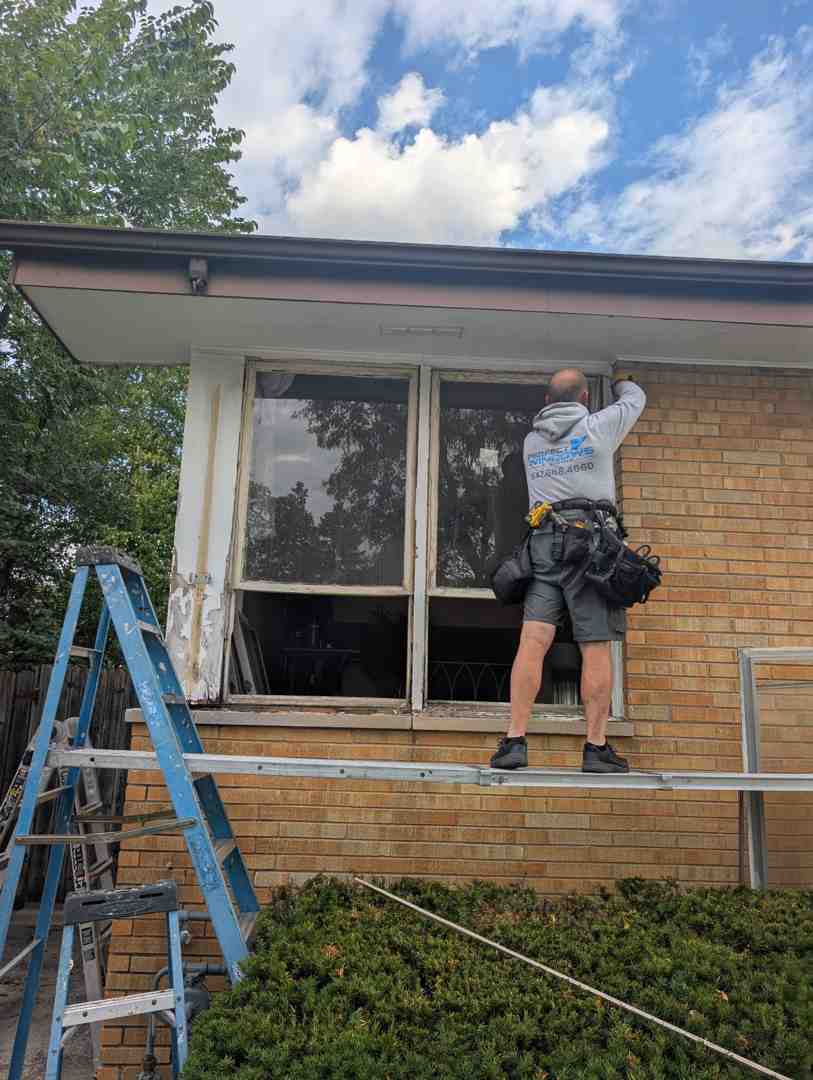
Why Finding the Right Window Installer Matters
Window fitters near me are local professionals who specialize in installing and replacing windows for residential and commercial properties. Here’s what you need to know:
How to Find Trusted Window Fitters:
- Verify licensing and insurance – Protect yourself from liability and ensure professional standards
- Check certifications – Look for FENSA approval, AAMA compliance, and manufacturer certifications
- Read customer reviews – Browse platforms like Google, Checkatrade, and Which? Trusted Traders
- Request detailed quotes – Compare pricing, materials, and warranties from at least three installers
- Ask about warranties – Quality fitters offer comprehensive coverage on both products and labor
- Review their portfolio – Examine past projects similar to your needs
What Professional Window Fitters Provide:
- Custom window solutions for your home’s specific needs
- Expert installation with proper sealing and insulation
- Energy-efficient options that reduce heating and cooling costs by up to 32%
- Professional removal of old windows and thorough cleanup
- Warranties that protect your investment
Windows do more than just let light into your home. They impact your energy bills, home security, comfort, and curb appeal. When they’re drafty, damaged, or outdated, you’re literally watching money fly out the window—the average household spends over 40% of its energy budget on heating and cooling.
Choosing the right window replacement contractor makes all the difference. Poor installation can negate even the best windows, leading to air leaks, moisture problems, and premature failure. Professional installation, on the other hand, ensures your new windows perform as designed for decades.
This guide walks you through everything you need to know about finding qualified window fitters near me, understanding your window options, recognizing when replacement makes sense, and making informed decisions that protect your investment. We’ll cover the installation process, how to vet contractors, what certifications matter, and how to spot quality workmanship.
I’m Voytek Glab, owner of Perfect Windows & Siding, and I’ve spent over 20 years helping Chicagoland homeowners find the right window solutions and connect with trusted window fitters near me. My experience has shown me that informed homeowners who know what questions to ask and what to look for consistently get better results and avoid costly mistakes.
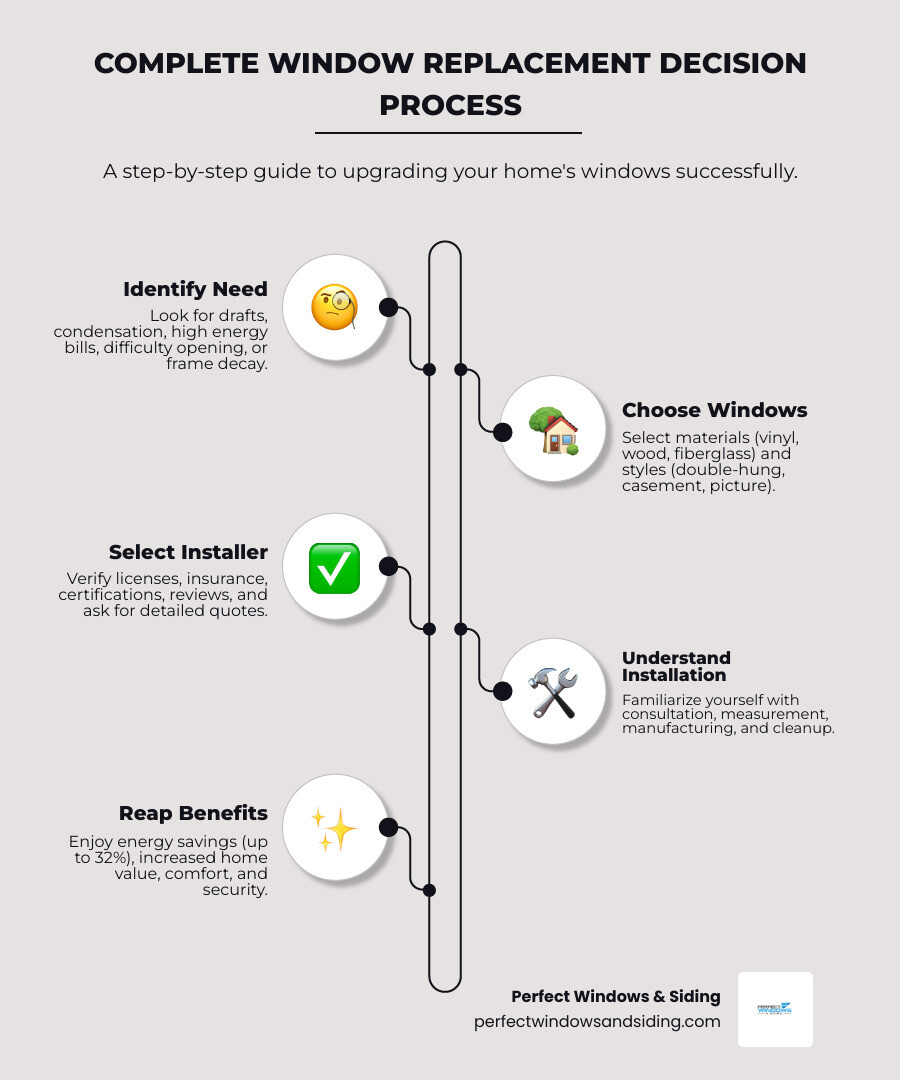
Similar topics to window fitters near me:
Is It Time for a Window Replacement? 7 Key Signs
Sometimes, our homes try to tell us something, and if you listen closely, your windows might be whispering (or screaming!) for an upgrade. Replacing your windows is a significant investment, but it’s often a necessary one that pays dividends in comfort, energy savings, and home value. So, how do you know it’s time to call in the window fitters near me? Here are seven key signs that indicate your windows are past their prime:

- Condensation Trapped Between Panes: If you notice fog or moisture trapped inside your double-pane windows, it means the seal has failed. This compromises the window’s insulating gas (like argon) and its ability to keep your home comfortable. It’s not just an aesthetic issue; it’s a sign of lost energy efficiency.
- Drafts and Air Leaks: Stand near your windows on a windy day. Do you feel a chilly breeze? Drafty rooms are a clear indicator that your windows aren’t sealing properly. These leaks allow conditioned air to escape and outside air to enter, making your HVAC system work overtime. For more on this, check out our Drafty Window Replacement Complete Guide.
- Rising Energy Bills: Are your heating and cooling costs steadily climbing without a change in usage? Inefficient windows are often the culprits. Upgrading to modern, energy-efficient windows can significantly reduce those bills, potentially by up to 32% with ENERGY STAR rated options.
- Difficulty Opening and Closing: Windows that stick, jam, or are hard to operate are more than just an annoyance. It could be due to warped frames, worn-out hardware, or a foundation shift. This can be a safety concern, especially in an emergency.
- Audible Outside Noise: If you’re hearing more of the hustle and bustle from outside than you’d like, your windows might not be providing adequate sound insulation. Modern windows, especially double- or triple-glazed options, are much better at blocking unwanted noise, contributing to a more peaceful indoor environment.
- Frame and Sill Decay: Inspect your window frames for signs of rot, mold, rust, or soft spots. Wood frames can rot due to moisture exposure, while vinyl or aluminum frames can crack or corrode. Deteriorating frames compromise the structural integrity and insulation of your windows.
- Cracked or Damaged Glass: A cracked pane is not only an eyesore but also a significant safety hazard and a direct pathway for energy loss. While a single pane might be repairable, widespread damage or issues with double-pane seals usually necessitate full replacement.
If you’re experiencing any of these issues, it’s a good time to consider a window replacement. While minor issues like broken hardware or a single cracked pane can sometimes be repaired, widespread problems like deteriorating frames or failed thermal seals mean replacement is the better long-term solution.
A Homeowner’s Guide to Replacement Window Options
When you decide it’s time for new windows, you’ll find a world of choices in materials, styles, and customization features. Understanding these options is key to making the best decision for your Chicagoland home. From boosting curb appeal to enhancing energy efficiency, the right windows can transform your living space. Dive deeper into the possibilities with our Chicago Home Window Replacement guide.
Choosing Your Window Frame Material
The material of your window frames plays a crucial role in their durability, maintenance, and energy performance. Our local window fitters near me can guide you through the best choices for the Chicago climate.
- Vinyl Windows: These are a popular choice due to their excellent energy efficiency, low maintenance, and affordability. Modern vinyl windows, especially those with multi-chamber profiles, are designed to insulate effectively. In fact, American vinyl windows can be 40% more efficient than what’s required by common national building codes.
- Wood Windows: Known for their classic aesthetic and natural insulation properties, wood windows offer timeless beauty. They can be painted or stained to match any decor, but they do require more maintenance than other materials, such as regular painting or sealing, to prevent rot and warping.
- Fiberglass Windows: Offering exceptional strength and stability, fiberglass frames are resistant to warping, rotting, and swelling. They’re highly durable and very energy-efficient, making them a fantastic long-term investment. Explore more with our Fiberglass Replacement Windows Chicago, IL resource.
- Aluminum Windows: While less common for residential replacement due to lower thermal performance compared to other materials, aluminum frames are slim, strong, and require minimal maintenance. They are often chosen for modern designs or commercial applications. Our team ensures that any aluminum products we install are stylish, secure, and extremely robust.
Each material has its pros and cons, and our experts can help you weigh them against your priorities for durability, maintenance, and energy efficiency.
Popular Window Styles Explained
Beyond materials, the style of your windows dictates their functionality and how they contribute to your home’s architectural character. Here are some of the most popular styles our window fitters near me often install:
- Double-Hung Windows: One of the most common window styles in America, double-hung windows feature two sashes that can both move up and down independently. This allows for versatile ventilation, as you can open the top sash to let hot air escape and the bottom sash to draw in cool air. Learn more in our Double Hung Windows Chicago guide.
- Single-Hung Windows: Similar to double-hung, but only the bottom sash moves upward, while the top sash remains fixed. They offer a classic look and are a cost-effective option.
- Casement Windows: These windows operate with a crank mechanism and open outward like a door, providing excellent ventilation and an unobstructed view. They are particularly popular above kitchen sinks because they’re easy to open. Our Casement Windows Chicago Ultimate Guide has all the details.
- Awning Windows: Hinged at the top, awning windows open outward from the bottom, creating an “awning” effect. This design allows for ventilation even during light rain, letting you hear the pitter-patter and feel the fresh air. They are often placed higher on walls for privacy and airflow.
- Picture Windows: These are fixed, non-opening windows designed to frame a beautiful view and maximize natural light. They are perfect for showcasing scenery and filling your space with brightness.
- Bay and Bow Windows: These neat window configurations extend outward from your home’s wall, creating extra interior space and a cozy nook. Bay windows typically consist of a large central picture window flanked by two smaller windows, while bow windows feature a series of equally sized windows forming a gentle curve.
Choosing the right style depends on your home’s architecture, your personal preferences, and how you want the window to function.
The Professional Window Installation Process
Replacing windows is more than just swapping old for new; it’s a precise process that ensures optimal performance and longevity. When you work with professional window fitters near me, you’re investing in expertise and a meticulous approach.
Here’s a typical step-by-step breakdown of how our team handles your window replacement project:
- Initial Consultation: We start with a comprehensive discussion about your needs, preferences, and budget. Our experts will assess your existing windows, discuss various materials and styles, and provide custom recommendations for your Chicago home. This is where we answer all your questions and ensure we’re on the same page.
- Professional Measurements: Precision is paramount. Our team will take detailed, exact measurements of each window opening. Custom manufacturing to exact specifications is a key part of our service, ensuring a perfect fit and preventing issues down the line.
- Custom Window Ordering: Once measurements are finalized and you’ve selected your preferred window types, materials, and features, we place the order with our trusted manufacturers. The manufacturing process typically takes several weeks, as each window is custom-built for your home. The total timeline for window replacement, including consultation, measuring, ordering, and manufacturing, can range from 4 to 15 weeks, depending on the scope of the project.
- Old Window Removal: On installation day, our skilled technicians will carefully remove your old windows. We take great care to protect your home and landscaping during this process, ensuring minimal disruption.
- New Window Installation: This is where the magic happens! Each new window is expertly installed into its prepared opening. Our Certified Master Installers take 30 to 60 minutes per window to install, ensuring every unit is plumb, level, and square. For a detailed overview, consult our Window Installation guide.
- Sealing and Insulation: Proper sealing and insulation are critical for energy efficiency and preventing drafts and moisture infiltration. We use high-quality flashing, insulation, and sealants to create an airtight and watertight barrier around each new window. We also offer window “capping,” which involves applying vinyl sheeting over the exterior wood trim for added protection and a finished look.
- Final Inspection and Cleanup: After installation, we conduct a thorough inspection to ensure everything meets our stringent quality standards and your complete satisfaction. Our team always treats your home with care, cleans up the work area thoroughly, and removes all old window debris, leaving your property spotless.
This structured approach ensures that your new windows are installed correctly, perform optimally, and provide lasting value to your home.
How to Find the Best Window Fitters Near Me
Finding reliable window fitters near me in Chicagoland is crucial for a successful window replacement project. With so many options, knowing how to vet professionals will save you time, money, and headaches. Our local expertise and commitment to quality craftsmanship mean we understand the unique needs of homes in areas like Chicago, Wilmette, and Naperville. For a deeper dive into selecting the right professionals, explore our guide to the Best Window Replacement Companies Chicago.
Key Qualities of a Trusted Window Installation Service
When evaluating potential window installers, look for these essential qualities to ensure you’re hiring a reputable and skilled team:
- Proper Licensing: Verify that the company holds all necessary state and local licenses to operate in Illinois. This demonstrates they meet professional standards and are legally permitted to perform the work.
- Full Insurance Coverage: A reputable company will carry liability insurance and workers’ compensation insurance. This protects you from financial responsibility in case of accidents or damage during the project.
- Strong Warranties: Look for comprehensive warranties that cover both the windows themselves (manufacturer’s warranty) and the installation labor. Our company, for instance, stands by a lifetime warranty on our products, reflecting our commitment to quality.
- Industry Certifications: Certifications from organizations like the American Architectural Manufacturing Association (AAMA) indicate that a company adheres to strict material performance standards. While FENSA is a UK-specific approval, in the US, look for certifications from organizations like the National Fenestration Rating Council (NFRC) and ensure products are ENERGY STAR rated.
- Verifiable Customer Reviews: Check online platforms like Google, Angi, and Yelp for customer testimonials. Look for consistent positive feedback regarding professionalism, communication, quality of work, and adherence to timelines. Companies with high ratings and a strong track record of customer satisfaction, like our own, are usually a safe bet. For more insights on finding quality service, see our Window Installation Service Chicago page.
Your Vetting Checklist for local window fitters near me
Once you’ve identified potential window fitters near me, use this checklist to thoroughly vet them:
- Request a Portfolio: Ask to see examples of their past work, especially projects similar to yours. This gives you a visual understanding of their craftsmanship and style.
- Get Detailed, Itemized Quotes: Don’t settle for a vague estimate. Demand a written, itemized quote that clearly outlines the cost of windows, labor, disposal, and any additional services. This prevents hidden surprises.
- Understand Window Terminology: A good contractor will be able to clearly explain terms like:
- Sash: The part of the window that holds the glass and opens or closes.
- Frame: The stationary part of the window that encloses the sash.
- U-Value: A measure of how well a window insulates. Lower U-values mean better insulation.
- SHGC (Solar Heat Gain Coefficient): Measures how much solar radiation is admitted. Lower SHGC means less heat gain.
- Grids: Decorative strips between glass layers that simulate multiple panes.
- Ask About Their Team: Inquire whether they use their own employees or subcontractors. Understand their experience level and training.
- Review Contracts Carefully: Insist on a written contract that details the scope of work, materials, timeline, payment schedule, and warranty information. Never release final payments until the job is completed to your satisfaction.
For more in-depth questions to ask, our 10 Questions to Ask Your Window Contractor guide is an excellent resource.
Decoding Labels to find energy-efficient window fitters near me
When searching for energy-efficient window fitters near me, understanding certain labels and standards is paramount. These certifications help you identify windows that will genuinely reduce your energy consumption and improve home comfort in the Chicago area.
- Understanding ENERGY STAR ratings: ENERGY STAR is a government-backed symbol for energy efficiency. Windows with this label meet strict energy performance standards established by the U.S. Environmental Protection Agency. Installing ENERGY STAR windows can reduce your energy bills by up to 32%, making them a smart choice for your home. For example, in our Northern region, ENERGY STAR windows must have a U-Value of 0.35 or below.
- Reading an NFRC energy performance label: The National Fenestration Rating Council (NFRC) label provides an independent, standardized way to compare the energy performance of windows. It lists key metrics like:
- U-Factor (U-Value): Measures how well a window prevents heat from escaping. Lower numbers mean better insulation.
- Solar Heat Gain Coefficient (SHGC): Measures how much solar radiation (heat) is admitted through a window. Lower numbers mean less heat gain, which is crucial for cooling in summer.
- Visible Transmittance (VT): Measures how much light comes through a window.
- Air Leakage (AL): Measures how much air passes through the window assembly. Lower numbers mean less draft.
All American windows we install carry the NFRC label, ensuring they are independently tested and certified to meet your energy needs.
- AAMA Material Standards: The American Architectural Manufacturing Association (AAMA) sets voluntary material performance standards for the window industry. Windows that meet or exceed AAMA guidelines are tested for durability, structural integrity, and resistance to air and water leakage. This ensures the windows themselves are built to last.
By looking for these labels and understanding what they mean, you can confidently choose window fitters near me who offer products that truly deliver on energy efficiency. For more tips on making an informed purchase, check out our Tips for Buying Energy Efficient Windows.
Frequently Asked Questions about Window Replacement
We get a lot of questions from homeowners in Chicagoland about window replacement. Here are some of the most common ones, answered by our experts.
What factors influence the cost of window replacement?
The cost of window replacement isn’t a one-size-fits-all number. It varies widely based on several factors, which is why getting a detailed, itemized quote from window fitters near me is so important. On average, window replacement costs between $180 and $410 per window, but specific jobs can range from $100 to $750. Here’s what typically influences the price:
- Window Size and Quantity: Larger windows naturally cost more, and the total number of windows being replaced directly impacts the overall project cost. Replacing multiple windows at once can sometimes lead to bundled savings.
- Frame Material: As discussed, materials like vinyl, wood, fiberglass, and aluminum each come with different price points due to their manufacturing processes, durability, and maintenance requirements.
- Window Style: Simple styles like single-hung or picture windows are generally less expensive than more complex designs such as casement, bay, or bow windows, which require more material and specialized installation.
- Glass Package: The type of glass you choose significantly affects cost. Standard double-pane glass is more affordable, but upgrading to triple-pane, low-emissivity (Low-E) coatings, or gas fills (like argon or krypton) for improved energy efficiency will increase the price.
- Labor Complexity: The ease of installation plays a role. Replacing a standard window in an easily accessible opening will cost less in labor than replacing a uniquely shaped window, one in a hard-to-reach spot, or one that requires significant frame repair or modifications to the opening.
For a comprehensive breakdown of expenses, refer to our How Much Does Window Replacement Cost? guide.
What are the benefits of energy-efficient windows?
Investing in energy-efficient windows is one of the smartest upgrades you can make for your Chicagoland home. The benefits extend far beyond just looking good:
- Lower Utility Bills: This is often the primary driver for homeowners. By minimizing heat transfer, energy-efficient windows reduce the workload on your heating and cooling systems. As we mentioned, installing ENERGY STAR windows can cut your energy bills by up to 32%.
- Consistent Indoor Temperature: Say goodbye to hot spots in summer and cold spots in winter. Energy-efficient windows help maintain a steady, comfortable temperature throughout your home, ensuring your HVAC unit isn’t overworked.
- Reduced Carbon Footprint: Using less energy for heating and cooling means your home contributes less to greenhouse gas emissions, making it a more environmentally friendly living space.
- UV Protection for Interiors: Many energy-efficient windows come with Low-E coatings that block harmful ultraviolet (UV) rays. This helps prevent your furniture, flooring, and artwork from fading prematurely.
- Noise Reduction: The multiple panes of glass and improved sealing in energy-efficient windows act as a barrier against outside noise, creating a quieter and more peaceful indoor environment.
For more information on these benefits, explore our Energy Efficient Window Replacement page.
Should I repair or replace my windows?
This is a common dilemma for homeowners. The decision to repair or replace often comes down to the extent of the damage and your long-term goals for your home. Our window fitters near me can help you assess the situation, but here’s a general guideline:
-
Repair for Isolated Issues:
- Cracked Single Pane: If only one pane of glass in a single-pane window is cracked, it can often be replaced without needing to swap out the entire window.
- Broken Hardware: A faulty lock, hinge, or crank mechanism can usually be repaired or replaced, especially if the window frame and glass are in good condition.
- Minor Seal Problems: Superficial leaks or drafts around the frame might be resolved with new weatherstripping or caulk.
- Misty Glass: If only the sealed unit of a double-pane window has failed, causing condensation between the panes, a professional can often replace just the glass unit, not the entire frame.
-
Replace for Widespread Problems:
- Frame Rot or Deterioration: Extensive rot in wood frames or significant damage/warping to vinyl/fiberglass frames compromises structural integrity and insulation, making full replacement the better long-term solution.
- Failed Double-Pane Seals (Multiple Windows): If several of your double-pane windows have failed seals, it indicates a systemic issue, and replacing them will offer better energy efficiency.
- Poor Energy Performance: If your windows are old, single-pane, or simply not insulating well, leading to high energy bills and uncomfortable drafts, replacement is the most effective way to improve your home’s energy efficiency.
- Outdated Style: Sometimes, the windows are perfectly functional but simply don’t match your home’s aesthetic or your renovation goals. In such cases, replacement is a design choice.
While repairing minor issues can be more cost-effective in the short term, a full replacement is usually the better investment for deteriorating frames, major leaks, or significant energy efficiency concerns. For repair options in Chicagoland, visit our Residential Window Repair Near Me page.
Conclusion
Navigating window replacement can seem daunting, but with the right information and a trusted partner, it becomes a smooth and rewarding experience. We’ve walked through the key signs it’s time for new windows, explored the diverse options in materials and styles, demystified the professional installation process, and provided a comprehensive checklist for finding the best window fitters near me.
Choosing professional installation is not just about getting new windows; it’s about making a long-term investment in your home’s comfort, energy efficiency, security, and curb appeal. A proper installation ensures your windows perform as designed for decades, protecting your home and your wallet.
For homeowners in the Chicago area, a local, family-owned business like Perfect Windows & Siding offers experienced installation and custom solutions. With over 20 years of experience, we pride ourselves on quality craftsmanship, personalized customer service, and a commitment to your satisfaction, backed by a lifetime warranty.
Ready to improve your home with beautiful, energy-efficient windows? Contact us to begin your window installation project today.