

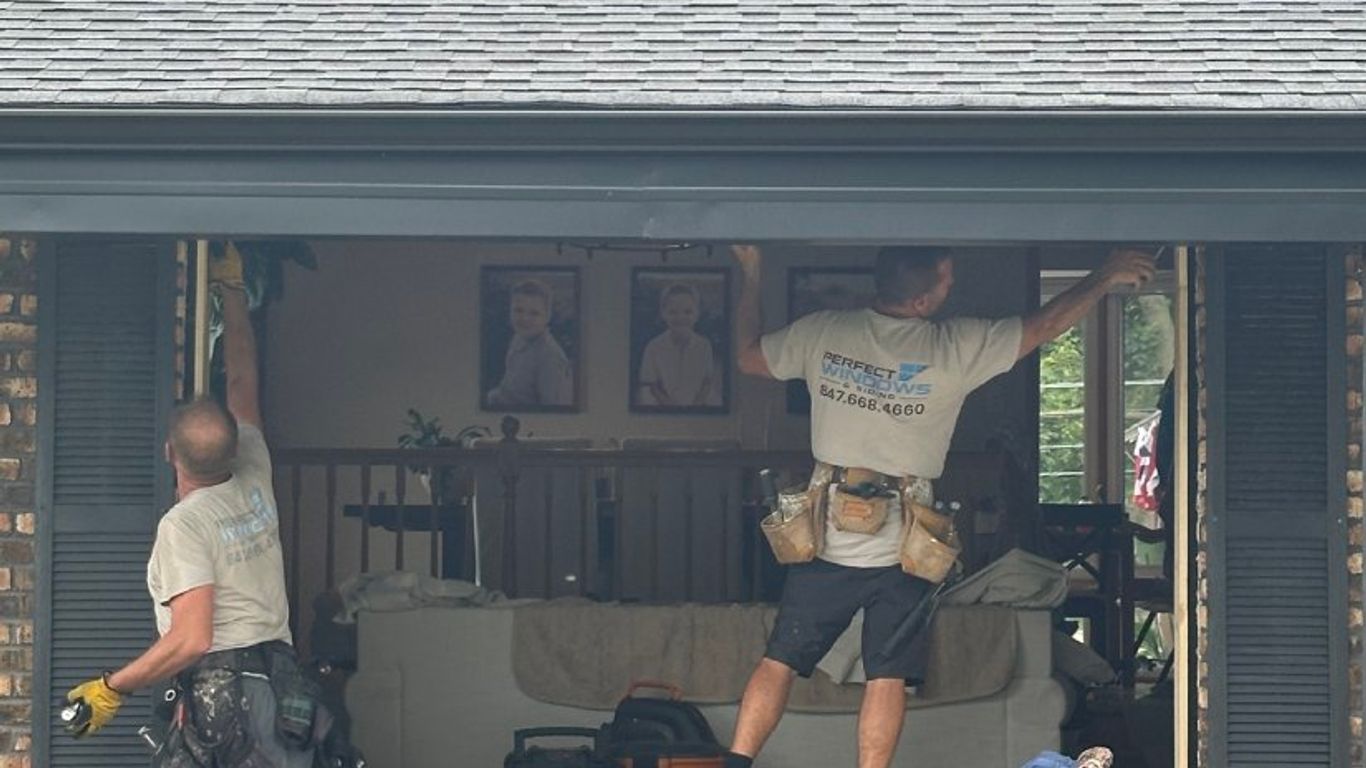
Thinking about swapping out those old, drafty windows? You’re not alone. Window replacement is a big project, and honestly, it can feel a little overwhelming. There’s a lot to consider, from how much it’ll cost to what kind of windows will actually make a difference in your home. This guide is here to break it all down, making the whole process of window replacement much clearer. We’ll cover the expenses, the good stuff you get, and some tips from folks who know their stuff, all looking ahead to 2026.
Key Takeaways
- Understanding the total cost of window replacement involves looking at more than just the window itself. Factors like frame material, glass type, installation method (retrofit vs. full-frame), and any necessary structural repairs all play a big part in the final estimate.
- Choosing the right materials and styles is important. Vinyl is often a good balance of cost and durability, while different window styles like double-hung or casement offer various benefits. High-efficiency glass packages, like double or triple-pane with Low-E coatings, are key for saving on energy bills.
- Installation methods matter. Retrofit (pocket) installation is quicker and cheaper if your existing frames are in good shape, but full-frame replacement is better for addressing rot or maximizing glass space and structural integrity.
- Energy efficiency is a major benefit of window replacement. Look for low U-factors and consider triple-pane glass and Low-E coatings, especially in climates with extreme temperatures, to keep your home comfortable and reduce heating/cooling costs.
- Professional installation is crucial for performance and longevity. While it might seem like an added cost, it prevents future issues, ensures proper sealing, and often comes with warranties, making it a worthwhile investment for your window replacement project.
Understanding Window Replacement Costs
So, you’re thinking about new windows. That’s a big step, and the first thing on most people’s minds is, "How much is this going to cost me?" It’s a fair question, and the truth is, there’s no single dollar amount that fits everyone. The price tag for new windows can swing quite a bit, depending on a whole bunch of things. We’re talking anywhere from a few hundred bucks for a single, basic window to many thousands for a whole house full of high-end ones. The biggest cost drivers are usually the window itself and how it gets installed. Let’s break down what goes into that estimate.
Factors Influencing Your Window Replacement Estimate
When you get a quote, you’ll see a few main things that make the numbers go up or down. First off, the material of the frame is a big deal. Vinyl is usually the most budget-friendly, offering good insulation without breaking the bank. Wood frames look beautiful, especially in older homes, but they cost more upfront and need more upkeep. Fiberglass is a premium option, known for its durability and energy efficiency, but it comes with a higher price tag. Then there’s the style of the window. Simple picture windows are generally less expensive than windows that open, like double-hung or casement styles, which have more moving parts. The type of glass you choose also plays a role. Standard double-pane windows are common, but if you’re looking for better insulation and noise reduction, triple-pane glass or special coatings will add to the cost. Don’t forget about the condition of your existing window frames and the surrounding wall. If there’s rot or damage, that needs to be fixed before the new window can go in, and that’s an extra cost.
Estimating Costs for Different Window Quantities
Buying windows one at a time can get expensive quickly. If you’re looking to replace multiple windows, it almost always makes more financial sense to do them all at once. Think about it: the crew has to travel to your house, set up, and pack up for each job. Doing a whole house means they can be more efficient. For example, replacing just one or two windows might cost you between $430 and $1,450 per window, including installation. But if you’re tackling ten windows, the per-window cost often drops significantly, potentially bringing the total for the project into the $8,000 to $11,000 range. For a larger home with around 20 windows, you might be looking at $17,000 to $25,000 for standard vinyl windows. Doing a whole-house project can often lead to savings of 15% to 30% per window compared to replacing them piecemeal. It also guarantees that all your new windows will match in style and age, which is a nice bonus.
The Impact of Window Size and Custom Shapes
It might seem obvious, but the size of your windows really does affect the price. Larger windows need more material, both for the glass and the frame, which naturally increases the cost. However, the labor involved in installing a small window versus a medium-sized one is often pretty similar. Where the costs really start to climb is when you get into custom shapes or special configurations. Think arched windows, circles, or windows that are joined together in unique ways (that’s called mulling). These custom jobs require more specialized manufacturing and often more intricate installation, so they will definitely cost more than standard rectangular windows. If you’re unsure about your window sizes, getting accurate measurements beforehand can help you get a more precise estimate when you talk to professionals. You can find more details on replacement window estimates.
When you’re getting quotes, make sure they’re detailed. A good estimate should break down the cost of the windows themselves, the labor for installation, and any other fees like disposal of old windows or permits. Don’t be afraid to ask questions if something isn’t clear. Understanding exactly what you’re paying for upfront can save you a lot of headaches later on. The average cost to replace a single window is around $477, but this can vary widely based on all the factors we’ve discussed. This guide offers more insights into those average costs.
Choosing the Right Window Materials and Styles
Picking out new windows can feel like a big decision, and honestly, it is. It’s not just about how they look, though that’s important too. The materials and styles you choose will affect how well your windows work, how much upkeep they need, and how long they last. Let’s break down some of the main options.
Exploring Frame Material Options
The frame is like the window’s skeleton. It holds everything together and plays a big part in how well the window insulates and how much work it needs over the years. You’ve got a few main players here:
- Vinyl: This is probably the most common choice for a reason. It’s usually the most budget-friendly, doesn’t need much upkeep – no painting or sealing required – and offers pretty good insulation. It’s a solid, no-fuss option for many homes.
- Wood: If you’re going for a classic, warm look, especially in older homes, wood frames are hard to beat. They look great, but they do need more attention. You’ll need to keep them painted or sealed to protect them from moisture and rot. They can also be more expensive than vinyl.
- Fiberglass: This is a more premium material. Fiberglass is super strong and doesn’t expand or contract much with temperature changes, which is great for places with wild weather swings. It’s also very energy-efficient and low-maintenance, but it comes with a higher price tag.
- Composite: Think of this as a blend. Composite materials try to give you the look of wood with the low-maintenance benefits of vinyl. They’re durable and can be a good middle-ground, though they can also be on the pricier side.
Here’s a quick look at how they stack up:
| Frame Material | Durability | Maintenance Level | Estimated Cost (Installed) |
|---|---|---|---|
| Vinyl | High | Very Low | $400 – $1,200 |
| Wood | Moderate | High | $1,250 – $3,000 |
| Fiberglass | Very High | Low | $1,300 – $1,800 |
Selecting the Ideal Window Style for Your Home
Beyond the frame, the style of the window itself makes a difference in both function and appearance. Think about how you want your windows to open and what look you’re going for.
- Double-Hung: These are super common in American homes. Both the top and bottom sashes can slide up and down, making them easy to clean and ventilate. They’re a reliable, classic choice.
- Casement: These windows crank open outwards, kind of like a door. They often create a really tight seal when closed, which is great for energy efficiency. They’re a good pick if you want a modern look and good airflow.
- Picture Windows: These don’t open at all. They’re basically large panes of glass designed to let in a ton of natural light and offer great views. Because they don’t have moving parts, they can be very energy-efficient and are often more affordable than operable windows of the same size.
- Bay and Bow Windows: These project out from the house, adding space and architectural interest. Bay windows usually have three panels, with a large picture window in the middle and smaller windows on the sides. Bow windows have a more curved appearance with multiple, narrower panels. They really change the look of a room and can add a lot of light. Plantation shutters can complement these styles beautifully, offering both light control and privacy [df90].
The Role of Glass Technology in Efficiency
Don’t forget the glass itself! This is where a lot of the magic happens when it comes to keeping your home comfortable and saving on energy bills. Standard windows used to just have one pane of glass, but that’s pretty much a thing of the past for new installations. Most new windows come with at least double-pane glass, meaning there are two panes with a space in between. This gap is often filled with an inert gas like Argon, which is a better insulator than plain air. This setup alone can cut down on heat loss significantly compared to old single-pane windows.
For homes in areas with harsh weather, like Chicago, paying attention to the window’s U-factor and Low-E coatings is really important. These features help keep heat inside during the winter and outside during the summer, making a big difference in comfort and energy costs.
Upgrading to triple-pane glass means adding a third layer of glass and another gas-filled space. This offers even better insulation and can also help cut down on outside noise, which is a nice bonus if you live near a busy road or airport. Low-E (Low Emissivity) coatings are also a big deal. These are thin, invisible layers on the glass that reflect heat. In the summer, they bounce solar heat away from your home, and in the winter, they help keep your home’s heat from escaping. These glass technologies are key to making your new windows work harder for you.
Installation Methods and Structural Considerations
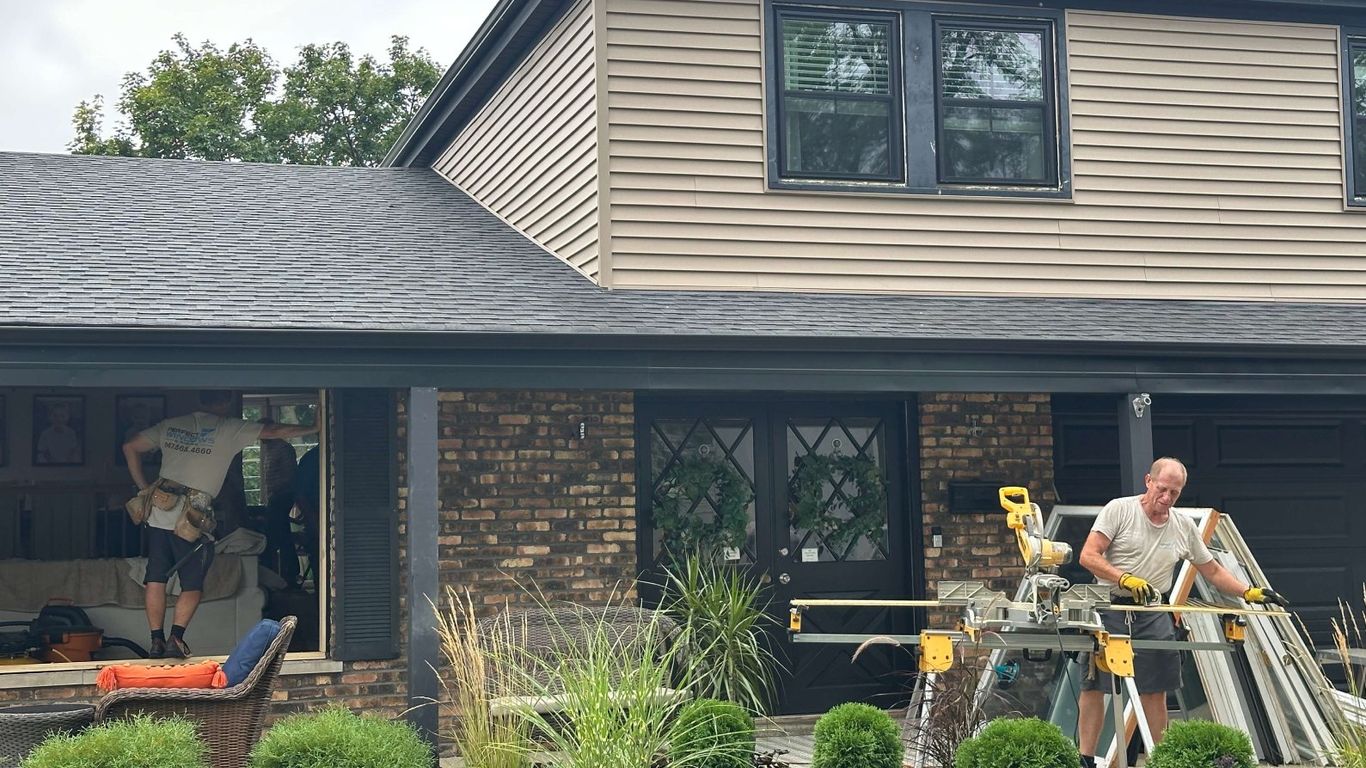
When you’re getting new windows, how they’re actually put into your house makes a big difference. It’s not just about the window itself, but how it fits into your home’s structure. There are two main ways this usually happens: retrofit (or insert) and full-frame replacement. Picking the right one depends a lot on the condition of your current window frames and what you want to achieve.
Retrofit vs. Full-Frame Replacement Explained
Retrofit installation, sometimes called "pocket" installation, is when a new window unit is slid right into your existing window frame. This works best if your current frames are still in good shape – meaning they’re square, level, and not rotten. It’s generally quicker and less disruptive because it keeps your interior and exterior trim in place. You do lose a little bit of glass space because the new window frame sits inside the old one, but it’s often a more budget-friendly option. Labor for this type of install usually starts around $75–$200 per window.
Full-frame replacement, on the other hand, is more involved. We take everything out, right down to the rough opening – the studs or brickwork behind the old frame. This method is necessary if there’s any sign of moisture damage, rot, or if you’re looking to maximize the glass area. It’s the best way to make sure everything is structurally sound and allows us to check for hidden issues. Because it’s more invasive and requires new trim, the labor costs can jump up by $250–$500 per window. This is the method that allows us to inspect for hidden water damage and install new insulation and flashing, giving you the best chance for 100% structural integrity. You can find more about these processes on our Chicago Window Replacement page.
Addressing Structural Repairs During Installation
Sometimes, when we pull out an old window, we find more than just a drafty frame. Rot from years of leaks can weaken the surrounding wood, like the jack studs that support the header above the window. If we find this kind of damage, it absolutely needs to be fixed before the new window can go in. This might involve replacing damaged studs or reinforcing a sagging header. These repairs are critical for the long-term stability of your home. It’s not just about the window looking good; it’s about making sure the wall it sits in is solid.
The Importance of Professional Installation
No matter how high-quality the window you buy, if it’s not installed correctly, it just won’t perform as it should. Professional installation is really where the magic happens. It means the window is sealed properly against the elements, operates smoothly, and is built to last. In places like Chicago, where the weather can be pretty extreme, having windows that are installed to meet local building codes is super important. For example, Florida Statute §553.79 mandates Special Inspectors for certain buildings, and while that’s specific to Florida, it highlights the importance of proper oversight. A good installer knows how to handle the unique challenges of your home’s structure and ensures everything is up to code. They’ll also make sure your warranty stays valid. It’s about getting that peace of mind that your investment is protected and your home is sealed tight. You can see a step-by-step demonstration of how a replacement window is installed by a pro like Tom Silva from This Old House.
When you’re looking at window replacement, think about the whole picture. It’s not just about picking a nice-looking window from a catalog. The way it’s installed, the condition of the wall it’s going into, and whether any structural work is needed are all part of the puzzle. Skipping these steps or choosing the wrong installation method can lead to problems down the road, like drafts, leaks, or even structural issues. It’s always better to address these things upfront with a professional who knows what they’re doing.
Maximizing Energy Efficiency with New Windows
So, you’re thinking about new windows, and you want them to do more than just look pretty. That’s smart! The right windows can seriously cut down on your heating and cooling bills. It’s not just about keeping the weather out; it’s about keeping your comfortable temperature in. This is where the real long-term savings happen.
Comparing Double-Pane and Triple-Pane Glass
When we talk about energy efficiency, the glass is a big deal. Most new windows these days come with double-pane glass, which is a huge step up from old single-pane windows. It means there are two layers of glass with a space in between, usually filled with air or an inert gas like argon. This gap acts as a barrier, slowing down heat transfer.
- Double-Pane: This is the standard for good reason. It can cut heat loss by a good chunk compared to older windows. Expect to pay around $300 to $800 per window for this.
- Triple-Pane: If you want to go the extra mile, triple-pane is the way to go. It adds a third layer of glass and another insulating gas-filled space. These are even better at keeping heat in (or out, depending on the season) and are also great for blocking noise. They usually add about $200 to $400 per window to the cost.
Understanding Energy-Efficient Features
Beyond just the number of panes, there are other features that make windows more efficient:
- Low-E Coatings: These are super thin, invisible metallic layers on the glass. They’re pretty clever – they reflect heat. In the summer, they bounce solar heat away from your house, and in the winter, they reflect your home’s heat back inside. This helps keep your home comfortable year-round.
- Gas Fills: As mentioned, windows often have argon or krypton gas between the panes instead of just air. These gases are denser than air and do a better job of slowing down heat transfer.
- Frame Materials: While glass is key, the frame matters too. Materials like vinyl and fiberglass are good insulators and don’t expand and contract as much with temperature changes, which helps maintain a good seal.
- Warm-Edge Spacers: These are the strips that separate the glass panes. Older metal spacers can conduct heat, but newer
Budgeting for Your Window Replacement Project
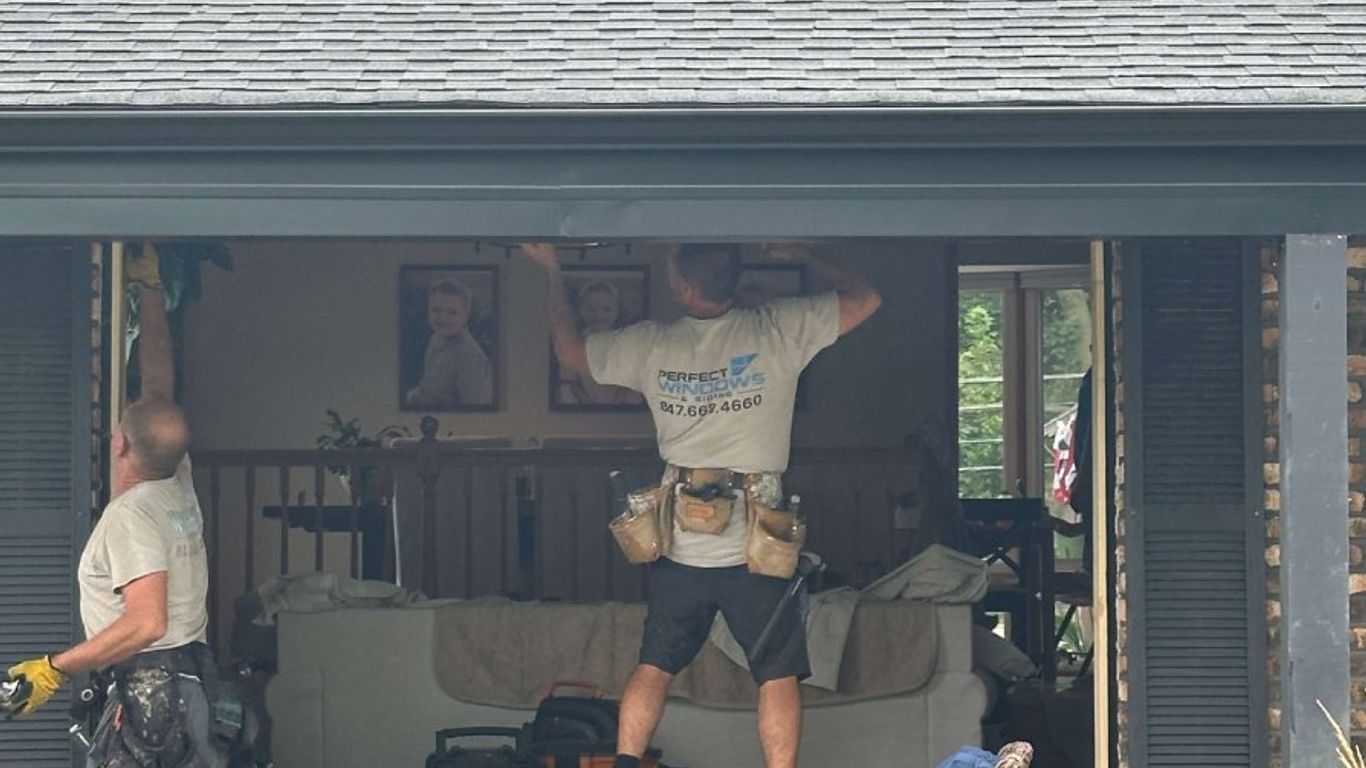
Alright, let’s talk about the money side of things. Replacing your windows isn’t exactly like buying a new toaster; it’s a bigger project, and you want to make sure you’ve got a handle on all the costs involved. Nobody likes those surprise fees popping up halfway through, right? So, let’s break down how to budget effectively.
Identifying Hidden Costs and Fees
Beyond the sticker price of the windows themselves, there are a few other things that can add up. You’ve got disposal fees for your old windows – they don’t just vanish into thin air. Depending on where you live, you might need a permit from your local municipality, which can add a bit to the bill. And if your home was built before 1978, there’s a legal requirement for lead paint testing and safe removal, which is an important safety step but does come with a cost. Always ask your contractor for a detailed breakdown so you know exactly what you’re paying for.
It’s super important to get a quote that’s as
The Return on Investment of Window Replacements
So, you’re thinking about new windows. It’s a big project, no doubt about it, and the cost can seem pretty steep at first glance. But here’s the thing: replacing your windows isn’t just about making your house look nicer or stopping those drafts. It’s actually a pretty smart financial move. When you invest in new windows, you’re not just spending money; you’re putting it back into your home in ways that pay off down the line.
Boosting Home Value and Curb Appeal
Let’s talk about first impressions. Old, worn-out windows can really drag down how your house looks from the street. Think cracked panes, peeling paint, or frames that just look tired. New windows, on the other hand, instantly make your home look more polished and well-maintained. This isn’t just about vanity; it directly impacts your home’s value. Buyers notice these things, and updated windows can make a significant difference when it comes time to sell. In fact, studies show that new windows can recoup a good chunk of their cost, sometimes around 70% to 85% of what you spent, when you sell your home.
Long-Term Savings on Energy Bills
This is where you really start to see the money come back to you month after month. Those old windows? They’re probably leaking a ton of heated or cooled air. You know that feeling when you stand near a window in the winter and feel a cold draft? That’s your money literally flying out the window. New, energy-efficient windows create a much better seal. They keep the warm air in during the winter and the cool air in during the summer. This means your heating and cooling systems don’t have to work as hard. Over time, this translates into noticeably lower energy bills. It might not sound like much per month, but add it up over a year, or five, or ten years, and it really starts to make a difference. Plus, you’ll likely feel more comfortable in your home, with fewer hot and cold spots.
Peace of Mind with a Well-Sealed Home
Beyond the money and the looks, there’s a real sense of security that comes with new windows. You know that your home is better protected from the elements. No more worrying about water seeping in around old frames or drafts that make you feel like you’re living in a sieve. It’s about having a home that’s comfortable, secure, and less of a hassle to maintain. You get the satisfaction of knowing you’ve made a solid improvement that benefits you now and adds lasting value to your property. It’s a win-win, really.
Here’s a quick look at what you can expect:
- Improved Comfort: Say goodbye to drafts and uneven temperatures.
- Reduced Energy Costs: Lower heating and cooling bills year after year.
- Increased Home Value: A significant boost to your property’s market price.
- Enhanced Security: Modern windows offer better protection.
- Less Maintenance: New windows require far less upkeep than old ones.
Investing in new windows is one of those home improvement projects that just makes sense. It’s not just about aesthetics; it’s about making your home more efficient, more comfortable, and more valuable. The initial cost is an investment that continues to pay dividends through energy savings and increased home value for years to come.
Thinking about new windows? You might be surprised how much money you can save in the long run by upgrading your old ones. New windows can make your home more comfortable and lower your energy bills. Ready to see how much you could save? Visit our website today to learn more about window replacement and get a free quote!
Wrapping Up Your Window Project
So, that’s the lowdown on getting new windows. It might seem like a lot to think about, with all the different costs and choices, but breaking it down makes it way more manageable. Remember, new windows aren’t just about looks; they’re a solid investment in your home’s comfort and how much you save on energy bills year after year. Taking the time to get accurate quotes and understand what you’re paying for will save you headaches later. Plus, a good installation means you won’t have to worry about drafts or leaks for a long, long time. Happy window hunting!
Frequently Asked Questions
How much does it usually cost to replace all the windows in a house?
Replacing all the windows in a typical home, say around 10 to 20 windows, can range from about $8,000 to $25,000 or even more. The final price really depends on the size of your house, the type of windows you pick (like vinyl, wood, or fiberglass), and how fancy the glass is. If you’re looking at super high-end windows, the cost can go up quite a bit.
Is it cheaper to replace all my windows at once?
Yes, it’s almost always more cost-effective to replace all your windows at the same time. When a company does a whole house at once, they save money on things like getting their equipment to your home and can often get better prices on materials. You might see a discount of 15% to 30% per window compared to doing them one by one.
What’s the difference between retrofit and full-frame window replacement?
Retrofit replacement, also called ‘pocket’ installation, is when a new window is fitted into your existing old frame. It’s quicker and usually cheaper because you keep your old trim. Full-frame replacement means taking out the entire old window, down to the bare opening in the wall. This is better if your old frames are damaged or rotten, and it lets us check for any hidden problems and add new insulation.
What makes some windows more energy-efficient than others?
Energy-efficient windows usually have double or triple panes of glass with a special gas, like Argon, sealed between them to help keep heat in during the winter and out during the summer. They also often have special invisible coatings called Low-E coatings that help reflect heat. Choosing windows with a low U-factor and the right Low-E coating for your area is key.
Are there any hidden costs I should know about when replacing windows?
Sometimes, yes! Besides the cost of the windows and the installation labor, you might have to pay for things like getting rid of the old windows, permits from your city (especially in places like Chicago), and if your house was built before 1978, you might need to pay for lead paint testing and safe removal. It’s good to ask your contractor for a quote that includes everything.
Do new windows actually help sell my house faster?
Definitely! New, modern windows make a house look much better from the outside (curb appeal) and signal to potential buyers that the home has been well taken care of. Drafty, old windows can be a big turn-off. So, yes, updated windows can help your home sell more quickly and potentially for a better price.