

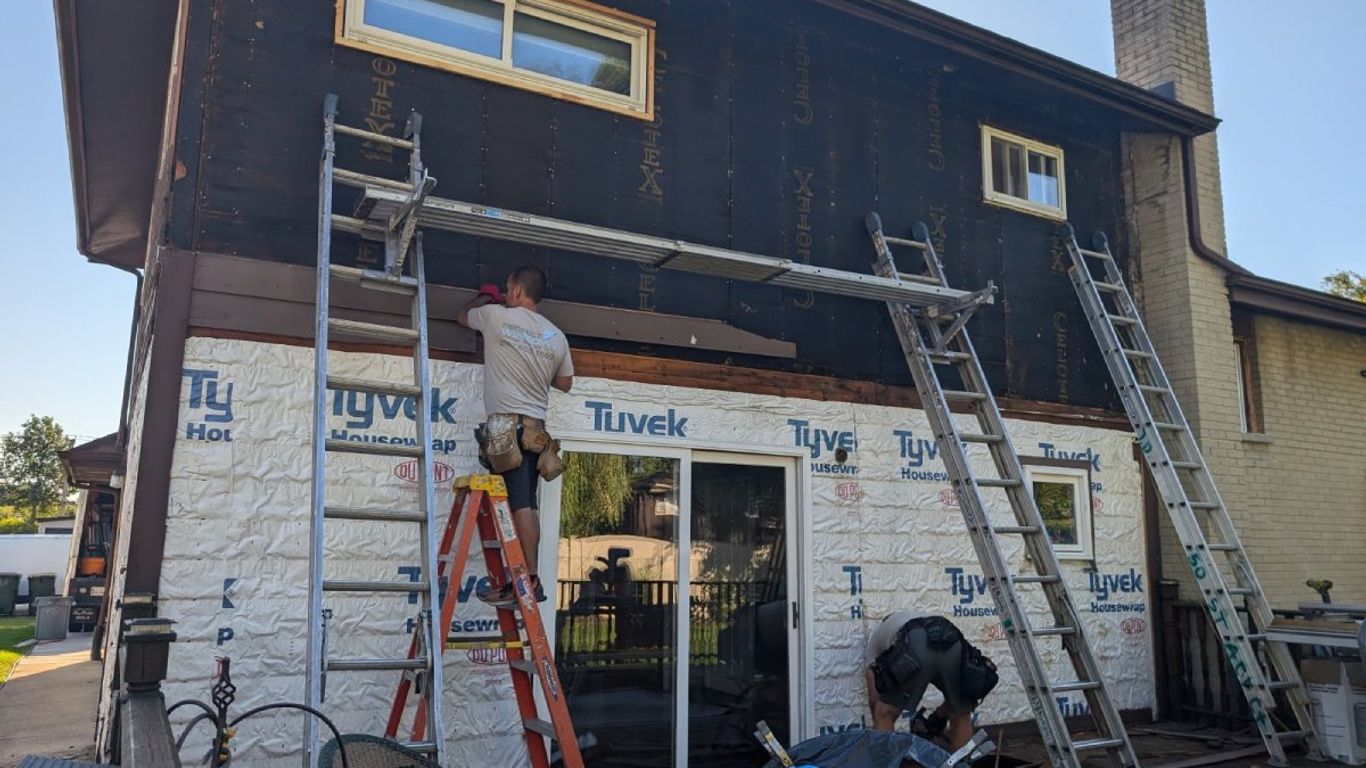
Thinking about new siding for your house? It’s a big job, and honestly, it can feel pretty overwhelming. You want it to look good, last a long time, and not break the bank. This guide is here to break down what you need to know about siding replacement, from figuring out if you even need it to picking the right stuff and finding someone to do the work. We’ll cover the basics so you can make a smart choice for your home.
Key Takeaways
- Look for signs like cracks, rot, or peeling paint to know when siding replacement is necessary.
- Understand the pros and cons of different siding materials like vinyl and fiber cement to choose what’s best for your home and budget.
- The siding replacement process involves preparation, installation, and finishing steps that impact the final outcome.
- Professional siding replacement offers benefits like better looks, improved energy efficiency, and increased home value.
- Choosing the right contractor is vital; ask about their license, insurance, and experience before starting your siding replacement project.
Understanding Your Siding Replacement Needs
Figuring out when and why to replace your home’s siding isn’t always clear-cut. Sometimes, it’s obvious—like cracked panels or missing pieces. Other times, it sneaks up quietly, showing in higher energy bills or a vague sense your house just doesn’t look, or feel, right anymore. Let’s go through the real signs, frustrations, and deciding moments that homeowners face when considering new siding.
Signs Your Siding Needs Replacement
If your siding is showing signs like rot, soft, spongy spots, or warping, you’re likely due for replacement. But there’s more to watch for. Here’s a quick checklist:
- Panels feel loose, rotten, or noticeably warped
- Cracks, holes, or fading that can’t be cleaned or painted over
- Evidence of pests getting into your walls (bugs, mice, etc.)
- Buckling, swelling, or obvious water staining after rain
- Peeling paint or wallpaper inside your home (yep, this can be a siding issue too)
And if you spot any of these, it’s a strong hint your home’s exterior is no longer doing its main job: protecting what’s inside. For a deeper walkthrough on the red flags, check out these detailed siding warning signs.
Common Siding Complaints and Concerns
Homeowners stress over siding for all kinds of reasons—some practical, some emotional:
- "It just looks tired." Fading, discoloration, and aging material drag down curb appeal.
- Cracking and warping, especially with vinyl, leave the house looking worn
- Long-term durability worries after a few harsh winters
- Hidden costs when replacing—like discovering rotten wood or mold underneath old panels
- Dread of dealing with unreliable contractors or paying for mistakes
Siding should shield your home, not make you worry about what kind of surprise repairs are lurking underneath after a storm or every few years.
When to Consider Siding Replacement
So, when do you actually pull the trigger? Here’s a quick table to help clarify if now’s the time, or if you can keep patching things for a little while longer:
| Situation | Replace Now | Can Wait |
|---|---|---|
| Major structural rot or insect damage | ✔ | |
| Multiple cracks, holes, missing panels | ✔ | |
| Faded but structurally sound | ✔ | |
| Rising energy bills and drafty rooms | ✔ | |
| Minor dents or paint scratches | ✔ | |
| Chronic leaks after heavy rain | ✔ |
If your list fills up with check marks on the left, it’s time to start planning. Still unsure or feeling stuck between repair and full replacement? Some folks work through a simple question framework like the one outlined for deciding on siding replacement.
In the end, siding isn’t just about looks—it’s about keeping your house dry, comfortable, efficient, and free from outside invaders. If you’ve found yourself constantly patching, painting, or worrying, it might be time to take the leap.
Choosing the Right Siding Materials
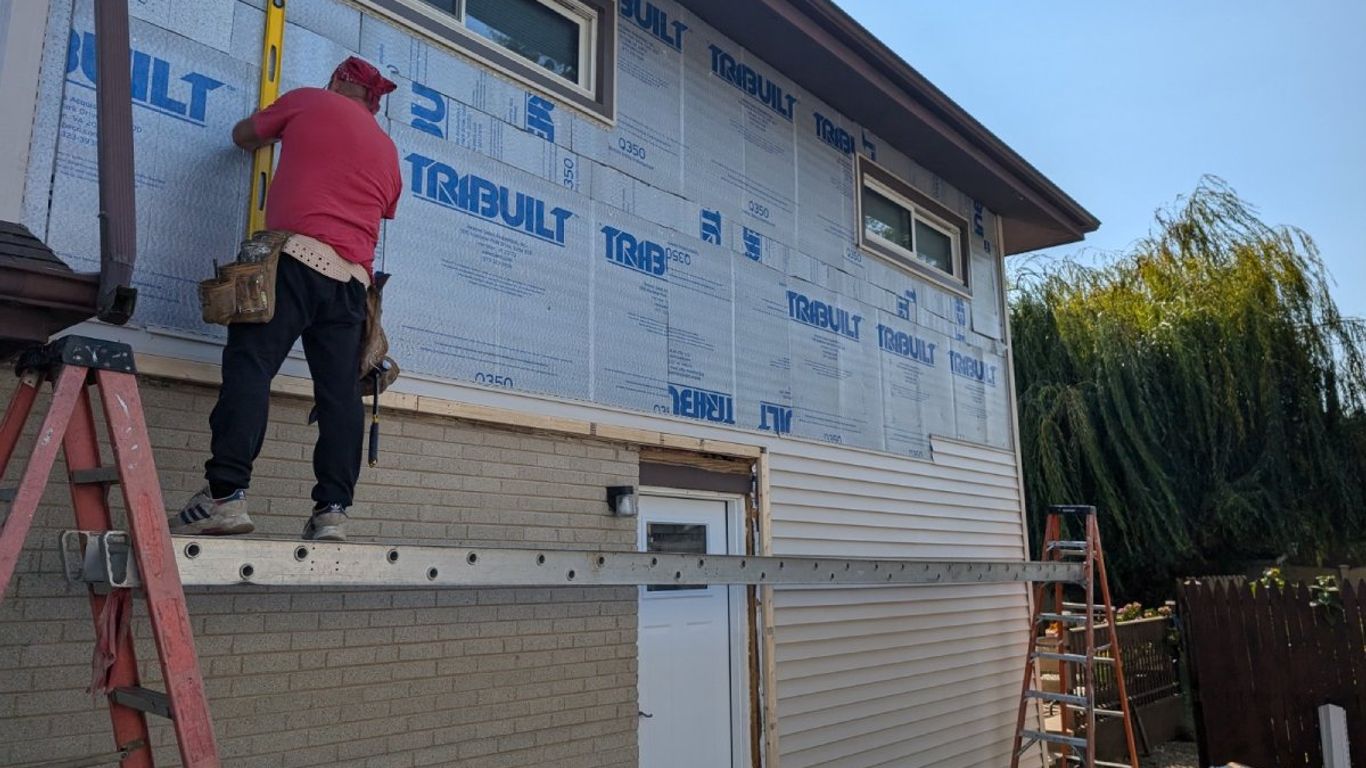
Picking out new siding can feel like a big decision, and honestly, it is. There are a bunch of options out there, and they all have their own pros and cons. It’s not just about how it looks, though that’s a big part of it. You also want something that’s going to last, hold up to whatever the weather throws at it, and not break the bank. Let’s break down some of the most popular choices so you can figure out what makes the most sense for your home.
Exploring Fiber Cement Siding Options
Fiber cement siding has really gained popularity over the last few years, and for good reason. It’s made from a mix of cement, sand, and cellulose fibers, which makes it super strong and durable. Think of it as a superhero material for your house exterior. It’s really good at resisting things like fire, pests (no termites munching on this stuff!), and moisture, so rot and mold aren’t usually a problem. Plus, it can be made to look like real wood, with different textures and styles like lap siding or shingles, so you can get that natural look without all the upkeep.
- Lap Siding: This is the classic horizontal plank style that overlaps. It’s versatile and works on a lot of different home styles.
- Shingle Profiles: These mimic the look of cedar shakes and are great for adding some texture, especially on gables or for Craftsman homes.
- Vertical Panels: Think board and batten – perfect for that modern farmhouse vibe or a more contemporary look.
James Hardie is a big name in this space, and they actually engineer their products for specific climates. For us here in the Chicago area, their HZ5 technology is designed to handle freezing temps and snow. It’s a solid choice if you want something that looks good and lasts a long time.
Fiber cement siding offers a great balance of aesthetics and performance, standing up well to common environmental challenges and requiring less maintenance than traditional wood siding.
Benefits of Vinyl and Insulated Vinyl Siding
Vinyl siding is probably the most common material you see on homes, and it’s popular for a reason. It’s generally the most budget-friendly option, which is a big plus for many homeowners. It’s also really low-maintenance – you can usually just hose it down to keep it clean. It comes in a ton of colors and styles, so you can really customize the look of your house. Now, insulated vinyl siding takes things a step further. It has a layer of rigid foam attached to the back of each panel. This adds extra insulation, which can help keep your home warmer in the winter and cooler in the summer, potentially saving you some money on energy bills. It also makes the panels a bit more rigid, so they tend to resist dents and dings better than regular vinyl.
- Affordability: Vinyl is often the most cost-effective siding option upfront.
- Low Maintenance: Easy to clean and doesn’t require painting.
- Variety: Available in a wide range of colors, styles, and finishes.
- Insulated Option: Provides added energy efficiency and improved impact resistance.
Understanding Material Durability and Longevity
When you’re picking out siding, you’re not just buying it for today; you’re investing in your home for years to come. Different materials have different lifespans and hold up differently in our local weather. For example, fiber cement is known for its dimensional stability, meaning it doesn’t expand and contract as much with temperature changes as vinyl does. This helps keep your paint job looking good for longer and prevents seams from opening up. Vinyl, while affordable, can sometimes become brittle in extreme cold or fade over time with constant sun exposure. Wood siding, of course, looks beautiful but requires the most upkeep, needing regular painting or staining to prevent rot and insect damage. Choosing a material that’s built to withstand the specific climate challenges of the Chicago area, like freeze-thaw cycles and strong winds, is key to getting the most value and longevity out of your investment.
The Siding Replacement Process
So, you’ve decided it’s time for new siding. That’s a big step! But what actually happens when you get new siding installed? It’s not just a matter of slapping some new panels on the house. There’s a whole process involved, and knowing what to expect can make things a lot smoother.
Preparing for Your Siding Replacement Project
Before the actual installation day arrives, there’s a bit of prep work that needs to happen. First off, you’ll have an initial chat with the company you’ve hired. This is where you finalize all the details – the type of siding, the color, any trim work, and the overall plan. After that, they’ll usually do a thorough inspection of your home’s exterior. This is super important because they need to check for any underlying issues, like rotten wood or moisture problems, that might be hiding under your old siding.
Addressing any existing damage before new siding goes up is key to a long-lasting result. It’s also a good time to clear the area around your house. Move any furniture, grills, or planters away from the walls so the crew has plenty of room to work. You might also want to cover up any delicate outdoor decorations or plants you can’t move.
What to Expect During Installation
Installation day can feel like a bit of a whirlwind. The old siding usually comes off first. This is often done in sections, and the crew will haul it away. Then, they’ll inspect the exposed wall sheathing. If they find any damage, they’ll fix it before putting up the new stuff. This is where those prep inspections really pay off – catching problems early saves a lot of headaches later.
Here’s a general rundown of the installation steps:
- Inspection and Repair: Checking the existing wall structure for any damage and making necessary repairs.
- House Wrap Application: Installing a protective layer (like a weather-resistant barrier) to keep moisture out.
- Siding Installation: Attaching the new siding panels, starting from the bottom and working your way up. This involves careful cutting and fitting around windows, doors, and corners.
- Trim and Accessories: Adding finishing touches like soffits, fascia, and trim around openings.
- Cleanup: A thorough cleanup of the work area.
It’s a pretty involved process, and depending on the size of your house and the type of siding, it can take anywhere from a few days to over a week.
Ensuring a Smooth and Efficient Process
Communication is everything here. Make sure you have a clear point of contact with the installation company. Don’t hesitate to ask questions if something seems unclear. A good contractor will be happy to explain what they’re doing and why.
A well-executed siding replacement isn’t just about looks; it’s about protecting your home’s structure and improving its overall performance. Paying attention to the details during the process, from the initial inspection to the final cleanup, makes a big difference in the end result.
Also, be prepared for some noise and activity. There will be workers, tools, and likely some dust. If you have pets or young children, you might want to make arrangements for them to be somewhere else for parts of the day, especially during the old siding removal. Finally, once the job is done, do a walk-around with the project manager. Check everything over to make sure you’re happy before the final payment. This is your chance to catch any little things that might have been missed. You can find more details about the installation steps on Perfect Windows & Siding’s website.
Benefits of Professional Siding Replacement
Okay, so you’re thinking about getting new siding. It’s a big job, and honestly, trying to tackle it yourself can turn into a real headache. That’s where bringing in the pros really shines. They’ve got the experience and the know-how to get it done right, which saves you a ton of potential trouble down the road.
Enhanced Exterior Aesthetics and Curb Appeal
Let’s face it, new siding can completely transform how your house looks. Professionals know how to pick the right materials and install them so they look sharp and uniform. They understand how different colors and textures work together, and they can make sure everything is installed perfectly straight, without any weird gaps or bumps. This makes your home look way more inviting and can really make it stand out in the neighborhood. It’s not just about slapping some panels on; it’s about creating a cohesive, attractive look that you’ll be proud of.
Improved Energy Efficiency and Comfort
This is a big one that people often overlook. When siding is installed correctly by experienced hands, it creates a much better seal around your home. This means fewer drafts sneaking in during the winter and less hot air escaping in the summer. Think about it: properly installed siding, along with good insulation and sealed windows, works together to keep your home at a more consistent temperature. This not only makes your home more comfortable to live in, day in and day out, but it can also lead to noticeable savings on your heating and cooling bills. It’s a win-win for your wallet and your comfort level.
Increased Home Value and Protection
Investing in professional siding replacement isn’t just about making your house look good right now; it’s a smart move for the long haul. New, well-installed siding acts as a strong barrier against the elements – rain, wind, snow, you name it. This protection is key to preventing more serious and costly damage to your home’s structure over time. Plus, when it comes time to sell, a fresh, modern exterior is a huge selling point. Buyers see it as a sign that the home has been well-maintained and that they won’t have to worry about immediate repairs. It’s a tangible way to boost your property’s market value and give potential buyers peace of mind. Hiring professionals also means the work is likely done to code and may come with warranties, adding another layer of security to your investment. You can often find local siding experts who are familiar with regional building codes and climate considerations.
Here’s a quick rundown of why going pro makes sense:
- Expert Installation: Professionals have the right tools and techniques to get the job done right the first time.
- Material Knowledge: They know which materials work best for your specific climate and home.
- Warranty Protection: Proper installation often keeps manufacturer warranties valid.
- Time Savings: They work efficiently, getting the job done much faster than a DIY attempt.
- Safety: Working at heights and with building materials can be dangerous; pros handle this safely.
When you hire professionals, you’re not just paying for labor; you’re investing in their knowledge, their tools, and their commitment to quality. This often prevents costly mistakes and ensures the siding performs as it should for years to come, protecting your home and your investment.
Selecting a Siding Replacement Contractor
Finding the right contractor to replace your home’s siding is a big deal. It’s not just about slapping up some new material; it’s about protecting your investment and making sure your house looks good for years to come. You want someone who knows their stuff, is reliable, and won’t leave you with a half-finished job or a mountain of unexpected bills. Think of it like picking a doctor – you want someone qualified and trustworthy.
Questions to Ask Potential Siding Contractors
Before you even think about signing anything, you need to have a good list of questions ready. This isn’t an interrogation, but it is your chance to get a feel for their professionalism and how they operate. Here are some key things to ask:
- What is your experience with the specific type of siding I’m interested in? Not all contractors are experts in every material. Make sure they’ve installed your chosen siding before.
- Can you provide references from recent projects? Ask for names and numbers of past clients, and actually call them. See what they say about the work and the experience.
- What is your warranty on labor and materials? Understand what’s covered and for how long. A good warranty shows they stand behind their work.
- Who will be supervising the job site? You want to know who’s in charge and who you can talk to if issues pop up.
- What is your payment schedule? A typical schedule might involve a deposit, progress payments, and a final payment upon completion. Be wary of contractors asking for the full amount upfront.
The Importance of Licensing and Insurance
This is non-negotiable. A contractor should be properly licensed and insured. Licensing shows they meet state and local requirements for operating a business. Insurance is even more critical. It protects you, your property, and the workers. If a worker gets injured on your property, their insurance should cover it, not yours. Ask for proof of both general liability insurance and workers’ compensation insurance. It’s a simple step that can save you a massive headache down the road.
Finding Local and Trustworthy Siding Experts
Look for contractors who have a solid presence in your community. Local companies often have a better understanding of regional building codes and climate challenges. Check online reviews, ask neighbors for recommendations, and see if they have an established business address. A contractor who is licensed and insured is a good starting point, but also look for those who communicate clearly and make you feel comfortable. Don’t be afraid to get multiple quotes; comparing them will help you spot any outliers in pricing or scope of work. Remember, the cheapest option isn’t always the best. You’re investing in quality and peace of mind.
Siding Replacement Costs and Value
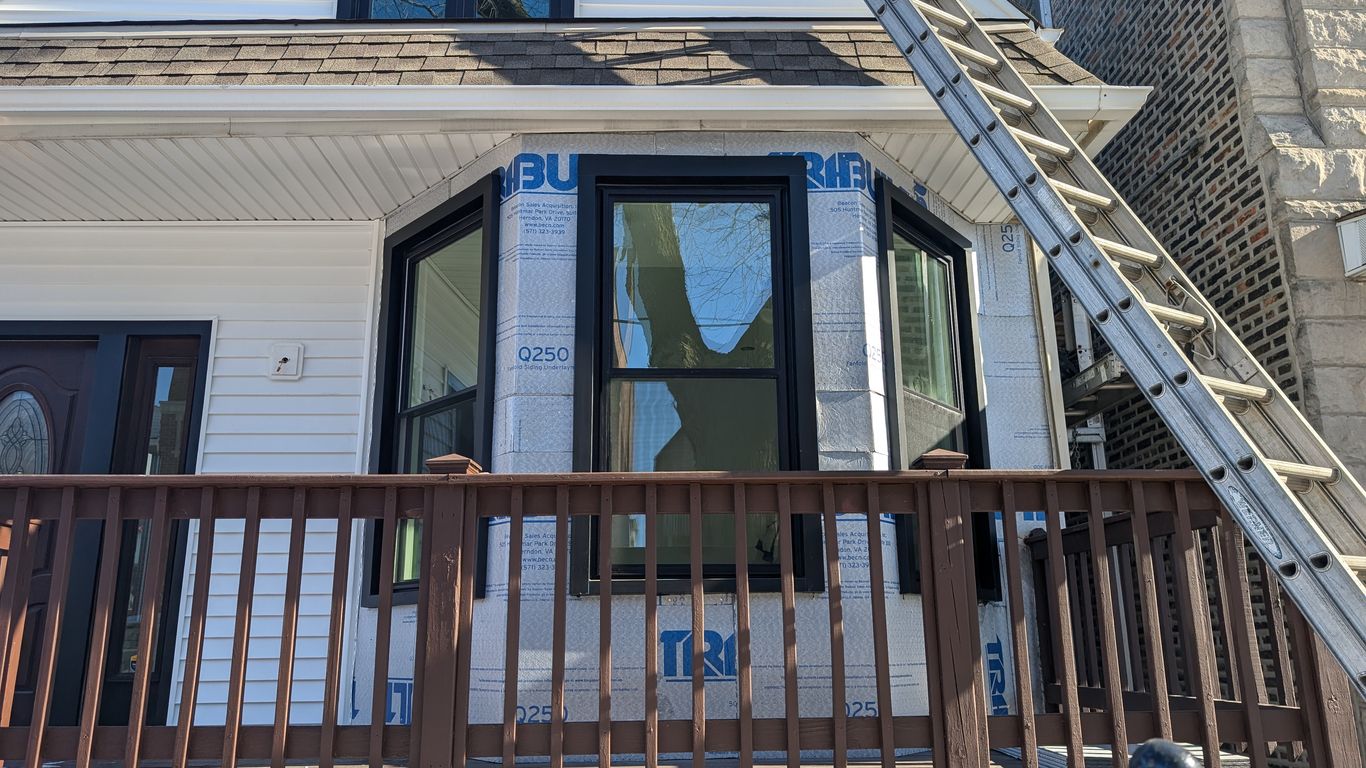
Replacing your siding is a big investment, and the price can swing pretty wildly depending on what you choose. Let’s break down what really goes into the cost—and why it isn’t just about the sticker price.
Factors Influencing Siding Replacement Costs
Several elements shape your final bill:
- Material Choice: Vinyl is usually the most budget-friendly. Fiber cement and James Hardie siding cost more but last longer.
- House Size: Bigger houses need more siding, so the job gets pricier.
- Labor: Skilled installation might cost more up front, but shoddy work will cost you later.
- Prep Work: If your old siding has hidden damage underneath, expect some surprises and extra repairs.
- Extras: Trims, insulation underlayment, finishing touches—all these impact your total price.
Here’s a quick comparison to give you an idea:
| Siding Type | Average Cost (mid-size home) | Life Expectancy | ROI Estimate |
|---|---|---|---|
| Vinyl | $10,000 – $15,000 (Eastern Shore example) | ~20 years | 65% |
| Insulated Vinyl | $12,000 – $18,000 | ~25 years | 68% |
| Fiber Cement | $17,500 – $28,000 (Pennsylvania data) | 30–40 years | 80–85% |
| James Hardie | $28,000+ | 30–40 years | 85% |
If you’re considering an upgrade, remember: quick decisions might save money now, but quality materials and workmanship will keep your home looking good (and dry) for much longer.
Understanding Material Sourcing and Quality
Not all siding is created equal. Here’s what affects both your cost and long-term value:
- Direct Manufacturer Sourcing: Professional contractors often get better materials—fresh stock, not leftovers from a warehouse.
- Warranties: High-quality siding from reputable sources carries longer, stronger warranties.
- Matching & Custom Details: Getting trims and colors right makes a difference. If your pro sources everything as a kit, it prevents mismatched finishes down the line.
- Bulk ordering and local manufacturers can lower costs.
- Guarantees on labor and materials save headaches.
- Expert advice ensures your siding is right for your climate and house style.
The Long-Term Investment of Siding Replacement
Siding should be thought of as a long-term home improvement, not just a quick fix for curb appeal:
- Energy savings: Newer siding (especially with added insulation) can lower your heating and cooling bills.
- Less maintenance: Modern materials mean fewer repairs and less painting.
- Higher resale value: Homes with newer siding fetch higher prices and attract buyers faster.
- Peace of mind: You won’t stress every time there’s a storm or the wind picks up.
A well-chosen siding upgrade puts money back in your pocket over time—fewer fixes, reduced energy bills, and better offers if you ever sell.
Bottom line: Paying more up front for quality siding and installation almost always pays off. Ask lots of questions, balance your budget with your long-term goals, and you’ll thank yourself every time you pull into the driveway.
Thinking about new siding for your home? It’s a big decision that can really change how your house looks and how much it’s worth. We can help you figure out the costs and what makes sense for your budget. Want to learn more about making your home look great and add value? Visit our website today!
Wrapping It Up
So, replacing your home’s siding might seem like a big job, and honestly, it can be. But by taking the time to figure out what you need, picking the right materials, and finding a contractor you trust, you can totally transform your home’s look and protection. It’s not just about making your house look good; it’s about making it more comfortable and maybe even saving a bit on energy bills. Don’t let the process overwhelm you – break it down step-by-step, and you’ll end up with an exterior you can be proud of for years to come.
Frequently Asked Questions
How do I know if my house’s siding needs to be replaced?
Look for signs like cracks, peeling paint, or areas that feel soft or warped. If you see mold or mildew growing, or if your energy bills are suddenly higher because of drafts, it’s probably time for new siding.
What are the most popular siding materials?
Vinyl siding is common because it’s affordable and easy to care for. Fiber cement siding is another great choice; it looks like real wood but lasts much longer and is resistant to fire and insects. Insulated vinyl siding offers extra protection against the weather.
How long does siding usually last?
The lifespan of siding depends on the material. Vinyl siding can last 20-40 years, while fiber cement siding can last 50 years or more with proper care. High-quality installation plays a big role in how long your siding will perform well.
What’s the difference between siding replacement and new siding installation?
Siding replacement means taking off old siding and putting on new siding. New siding installation is usually for a house that doesn’t have siding yet, like a new build or a house that previously had a different exterior material.
Why should I hire a professional for siding replacement instead of doing it myself?
Professionals have the right tools, knowledge, and experience to install siding correctly. This ensures it looks good, protects your home properly, and lasts as long as possible. They also handle safety precautions and know local building codes.
How much does siding replacement usually cost?
The cost can vary a lot depending on the size of your house, the type of material you choose, and the complexity of the job. Factors like the condition of the existing walls and the contractor’s fees also affect the final price. Getting a few quotes can help you understand the range.