

Why Replacing Your Home’s Windows Matters More Than You Think
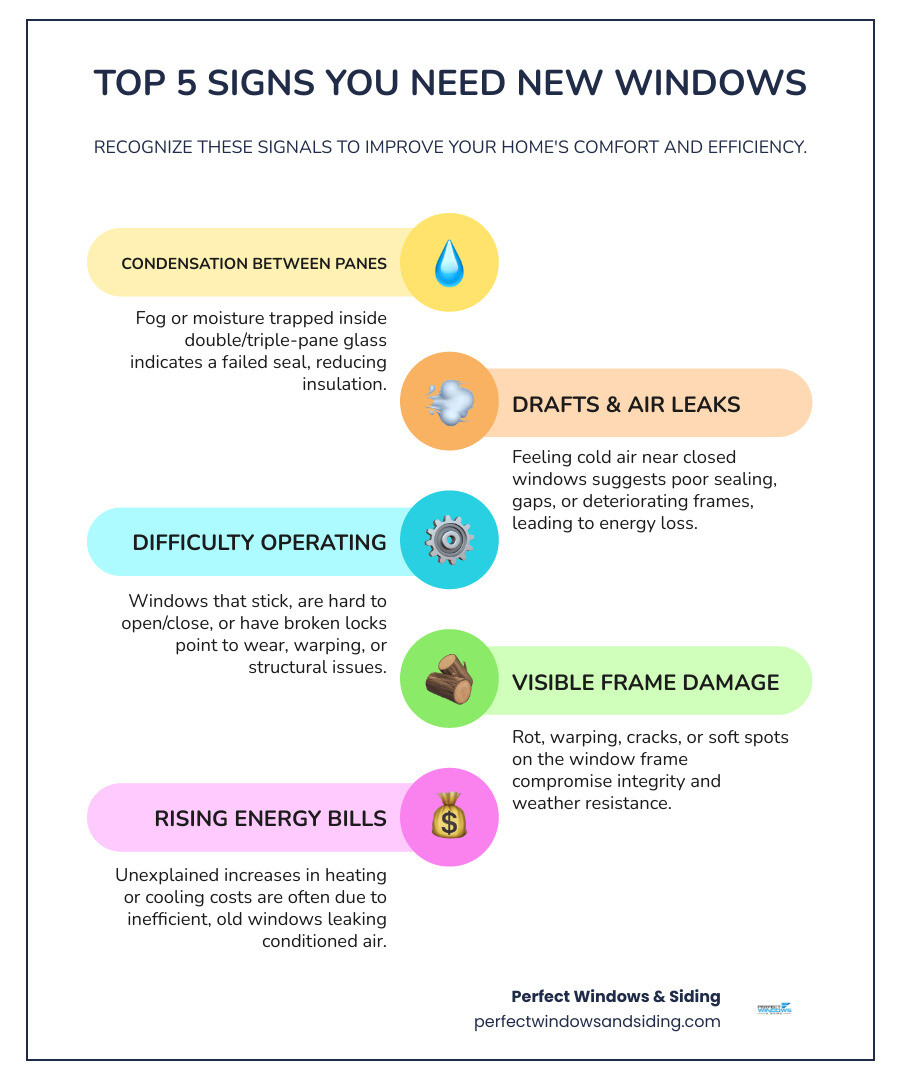
Are your windows drafty, difficult to open, or showing signs of wear like condensation between the panes? These are clear indicators that it might be time for a replacement. Upgrading your windows is more than just a cosmetic fix; it’s a significant investment in your home’s comfort, energy efficiency, and overall value. New, energy-efficient windows can save homeowners hundreds of dollars annually on energy bills and offer a substantial return on investment, with some projects recouping over 67% of their cost at resale.
The process of replacing a window involves removing the old unit, preparing the opening, installing the new window, and ensuring it’s perfectly sealed. While it may seem daunting, understanding the steps can empower you to make informed decisions, whether you’re tackling a single window or a whole-house project.
I’m Voytek Glab, owner of Perfect Windows & Siding. With over 20 years of experience helping Chicagoland homeowners, I’ve seen how a quality window installation can transform a home. This guide will walk you through everything you need to know, from planning and material selection to the installation process itself, so you can feel confident in your home improvement project.
Replace a window helpful reading:
First Steps: Planning Your Window Replacement Project
Before any work begins, careful planning is essential for a successful window replacement. Making informed decisions about materials, measurements, and installation type will ensure your new windows are beautiful, efficient, and long-lasting.

Understanding Key Window Terminology
- Sash: The part of the window that holds the glass and moves.
- Frame: The outer structure that holds the sash(es). It includes the head (top), jambs (sides), and sill (bottom).
- Glazing: The glass in the window. Double-pane and triple-pane options offer superior insulation.
- Low-E Coating: An invisible metallic layer on the glass that reflects heat, keeping your home warmer in winter and cooler in summer.
- Argon/Krypton Gas: Odorless, non-toxic gases used to fill the space between glass panes to improve insulation.
How to Measure and Prepare to Replace a Window
Accurate measurements are critical. While a professional installer will take final measurements, you can get a good estimate yourself.
Tools You’ll Need:
- Tape measure
- Pen and paper
Measuring for a Replacement Window:
- Measure Width: Measure the distance between the side jambs at the top, middle, and bottom of the window opening. Use the smallest of the three measurements.
- Measure Height: Measure from the head jamb to the sill at the left, center, and right. Again, use the smallest measurement.
- Check for Square: Measure the opening diagonally from corner to corner. If the two measurements are different, the frame is not square, which is important information for your installer.
Note: These are preliminary measurements. Our experts at Perfect Windows & Siding will always take final, precise measurements before ordering your custom windows.
Choosing the Right Window: Materials, Styles, and Glass
Balancing aesthetics, budget, and performance is key. Here’s a quick overview of your options:
Window Frame Materials
| Material | Cost (General) | Maintenance | Durability | Key Benefits – |
| Vinyl | Low | Low | Good | – Most affordable – Low maintenance – Good insulation – Window Styles: Common styles include double-hung (two sliding sashes), casement (hinged on the side), slider (slides horizontally), and picture (fixed, non-opening). The best style depends on your home’s architecture and your need for ventilation.
- Glass Options: Most modern windows are double-pane, which significantly improves insulation over old single-pane windows. For maximum efficiency, triple-pane glass with Low-E coatings and argon gas fill offers the best performance, especially in the harsh Chicago climate.
Retrofit vs. Full-Frame Replacement
This is a key decision that affects both cost and performance.
-
Retrofit (Insert) Replacement: A new window unit is installed within the existing window frame. This is a faster, more affordable option if your current frames are in good condition (no rot or damage). However, it can slightly reduce the visible glass area.
-
Full-Frame Replacement: The entire window, including the frame, is removed down to the rough opening. This is necessary if the existing frame is rotted, warped, or damaged. It allows for a complete weather seal and is the best choice for long-term performance and energy efficiency, especially in older homes.
While a retrofit can be tempting for its lower initial cost, a full-frame replacement is often the better long-term investment, ensuring no underlying issues are left behind. We can help you determine the best approach for your home.
The Step-by-Step Guide to Replace a Window
While we always recommend professional installation for the best results and to ensure your warranty is valid, understanding the process is helpful. This guide outlines the steps for a full-frame replacement, the most thorough method.
Step 1: Removing the Old Window and Preparing the Opening
The first step is to create a clean, sound opening for the new window.
- Preparation: The work area is cleared and protected. For homes built before 1978, we follow lead-safe practices.
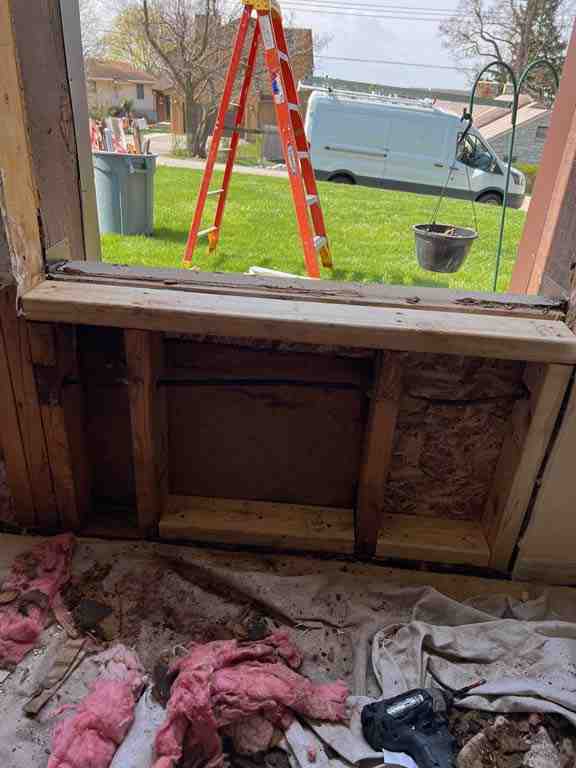
- Remove Trim and Old Window: The interior trim is carefully removed. Then, the old window sash and frame are taken out, exposing the rough opening in the wall.
- Inspect and Repair: The exposed rough opening is thoroughly inspected for any rot or water damage. Any damaged wood is repaired or replaced to ensure a solid foundation for the new window.
- Prepare the Opening: The opening is cleaned, and the sill is checked to ensure it’s level and sloped correctly for drainage. A waterproof membrane is applied to the sill and jambs to create a weather-resistant barrier, which is crucial for preventing future moisture problems.
Step 2: Installing and Securing the New Window
Precision is key to ensuring the new window fits perfectly and operates smoothly.
- Apply Sealant: A continuous bead of high-quality exterior-grade sealant is applied to the inside edge of the opening where the new window will sit. This creates the first line of defense against air and water.
- Set and Shim the Window: The new window is carefully placed into the opening. Shims are used to position it perfectly, ensuring it is level, plumb (vertically straight), and square. This step is critical for proper window operation.
- Fasten the Window: Once perfectly aligned, the window is secured to the house frame with screws, following the manufacturer’s specifications. Care is taken not to overtighten the screws, which could warp the frame.
Step 3: Insulating, Sealing, and Finishing
The final steps lock in energy efficiency and provide a clean, finished look.
- Insulate: The gap between the new window frame and the rough opening is filled with low-expansion spray foam. This insulates the space and creates an airtight seal without putting pressure on the frame.
- Seal: A continuous bead of exterior-grade caulk is applied around the outside of the window, sealing it against the elements.
- Finish: The interior and exterior trim is reinstalled. After a final cleanup, we test the window to ensure it opens, closes, and locks smoothly.
For a detailed guide on how to replace an awning window, including specific tools and methods, you can refer to this blog post.
The Payoff: Benefits of New Energy-Efficient Windows
Replacing your windows is a strategic investment that pays dividends in comfort, value, and efficiency. You’ll feel and see the difference immediately.
Calculating Your Return on Investment (ROI)
When you replace a window, you’re not just spending money; you’re investing it wisely.
- Energy Savings: New, energy-efficient windows with features like Low-E coatings and argon gas can save homeowners $125 to $350 annually on energy bills. These savings add up significantly over the life of the windows. You can learn more about your home’s energy use with a home energy audit.
- Increased Home Value: New windows are a major selling point. The 2024 Cost vs. Value report shows that a vinyl window replacement can recoup over 67.1% of its cost at resale, adding significant value to your home.
- Improved Comfort: Eliminate drafts and hot spots. Energy-efficient windows maintain consistent indoor temperatures, making your home more comfortable year-round.
- Noise Reduction: Multiple panes of glass and insulated frames significantly dampen outside noise, creating a quieter, more peaceful indoor environment.
- UV Protection: Low-E coatings block harmful UV rays, protecting your furniture, floors, and artwork from fading.
How to Save Money on Your Window Replacement
While quality is paramount, there are ways to manage the cost of your project.
- Replace Multiple Windows at Once: The per-window cost is typically 15-30% lower when you replace all windows at the same time due to bulk pricing and labor efficiency.
- Choose Cost-Effective Materials: Vinyl frames are the most budget-friendly option, offering great performance and low maintenance. Standard double-pane glass with Low-E coatings is often the most cost-effective choice for the Chicagoland climate.
- Take Advantage of Incentives: Look for federal tax credits and local rebates for installing ENERGY STAR® certified windows. The Inflation Reduction Act offers a tax credit of up to 30% of the cost (up to $600 for windows). Check the ENERGY STAR tax credit details and the Database of State Incentives (DSIRE) for current programs.
- Strategic Timing: Scheduling your project during the off-season (late fall or early spring) can sometimes result in more competitive pricing.
- Get Multiple Quotes: Always get detailed quotes from several reputable contractors to compare costs and ensure you’re getting the best value.
By being strategic, you can make your window replacement project both affordable and highly beneficial.
Frequently Asked Questions about Window Replacement
Here are answers to some of the most common questions we hear from Chicagoland homeowners about window replacement.
Is it cheaper to replace all windows at once?
Yes, it is almost always more cost-effective. While the upfront cost is higher, the price per window is typically 15-30% lower than replacing them one by one. This is due to bulk material discounts and more efficient use of labor, as our crew only has to set up and clean up once. A full replacement also ensures a consistent look and maximizes your home’s energy efficiency immediately.
How long does a typical window installation take?
The timeline depends on the project’s scope. A single, standard window replacement usually takes 1-2 hours. For a whole-house project, our experienced crews can often install 10 to 15 windows in a single day, meaning most homes are completed in 1-3 days. Factors like window type (e.g., bay windows take longer), project complexity (full-frame vs. retrofit), and any necessary repairs to the wall framing can affect the total time.
What are common mistakes to avoid when you replace a window?
A successful window replacement avoids these common pitfalls:
- Incorrect Measurements: Inaccurate measurements can lead to costly delays and poor-fitting windows. Professional measurement is key.
- Improper Leveling: A window that isn’t perfectly level and square won’t open, close, or lock correctly.
- Inadequate Sealing: Skipping or improperly applying flashing and caulk can lead to water leaks and drafts, defeating the purpose of new windows.
- Using High-Expansion Foam: This type of foam can expand too forcefully, warping the window frame and causing it to bind. Always use low-expansion foam designed for windows.
- Ignoring Rotted Wood: Any rot or damage in the window opening must be repaired before installing the new unit to ensure a secure, long-lasting fit.
By hiring experienced professionals, you can avoid these issues and ensure your new windows perform as they should for years to come.
Conclusion: A Clearer, More Comfortable Home Awaits
Replacing your home’s windows is a significant project, but it’s an investment that brings a wealth of benefits. From slashing energy bills and boosting home value to enhancing comfort and reducing noise, new windows can transform your living space.
The longevity and performance of your new windows depend on both the quality of the product and the precision of the installation. A perfectly manufactured window can only perform as well as it’s installed, which is why professional installation is so critical.
For homeowners in the Chicagoland area seeking a flawless installation with a lifetime warranty, the experts at Perfect Windows & Siding are here to help. With over 20 years of experience, we pride ourselves on custom solutions and personalized service.
Ready to enjoy a clearer view, a more comfortable home, and significant savings? Learn more about our window installation services. We’re here to make your window replacement project a success.