

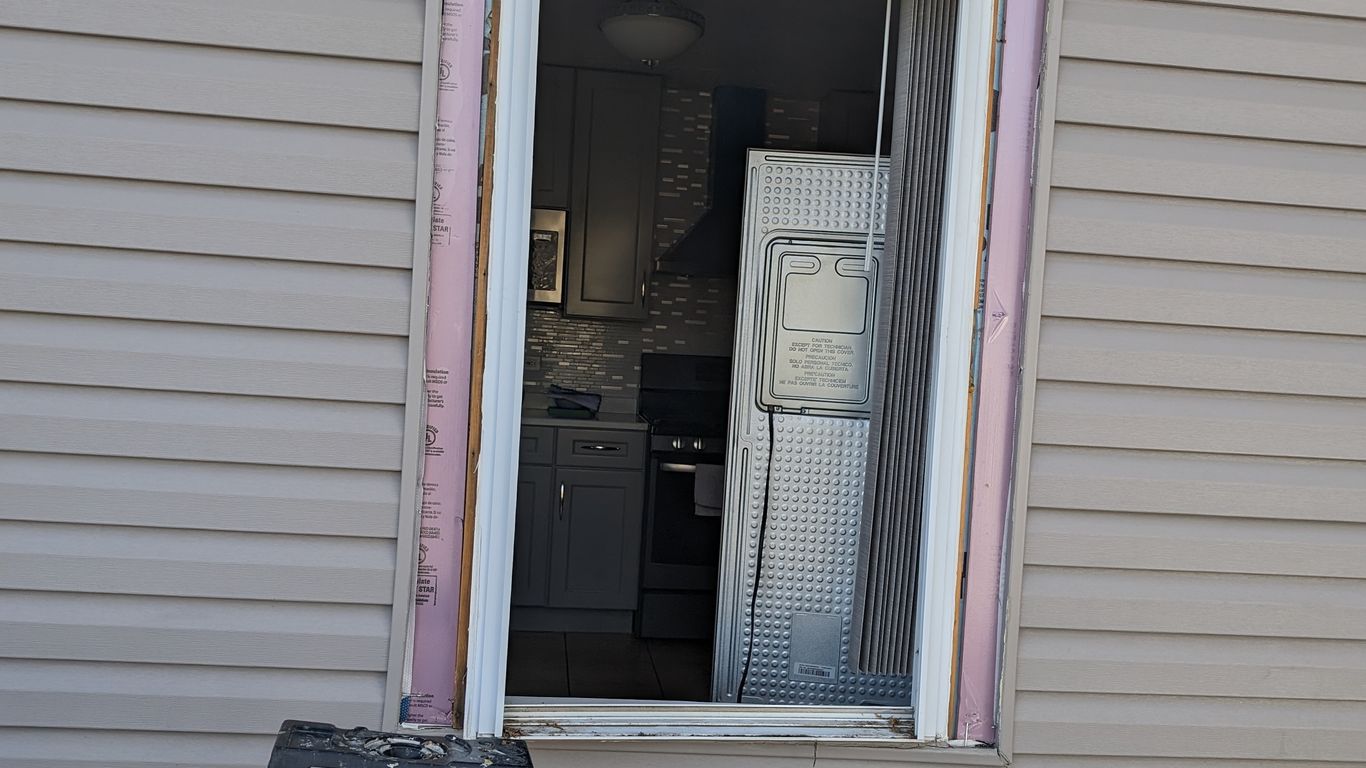
So, you’re thinking about getting new windows, huh? It’s a big job, and honestly, it can feel a bit overwhelming trying to figure out where to even start. You want something that looks good, works well, and doesn’t break the bank. We’re going to break down what you need to know when you’re looking for replacement windows near me, from spotting the signs your old ones are failing to picking the right materials and finding a good installer. Let’s get your home feeling and looking its best.
Key Takeaways
- Look for signs like drafts, condensation between panes, or difficulty opening/closing windows to know when replacement is needed.
- When searching for replacement windows near me, vet local contractors by checking their experience, references, and if they are properly licensed and insured.
- Getting multiple, detailed quotes is important for comparing prices and services, but remember the cheapest option isn’t always the best value.
- Professional installation offers benefits like improved energy efficiency, custom solutions tailored to your home, and long-term durability.
- Consider different frame materials (like vinyl or fiberglass) and glass packages based on your climate and budget to choose the best window style for your home.
Understanding Your Need For Replacement Windows Near Me
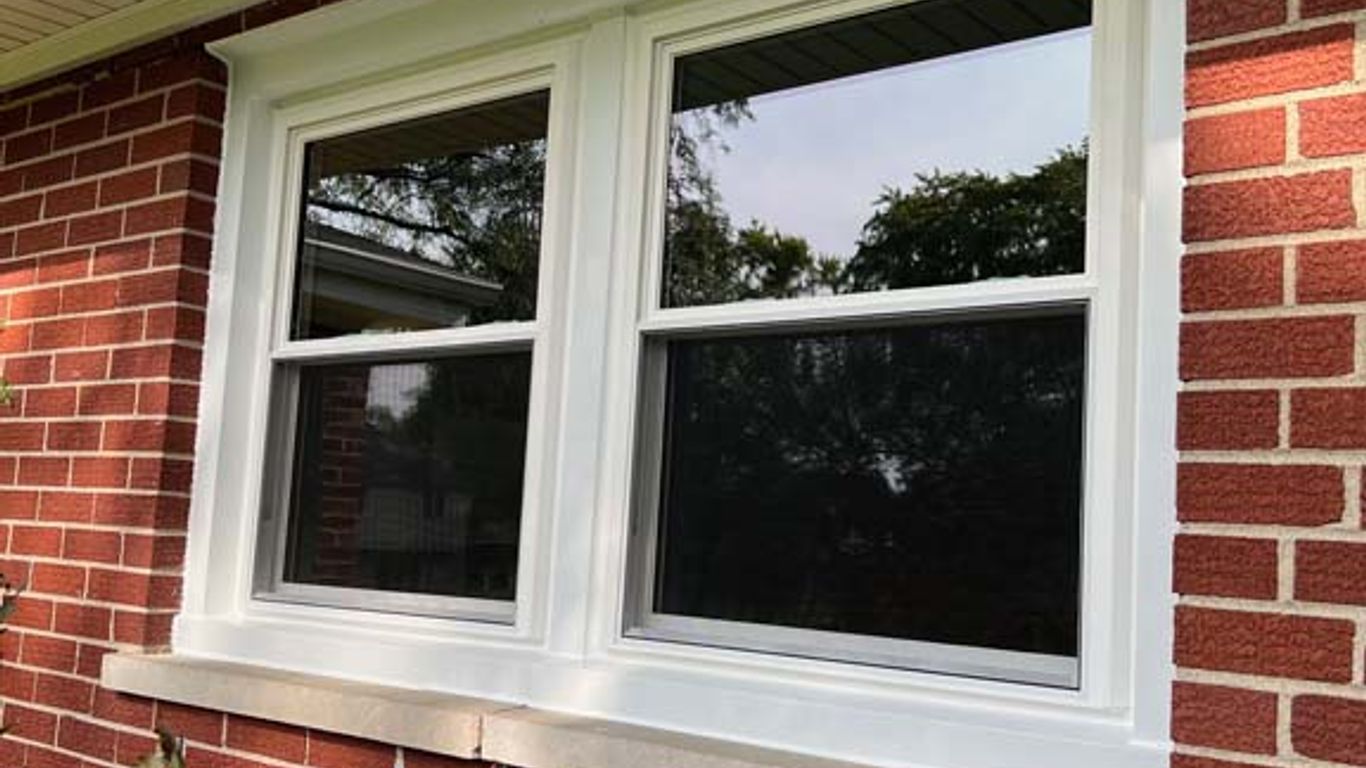
So, you’re thinking about new windows, huh? It’s a big decision, and honestly, it’s easy to put off. But sometimes, your house just tells you it’s time. You might notice some obvious signs, or maybe it’s more about a gut feeling that things could be better. Let’s break down what might be telling you it’s time to look for replacement windows.
Recognizing Signs of Window Wear and Tear
Your windows work hard, day in and day out, facing all sorts of weather. Over time, this takes a toll. The most common indicator that it’s time for a change is when your windows start to become difficult to operate. Think about windows that stick when you try to open or close them, or ones that just won’t lock properly anymore. This isn’t just annoying; it can point to bigger issues like warping frames or even shifts in your home’s foundation. You might also see condensation building up between the panes of glass. That’s a sure sign the seals have failed, and your window isn’t insulating like it should. Cracks or chips in the glass are another obvious problem, not only affecting how the window looks but also its ability to keep your home secure and draft-free. It’s like a leaky faucet; ignoring it usually makes the problem worse.
Here are some common signs to watch out for:
- Sticking or Difficulty Opening/Closing: Frames can warp due to moisture or age, making operation a chore.
- Drafts and Air Leaks: You can often feel cold air coming in, especially on windy days. This means your seals are compromised.
- Condensation Between Panes: This indicates a broken seal in double or triple-pane windows, reducing their insulating power.
- Visible Damage: Cracks, chips, rot in the frames, or peeling paint are all signs of wear.
- Increased Energy Bills: If your heating and cooling costs seem to be climbing without explanation, your windows might be the culprit.
Sometimes, the simplest test is to just stand near your windows on a cold day. If the glass feels noticeably cooler than the rest of the room, or if you can feel a draft, your windows are likely letting a lot of heat escape. This is a direct hit to your comfort and your wallet.
Considering Life Events and Home Improvements
Life happens, and sometimes that means your home needs to adapt. Maybe you’ve just bought your first house and inherited older windows, or perhaps you’re planning to sell and want to boost your home’s appeal. These are all great reasons to consider new windows. If you’re settling into your
Finding Quality Replacement Windows Near Me
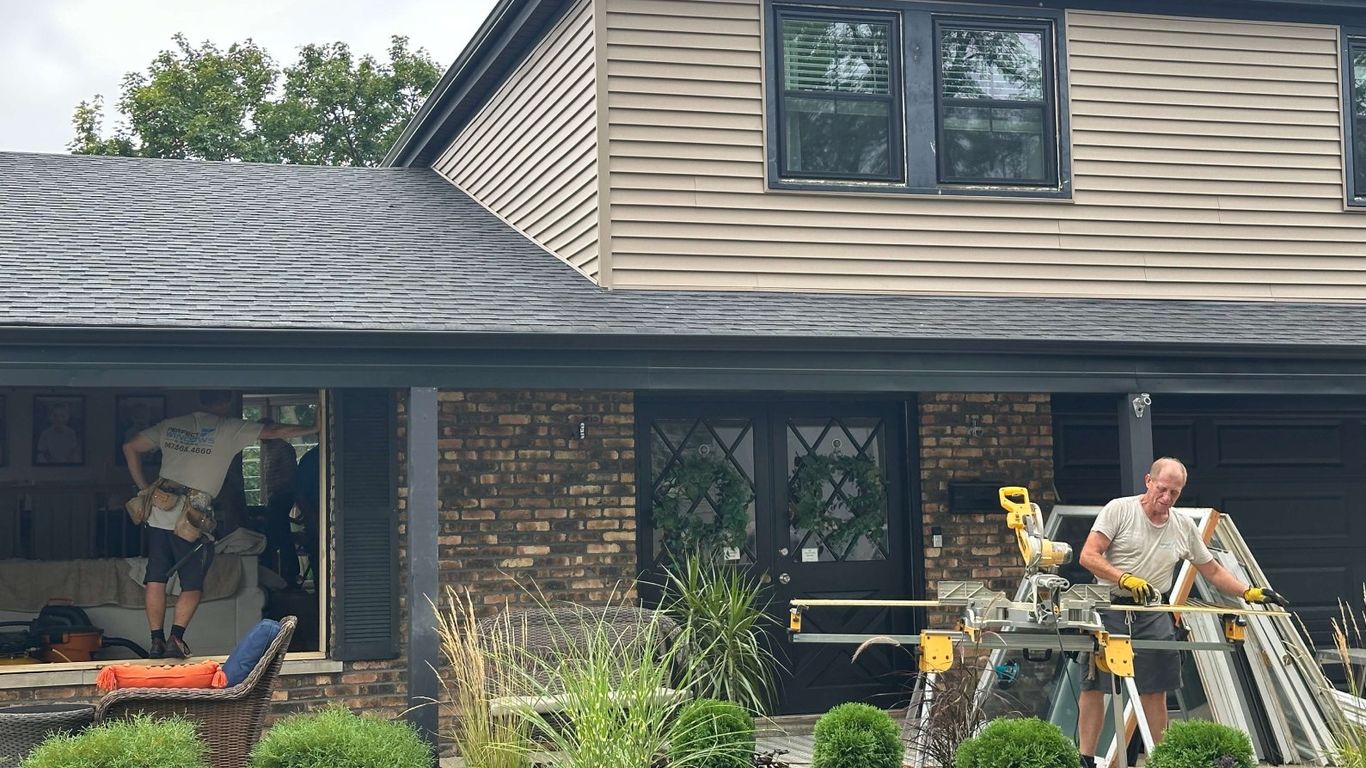
So, you’ve decided it’s time for new windows. That’s a big step, and honestly, it can feel a little overwhelming trying to figure out who to trust. You want someone local, someone who knows the area, and most importantly, someone who does good work. It’s not just about picking a pretty window; it’s about finding a contractor who will install it right, so you don’t have to deal with drafts or leaks down the road.
Identifying Local, Trustworthy Contractors
When you’re looking for window replacement services, sticking close to home often makes sense. Local companies usually have a better grasp of what works best in our specific climate and are more invested in their community’s reputation. Think about asking neighbors or friends for recommendations – word-of-mouth is still a pretty solid way to find good people. You can also check online reviews, but take them with a grain of salt. Look for companies that have been around for a while and seem to have a consistent track record of happy customers. Companies like Perfect Windows & Siding are a good example of local businesses focused on serving their community.
Evaluating Contractor Experience and References
Once you’ve got a few names, it’s time to dig a little deeper. Don’t be shy about asking for references. A reputable contractor should be happy to provide you with a list of recent projects they’ve completed, ideally in your area. It’s even better if you can actually go and see some of their work, maybe even talk to the homeowners themselves. Ask about their experience with the specific type of windows you’re interested in and how long they’ve been in business. A contractor who can clearly explain their process and answer your questions confidently is usually a good sign.
Understanding Licensing and Insurance Requirements
This is a big one, and it’s non-negotiable. Before you sign anything, make sure the contractor you’re considering is properly licensed and insured. This protects you in a few ways. Licensing means they’ve met certain state or local requirements to operate. Insurance is even more critical – it covers any accidents or damage that might happen during the installation process. You don’t want to be on the hook if something goes wrong. Always ask for proof of both their license and insurance, and verify it if you can. It might seem like a hassle, but it’s a vital step in making sure you’re working with a professional who takes their responsibilities seriously.
Finding the right contractor is about more than just the lowest price. It’s about finding someone you can trust to do the job right, stand behind their work, and treat your home with respect. Taking the time to vet potential installers will save you headaches and money in the long run.
Here’s a quick checklist to help you evaluate potential contractors:
- Ask for at least three recent references.
- Verify their license and insurance.
- Check online reviews and testimonials.
- Inquire about their experience with your specific window type.
- Ensure they provide detailed, written estimates.
The Window Replacement Estimate Process
Getting a window replacement estimate might seem like a simple step, but it’s actually pretty important. It’s where you start to get a real picture of what this project will cost and what you’re actually getting for your money. Think of it as the blueprint for your budget and expectations.
What to Expect in a Window Replacement Estimate
A good estimate should be more than just a number. It should break down all the costs involved so you know exactly where your money is going. This usually includes the cost of the windows themselves, all the materials needed for installation, and the labor involved. Don’t forget to ask if disposal fees for your old windows are included. Sometimes, permits are also a factor, especially if you’re making structural changes.
Here’s a general idea of what different projects might cost:
| Project Size | Estimated Cost Range |
|---|---|
| Single window | $430 – $1,450 |
| 10 windows (full house) | $8,000 – $11,000 |
| 20 windows (2,000 sq ft home) | $17,000 – $25,000 |
A detailed quote helps avoid surprises. The difference between a rough guess and an accurate estimate can easily be thousands of dollars.
Key Factors Influencing Your Window Estimate
Several things can make your estimate go up or down. The type of window you choose is a big one – think double-hung versus a fancy bay window. The material of the frame, like vinyl, wood, or fiberglass, also plays a role in both the initial cost and long-term maintenance. Then there’s the glass package; basic double-pane is standard, but triple-pane with special coatings will cost more, though it can save you money on energy bills later. The way the window is installed also matters. A simple "insert" replacement is usually less expensive than a full-frame replacement, which involves removing the old frame down to the studs. If the installer finds rot or damage when they open up the wall, that’s an extra cost that needs to be addressed before the new window can go in.
- Frame Material: Vinyl, wood, fiberglass, composite – each has a different price point and durability.
- Window Style: Double-hung, casement, picture, bay, bow, etc.
- Glass Package: Single, double, or triple-pane; Low-E coatings; gas fills (like Argon).
- Installation Method: Retrofit (insert) vs. full-frame replacement.
- Home Condition: Any necessary structural repairs like fixing rotted wood.
Comparing Multiple Quotes for Best Value
It’s almost always a good idea to get at least three different quotes from different companies. This isn’t just about finding the cheapest price, though. You want to compare what each company is including in their estimate. Are they using the same quality materials? Is the labor time similar? Does one quote seem significantly lower or higher than the others, and can they explain why? Look for detailed breakdowns and ask questions. A company that provides a clear, itemized quote and is happy to walk you through it is usually a good sign. Remember, the cheapest option isn’t always the best value in the long run. You’re looking for a balance of quality, service, and price. Getting multiple quotes helps you compare prices and services to ensure you’re making the best decision for your home.
Benefits of Professional Window Installation
So, you’ve decided it’s time for new windows. That’s a big step! While the idea of saving some cash by doing it yourself might cross your mind, there are some really good reasons why hiring pros is usually the way to go. It’s not just about getting the windows in; it’s about making sure they work right and last a long time.
Enhancing Energy Efficiency and Home Comfort
This is a big one. Properly installed windows are key to keeping your home comfortable year-round. When windows aren’t sealed right, you get drafts. You know, that chilly air sneaking in during winter or the warm air escaping when you’re trying to cool down? That means your heating and cooling systems have to work overtime, which isn’t great for your energy bills or the planet. Professionals know how to get that perfect seal, making a noticeable difference in how your home feels and how much you spend on utilities. Think of it like this:
- Eliminating Drafts: A tight seal stops air leaks.
- Better Insulation: New windows, installed correctly, add a solid layer of insulation.
- Consistent Temperature: Your home stays warmer in winter and cooler in summer without constant adjustments.
Getting the installation right is just as important as picking the right window. A poorly installed window, no matter how fancy, will still let the weather in and your conditioned air out.
Achieving Custom Solutions for Your Home
Every house is a little different, right? You might have an older home with odd-sized openings, or maybe you’re looking for a very specific style to match your home’s look. Professional installers have the experience to figure out the best way to fit new windows into your existing space. They can handle custom sizes and shapes, making sure everything looks good and works perfectly. They aren’t just slapping windows in; they’re fitting them to your home’s unique needs. This means you get windows that don’t just function well but also add to your home’s overall appearance. For homeowners looking to boost their home’s curb appeal and value, finding trusted local window installation services is a smart move.
Ensuring Quality Assurance and Durability
When you pay for new windows, you want them to last. Professional installers stand behind their work. They have the tools and the know-how to fit windows precisely, which is super important for their long-term performance. This attention to detail means your windows will be more durable and less likely to cause problems down the road. Plus, many reputable companies offer warranties on their installation work, giving you peace of mind. It’s about getting a solid, reliable job done right the first time, so you don’t have to worry about repairs or replacements anytime soon.
Choosing the Right Window Materials and Styles
So, you’ve decided it’s time for new windows. That’s a big step! But before you get too far, you’ve got to figure out what kind of windows you actually want. It’s not just about picking a color; the materials and styles you choose make a huge difference in how your home looks, how comfortable it stays, and even how much you spend on energy bills.
Exploring Different Frame Material Options
The frame is like the window’s skeleton, and it’s got a big job. It holds the glass, seals out the weather, and really impacts the overall look. You’ve got a few main players here, and each has its own pros and cons.
- Vinyl: This is probably the most common choice these days, and for good reason. Vinyl windows are pretty budget-friendly, they don’t need much upkeep – no painting required! – and they’re surprisingly good at keeping your home insulated. They’re a solid, no-fuss option for most homes. You can find vinyl window supply that offers a good balance of performance and value.
- Wood: If you’re going for a classic, warm look, wood frames are hard to beat. They look fantastic, especially on older homes. The downside? They need more attention. You’ll have to paint or stain them regularly to keep them from rotting or warping, especially in our sometimes-harsh weather. They can also be more expensive upfront.
- Fiberglass: Think of fiberglass as a high-performance option. These frames are super strong, they don’t expand or contract much with temperature changes (which is great for keeping drafts out), and they’re really energy-efficient. They tend to be on the pricier side, but many people find the long-term benefits worth it.
- Aluminum: You might see aluminum frames, especially on more modern homes. They’re strong and sleek, but they can be less insulating than other materials, so you might end up paying more in energy costs if you’re not careful.
Understanding Various Window Styles and Their Costs
Once you’ve thought about materials, let’s talk about how the window actually works and looks. The style you pick isn’t just about looks; it affects how you use the window and, yep, the price tag.
Here’s a quick rundown of some popular styles:
- Double-Hung: These are the classic windows you see everywhere. Both the top and bottom sashes slide up and down, making them easy to clean and ventilate. They’re super versatile and usually a safe bet cost-wise.
- Casement: These crank open outwards, kind of like a door. They often have a really good seal when closed, which is great for energy efficiency. Because of the crank mechanism, they can sometimes cost a bit more than double-hung windows.
- Picture Windows: These don’t open at all. They’re basically big panes of glass designed to give you a great view and let in a lot of light. Since there are no moving parts, they can be more affordable than operable windows, but they don’t help with ventilation.
- Bay and Bow Windows: These are the ones that stick out from your house, creating a little nook inside. Bay windows have angled panes, while bow windows have a more curved appearance. They add a lot of architectural interest and light, but they’re definitely a bigger investment.
The style of window you choose can really change the feel of a room. A big picture window can make a small space feel larger, while a bay window can add a cozy seating area. Think about how you want to use the space before you pick the style.
Selecting the Best Glass Packages for Your Climate
Don’t forget the glass itself! This is where a lot of your window’s performance comes from, especially when it comes to keeping your home comfortable and saving money on energy.
- Double-Pane: This is pretty standard now. It means there are two panes of glass with a space in between, usually filled with air or an inert gas like argon. This layer helps insulate your home.
- Triple-Pane: For even better insulation, especially if you live somewhere with really hot summers or cold winters, triple-pane windows have three panes of glass with two insulating gaps. They’re more expensive but can lead to significant energy savings.
- Low-E Coatings: This is a thin, transparent coating applied to the glass. It reflects heat, keeping it out in the summer and in during the winter. It’s a really smart addition for any climate.
Choosing the right combination of frame material, window style, and glass package is key to getting windows that look great, perform well, and fit your budget. It’s worth taking the time to explore your options to find the perfect fit for your home. You can find reputable replacement companies that can help guide you through these choices.
Installation Types and Local Considerations
When you’re looking to get new windows, there are a couple of main ways they get put into your house. It’s not just a one-size-fits-all deal, and knowing the difference can save you headaches later on. Plus, where you live matters a lot, too, with local rules and weather playing a big part.
Insert vs. Full-Frame Replacement Explained
There are two primary methods for installing replacement windows: insert (or pocket) replacement and full-frame replacement. Insert replacement is like sliding a new window into the old frame. We usually go with this if your existing frames are still in pretty good shape – solid, level, and no rot. It’s quicker and usually costs less because we don’t have to mess with your interior or exterior trim as much. The downside is you might lose a tiny bit of your glass space since the new window sits inside the old one. It’s a good option for a straightforward swap.
Full-frame replacement, on the other hand, is a bit more involved. This means we take out everything – the old window, the frame, the trim – right down to the bare opening in your wall. This is the way to go if your old frames are damaged, rotten, or if you want to change the size or shape of the window opening. It’s more labor-intensive and costs more, but it lets us check for any hidden water damage, add new insulation, and make sure everything is structurally sound. It’s the most thorough approach, especially for older homes.
Addressing Structural Repairs During Installation
Sometimes, when we pull out an old window, we find things we weren’t expecting. It’s not uncommon, especially in older houses, to discover water damage, rot, or even sagging structural elements like headers or studs. These issues need to be fixed before the new window can go in. Ignoring them can lead to bigger problems down the road, like drafts, leaks, or even structural instability. A good contractor will always inspect the opening thoroughly and include any necessary structural repairs in the estimate. It might add to the cost and time, but it’s a critical step for a lasting, quality installation.
Navigating Local Building Codes and Permits
Every town and city has its own set of rules, and window replacement is no exception. Local building codes are there to make sure installations are safe and up to par. For example, in some areas, if you’re just replacing a window with one of the exact same size and type (an "in-kind" replacement), you might not need a permit. But if you’re changing the size of the opening, adding a new window, or making structural changes, you’ll likely need to get a permit and have the work inspected. Historic districts often have even stricter rules about materials to keep the neighborhood’s look consistent. It’s important to work with a contractor who knows these local codes inside and out. They can handle the permit process and make sure everything is done correctly, so you don’t have to worry about inspections or future issues. This local knowledge is super important for a smooth project. Local installers understand regional climate challenges and home styles, offering better service and quicker response times.
When we put in new windows or siding, we always think about your specific neighborhood. Different areas have different rules and styles, and we make sure everything fits perfectly. We know what works best for your home and your town. Want to learn more about how we handle these local details? Visit our website today!
Wrapping Up Your Window Search
So, you’ve learned a lot about finding new windows. It’s not just about picking something that looks nice; it’s about making sure they’ll keep your house comfortable, save you some money on energy bills, and last for years. Remember to check out local companies, ask plenty of questions about their experience and warranties, and don’t be afraid to get a few different quotes. Taking the time to do this right means you’ll end up with windows you’re happy with, and that’s a win for your home.
Frequently Asked Questions
How do I know if I need new windows?
Look for signs like drafts coming from your windows, condensation between the glass panes, or difficulty opening and closing them. If your energy bills are unusually high, especially during extreme weather, your windows might be letting heat or cool air escape. Visible damage like cracks or warped frames is also a clear indicator.
What are the main types of window materials?
The most common materials for window frames are vinyl, wood, fiberglass, and composite. Vinyl is popular because it’s affordable and low-maintenance. Wood offers a classic look but requires more upkeep. Fiberglass is strong and energy-efficient, while composite materials blend durability with good looks.
What’s the difference between insert and full-frame window replacement?
Insert replacement, also called pocket replacement, involves fitting a new window unit into your existing frame. It’s usually quicker and preserves your interior trim. Full-frame replacement means removing the entire old window, including the frame, down to the wall’s opening. This is often done if the old frame is damaged or if you want to change the window’s size or style.
How much does window installation typically cost?
The cost can vary a lot, but generally, you might expect to pay between $300 and $1,500 per window, which includes the window itself and the labor. Factors like the window’s size, material, style, and how complex the installation is will affect the final price. Replacing multiple windows at once can sometimes be more cost-effective.
Why is professional installation important?
Professional installers have the skills and experience to ensure your windows are fitted correctly, which is key for energy efficiency, preventing drafts, and making sure they operate smoothly. They also understand local building codes and can handle any unexpected issues that might arise during the process, ensuring the job is done right and your warranty stays valid.
What should I look for when choosing a window contractor?
Look for local contractors who are licensed and insured. Check their experience, read customer reviews, and ask for references from recent jobs. It’s also wise to get detailed quotes from multiple companies to compare prices and services, ensuring you choose a trustworthy professional who offers good value.